Thatcher, Sunak and the politics of the supermarket
The story of British politics told through the aisles
 Add BT as a preferred source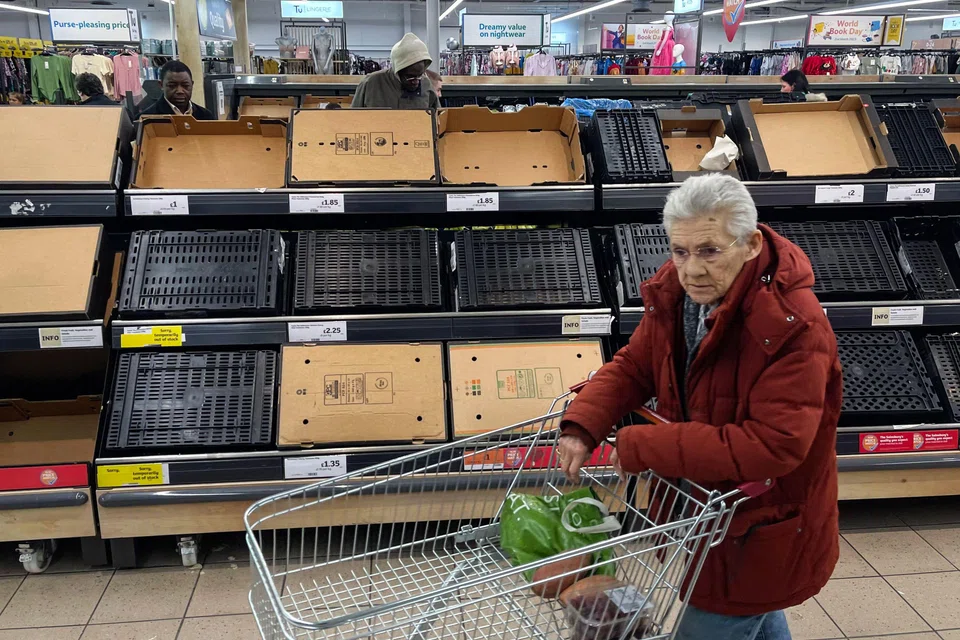
THERE is no museum to Margaret Thatcher. There is no need for one, given the Sainsbury’s supermarket on the high street in Finchley, her former constituency. She opened it on Mar 16, 1987, inspecting the sausages, zapping cans at the till and delivering a sermon to its employees: “The market economy isn’t some theory – it is, in fact, men and women being able to spend their own earnings in the place of their choice, in shops like these.”
The supermarket is the best way to understand Thatcher and her creed. Her father had been a greengrocer. As a young Conservative candidate, she preached fiscal discipline through the analogy of a housewife managing the shopping budget.
When she was drawing up an agenda for privatisation as leader of the opposition, she would often compare the cut-throat competition between Tesco and Sainsbury’s with sluggish state-owned industries. In the Cold War, the supermarket meant freedom itself: to know the difference between our systems, she would say, compare the sparse stores of Moscow with the abundance of an Asda.