There may be a case for another gold rally
In a world of fiat money, there is always a good reason to buy some of the precious metal
SINCE gold’s peak in late January at about US$5,500 per ounce, the price of the metal has been steadily drifting down. It went for about US$4,050 on Tuesday (Aug 4). The bears have a grip on the market for the time being, you would think.
Yet analysts at JPMorgan Global Research remain bullish and forecast gold prices to average US$6,000 per ounce by the final quarter of 2026. More on that later.
First, the bears’ case. Gold pays no interest, so the opportunity cost of holding the metal rises when bond yields start climbing. The 10-year US Treasury yield was 4.7 per cent on Tuesday, while the 30-year touched a 19-year high of 5.24 per cent last week.
Rising bond yields also tend to strengthen the US dollar against other currencies. And gold is almost always priced in US dollars in global markets, so when the greenback rallies, gold becomes more expensive for the rest of the world.
Then there is profit-taking. Speculators piled in as the gold price rose to record levels. A price correction of 10 to 20 per cent is the norm, and unless the price retreats to, say, pre-Covid levels, the market mechanism is functioning as expected.
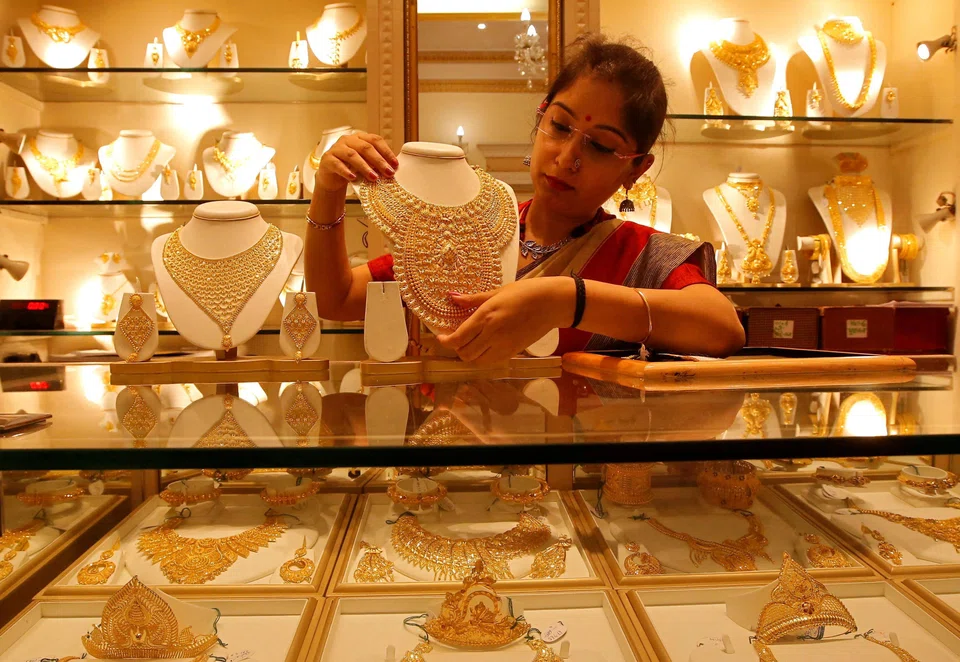
High bullion prices have also cut demand for gold jewellery throughout the Middle East and in India. Most significantly, central banks were widely reported to have sold 129 tonnes of gold in the first quarter of this year, with Turkey at the forefront, selling 60 tonnes. All that affected market sentiment.
Gold still in demand
That said, the bulls may have a stronger case. Markets perceive long-term risks over the sustainability of US public debts. Then there are concerns around the unpredictability of US policy and the war in Iran.
While the reports of big gold sales garner headlines, some purchasing by central banks goes unreported, simply because no entity has the authority to force any central bank to disclose anything about their gold dealings.
Using trade data, the World Gold Council has reportedly estimated that central banks purchased 289 tonnes of gold in the second quarter of 2026, up 62 per cent year on year.
For a long time, everyone seemed persuaded that using debt instruments for trade was rational. Then the 2007 to 2008 financial crisis happened.
Since then, China, once the largest holder of US Treasuries, has been wary of being stuck in a US dollar trap: holding large greenback reserves, which may be subject to debasement, for trade.
Consequently, Beijing has been buying gold in pursuit of a project to replace the US dollar in its trade settlements. That may also be the reason why China’s top 10 insurance companies recently received regulatory approval to allocate up to 1 per cent of their assets under management to physical gold.
At this point, it is worth recalling the observation of British academic Helen Thompson who noted: “This post-Bretton Woods world in which no currency (is) convertible into a metal – the world of fiat money – is an unprecedented monetary phenomenon in human history.”
Add to that the reality that owning physical gold as a store of value is deeply rooted in many cultures, especially in Asia. You have all the elements that are needed to spark off another gold price surge.