Tight quarters, ticking clock: Local animal shelters face expiring tenancies – again
Potential relocations, stringent land-zoning laws and competition for space put animal shelters in a state of limbo
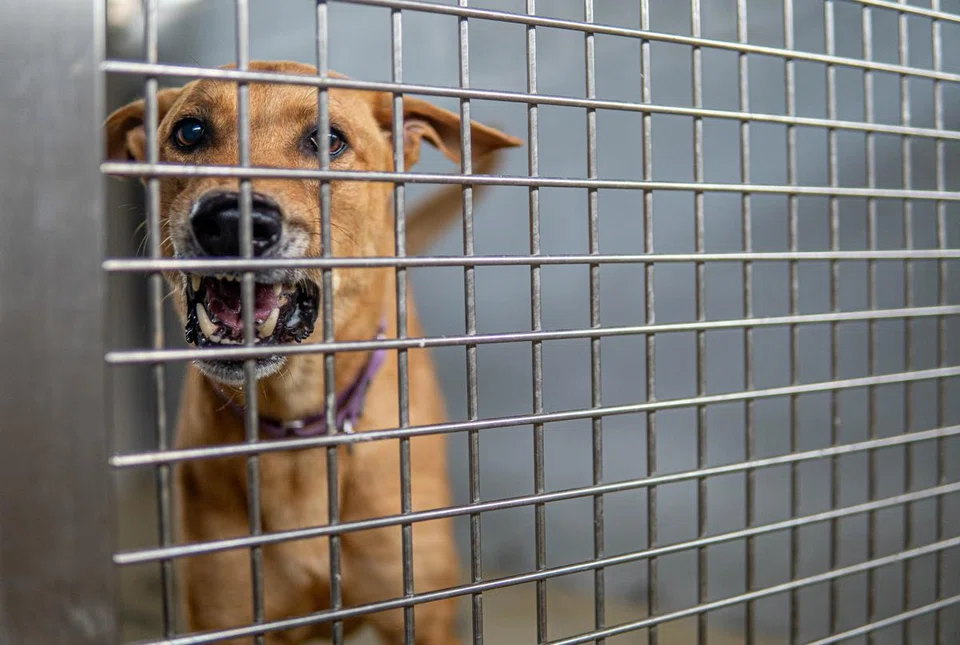
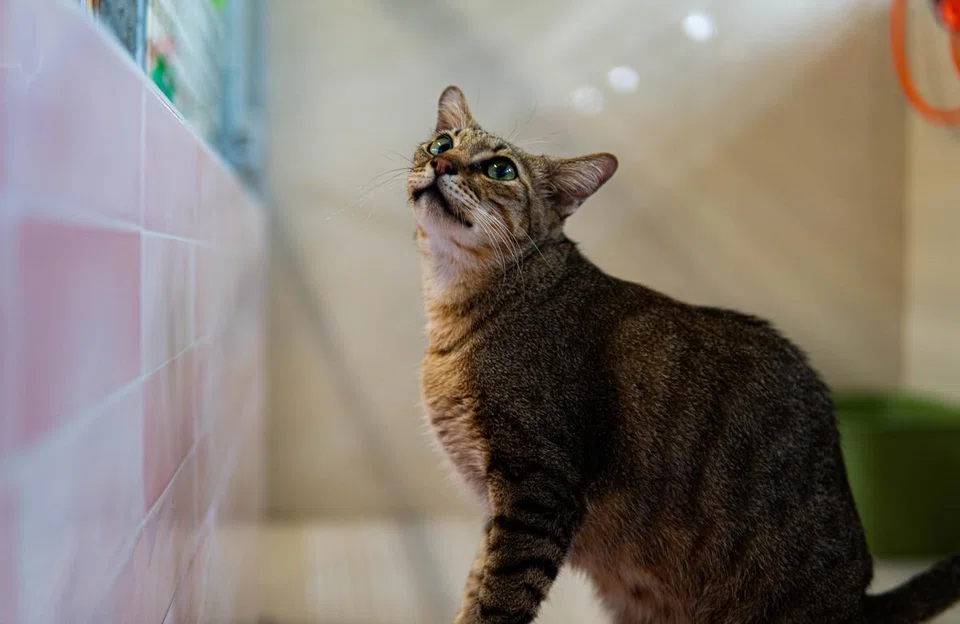
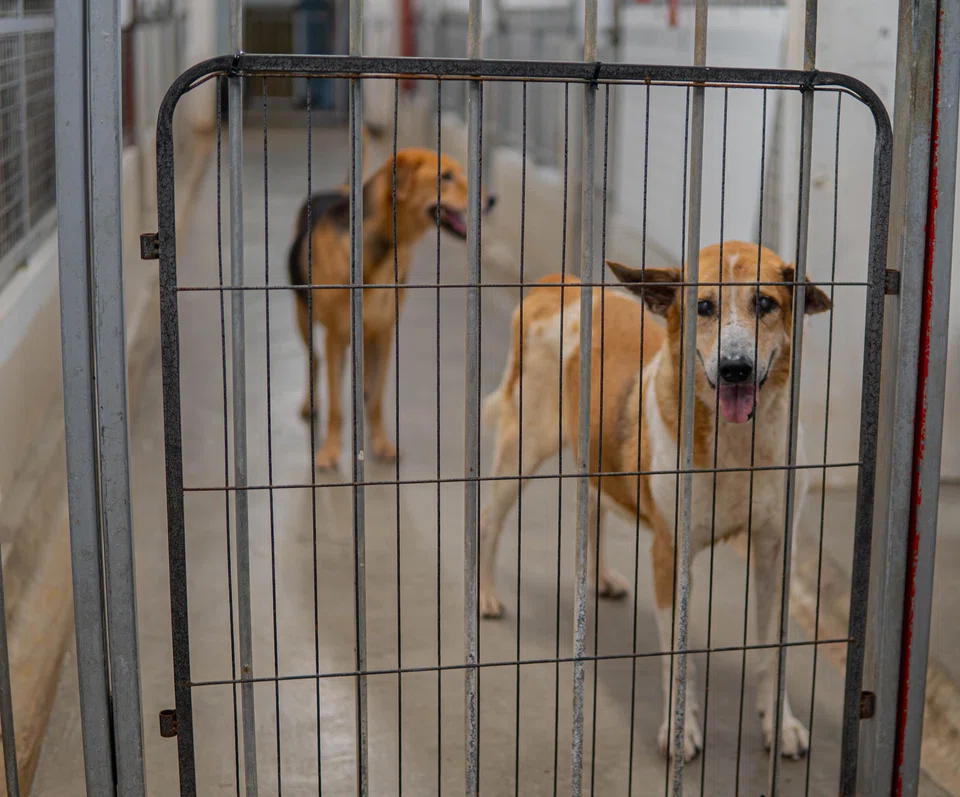
CAUSES for Animals (Singapore), a local animal welfare group, used to occupy a plot of farmland the size of a basketball court in Seletar.
In 2019, the National Parks Board told the group that it could use the space for just two years more. The area around its farmland plot was up for redevelopment, so the group could choose to be relocated to Sungei Tengah in 2021.
Causes for Animals agreed to move. The catch was that the new digs were just a little over half the size of its old place – a concrete cube of space, in sharp contrast to the sprawling greenery around its previous home. As its fundraising coordinator, Christine Bernadette, puts it: “It was like you went from a landed property to a studio apartment.”
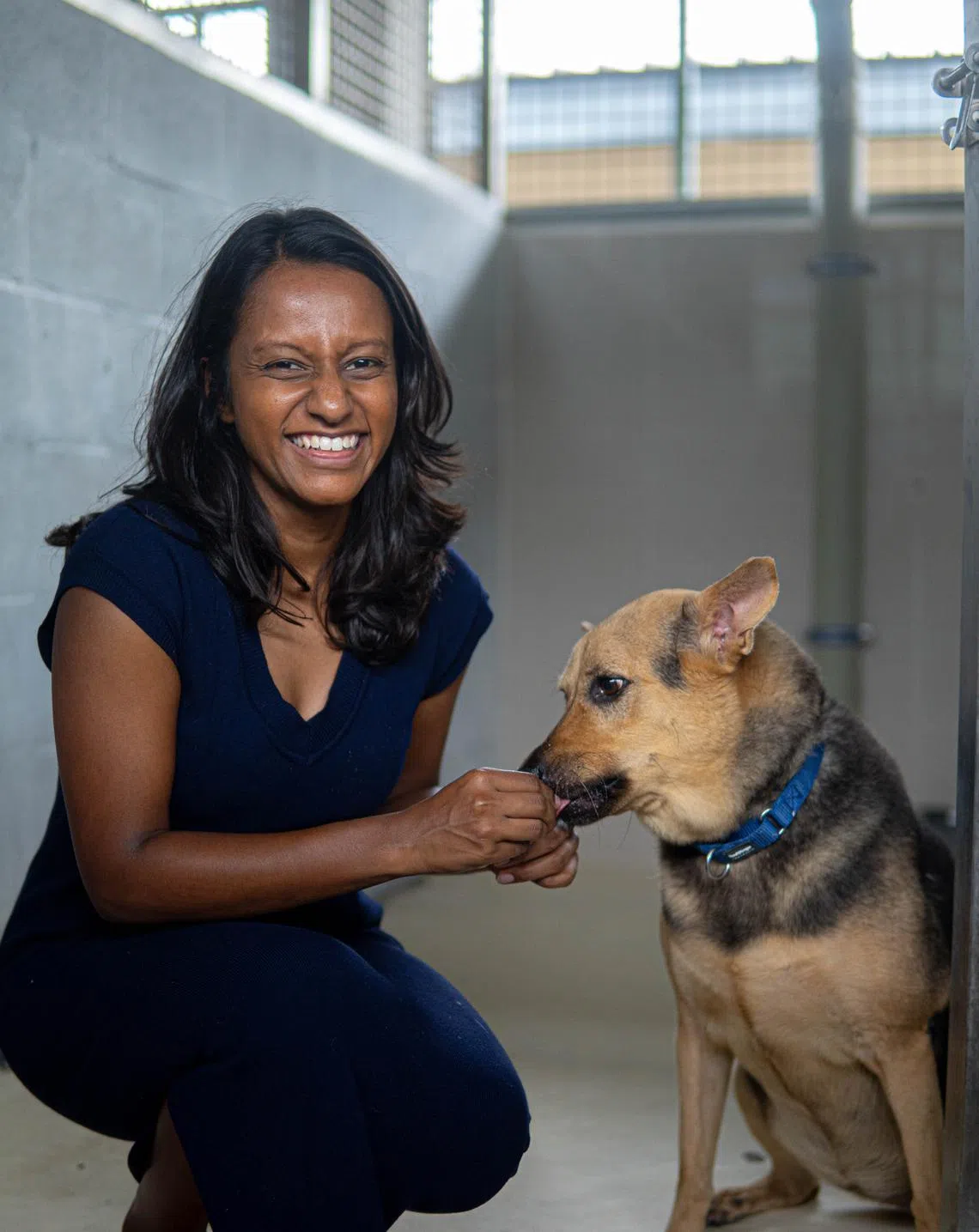
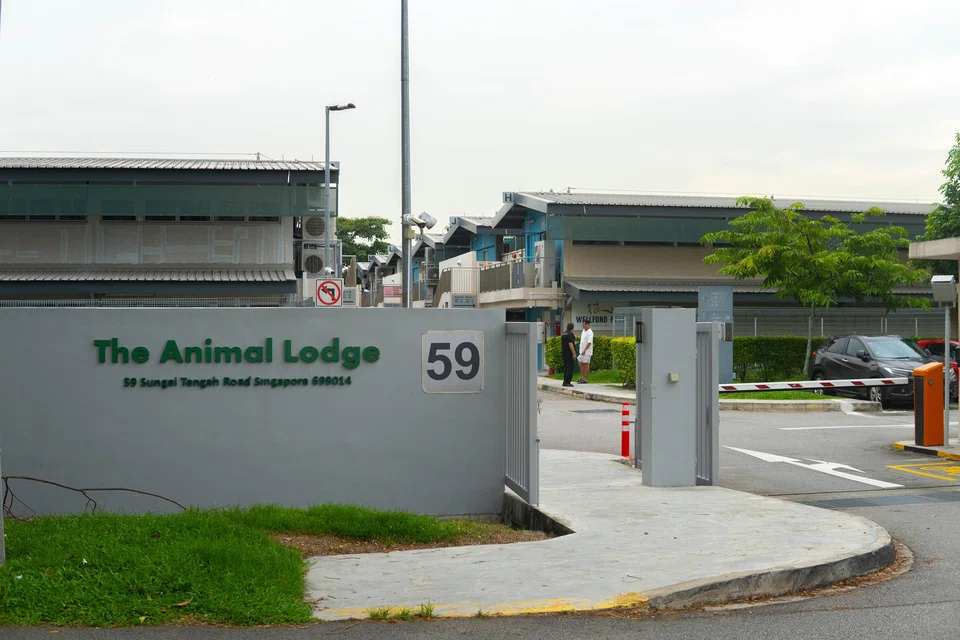
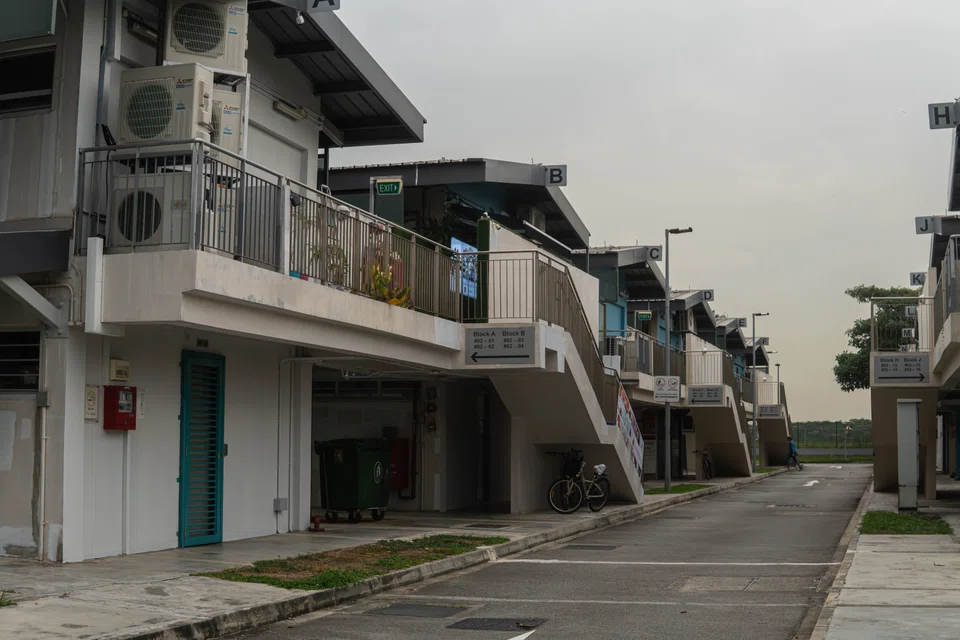
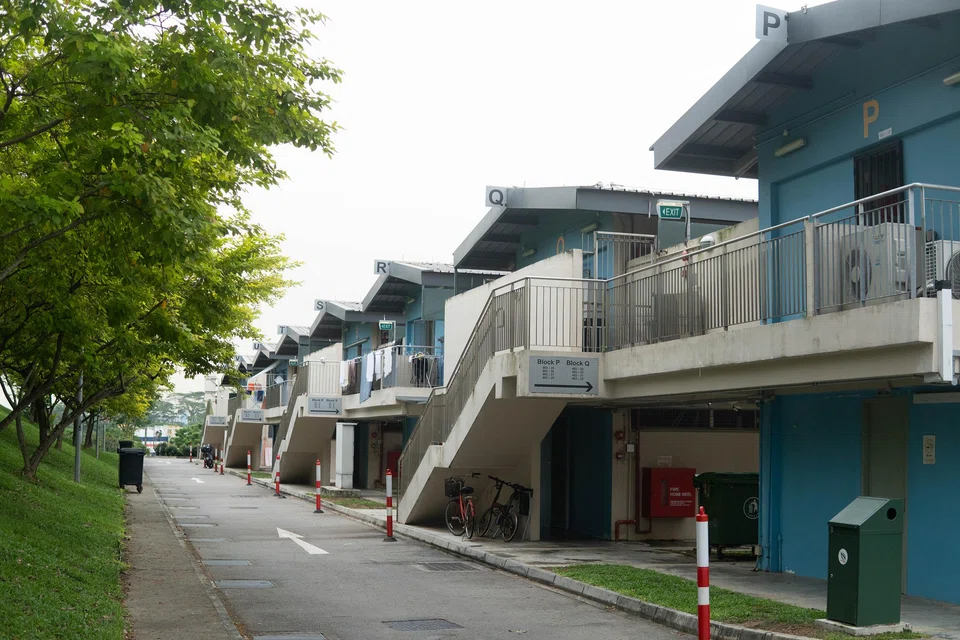
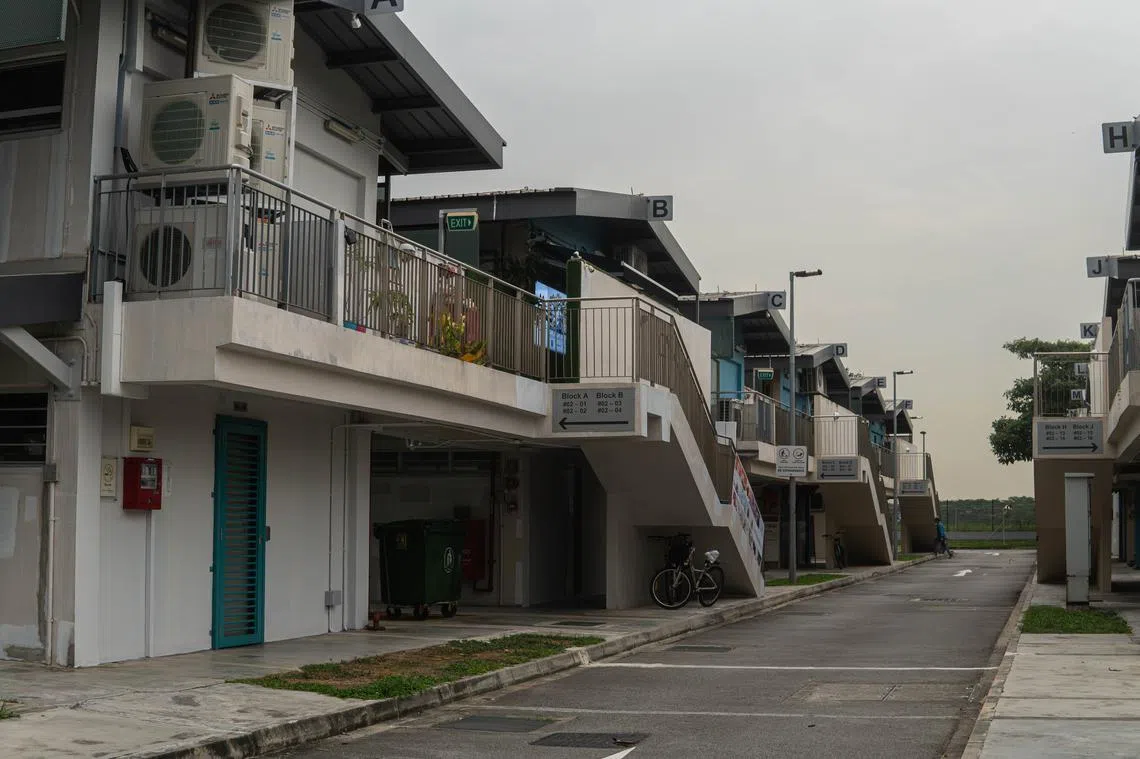
More than 20 other animal welfare groups and pet farms also took up then-Agri-Food and Veterinary Authority of Singapore’s (AVA) offer of the Sungei Tengah space, where a facility named The Animal Lodge (TAL) was built for them – 20 two-storey blocks with 112 units.
The reality is that these animal welfare groups had little choice. If they had turned down the offer, they would have had to bid for land elsewhere and build their own facilities, which would likely have been challenging and exorbitant. The alternative would have been to close shop.
Fast-forward to this year. The 12 remaining animal welfare groups housed in TAL are now looking at December 2026, when their current tenancy runs out. They are at the start of what is the final tenancy period, and are getting anxious. Some even see the spectre of relocation looming again.
“It makes us feel on edge and worried if we are eventually back to having nowhere to move to again,” says Bernadette. “The expectation is that it would be renewed in 2026. If it isn’t, there is no other (viable) alternative for all of us,” she adds.
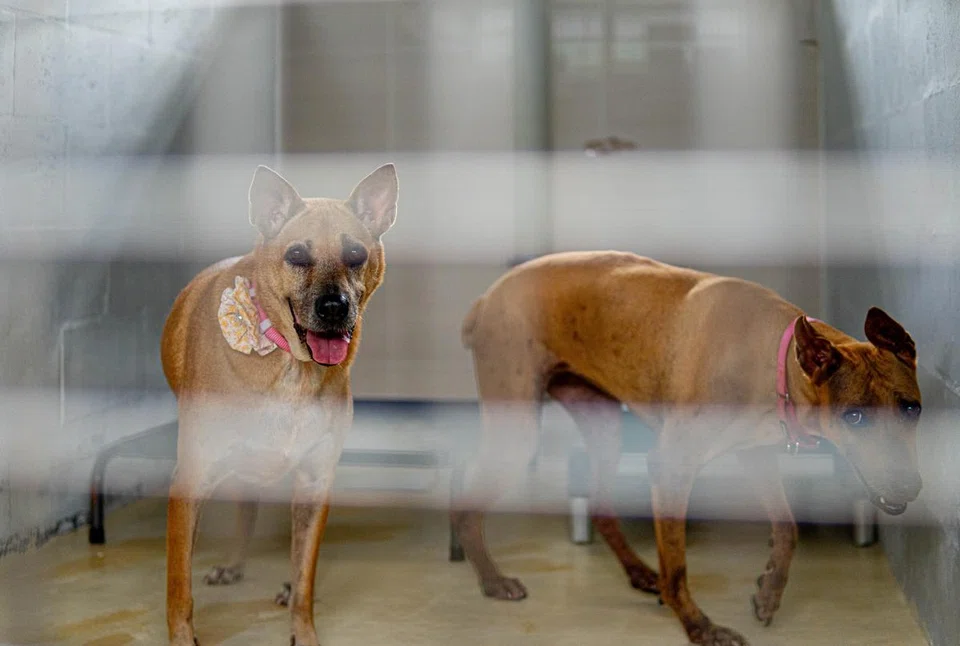
To them, it might seem that even though TAL’s units are small and spartan, they are still better than having no place to house the thousands of stray and abandoned animals.
The tighter space there, and the uncertainty about tenancy, are but a part of the larger struggles of Singapore’s animal shelters: They are in competition with commercial players for space, and the country’s stringent land-zoning laws and land-allocation processes do not help either.
Less room to roam
In 2017, then-AVA worked with JTC to build TAL for animal welfare groups, independent shelters, pet farms and commercial breeders.
In the face of expiring land leases and industrial development plans, these groups were moved from areas such as Loyang, Seletar and Lim Chu Kang to TAL, where they would be able to carry on their operations, safe from having to bid for land to build their own facilities.
SOSD, a dog shelter, moved to TAL in June 2018, on the understanding that the tenancy would be for three terms of three years each.
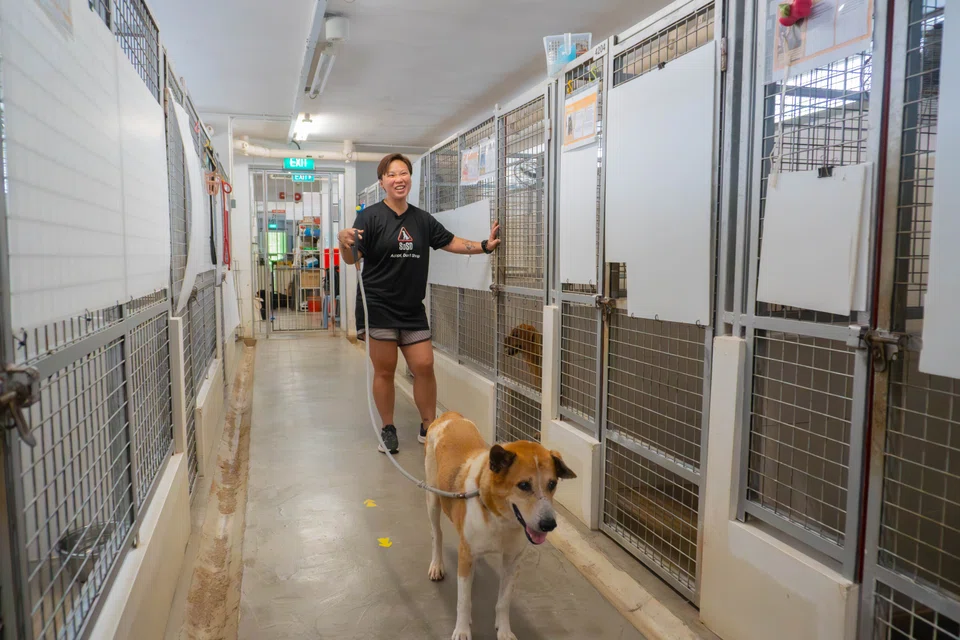
Like Causes for Animals, the other animal groups found the TAL premises smaller than their previous locations. The lack of space has made it harder for the animals to adapt; rehabilitating and training new rescue animals has also been a challenge.
Bernadette says: “There is no proper walking path – cars drive on the same roads that we walk our dogs on. They’re scared of sounds. They’re scared of trucks. They’re scared of cars. It’s an uphill battle.”
The downsizing has also meant that some animal groups have had to cut down on the number of animals they rescue.
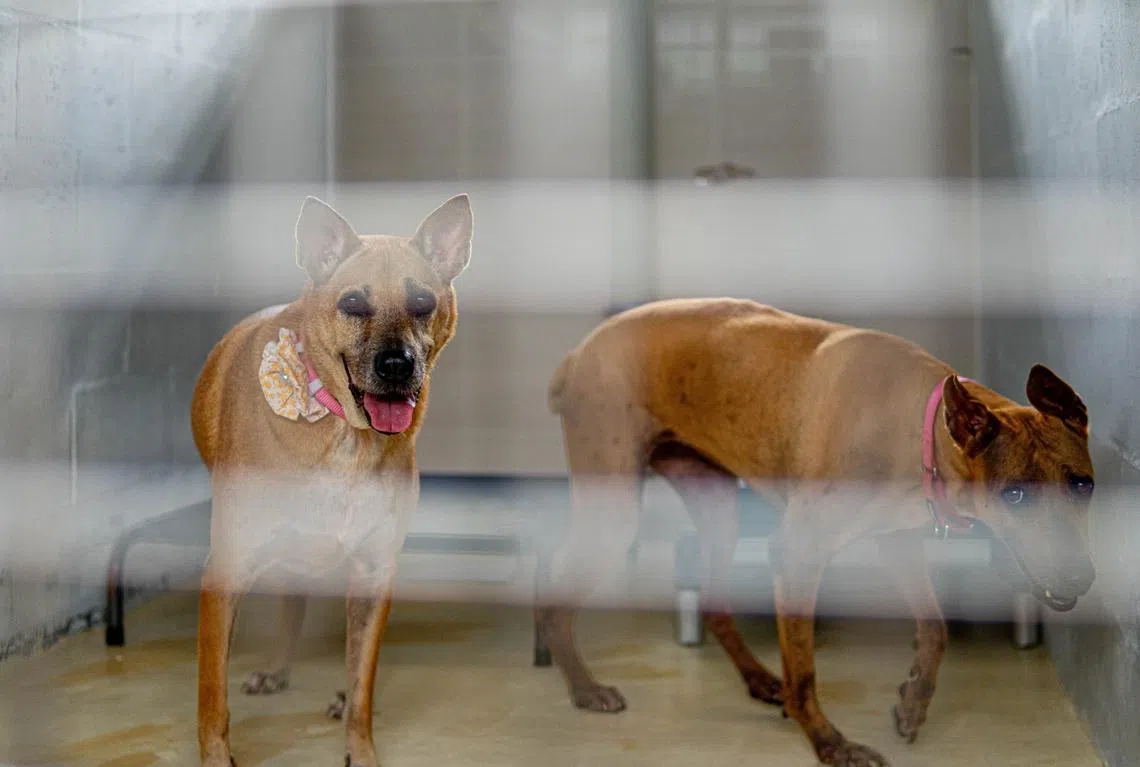
The facility that Mettacats & Dogs Sanctuary had in Pasir Ris Farmway, for example, covered over 50,000 square feet (sq ft), and housed more than 500 animals.
Now, its 2,000 sq ft space in TAL is home to only about 70 animals – 14 per cent of its previous capacity.
Despite having less space, Causes for Animals has kept the sizes of its kennels similar to what they were at its Seletar place.
Other groups have found making improvements to the space a luxury, especially with the uncertainty about the duration of their stay.
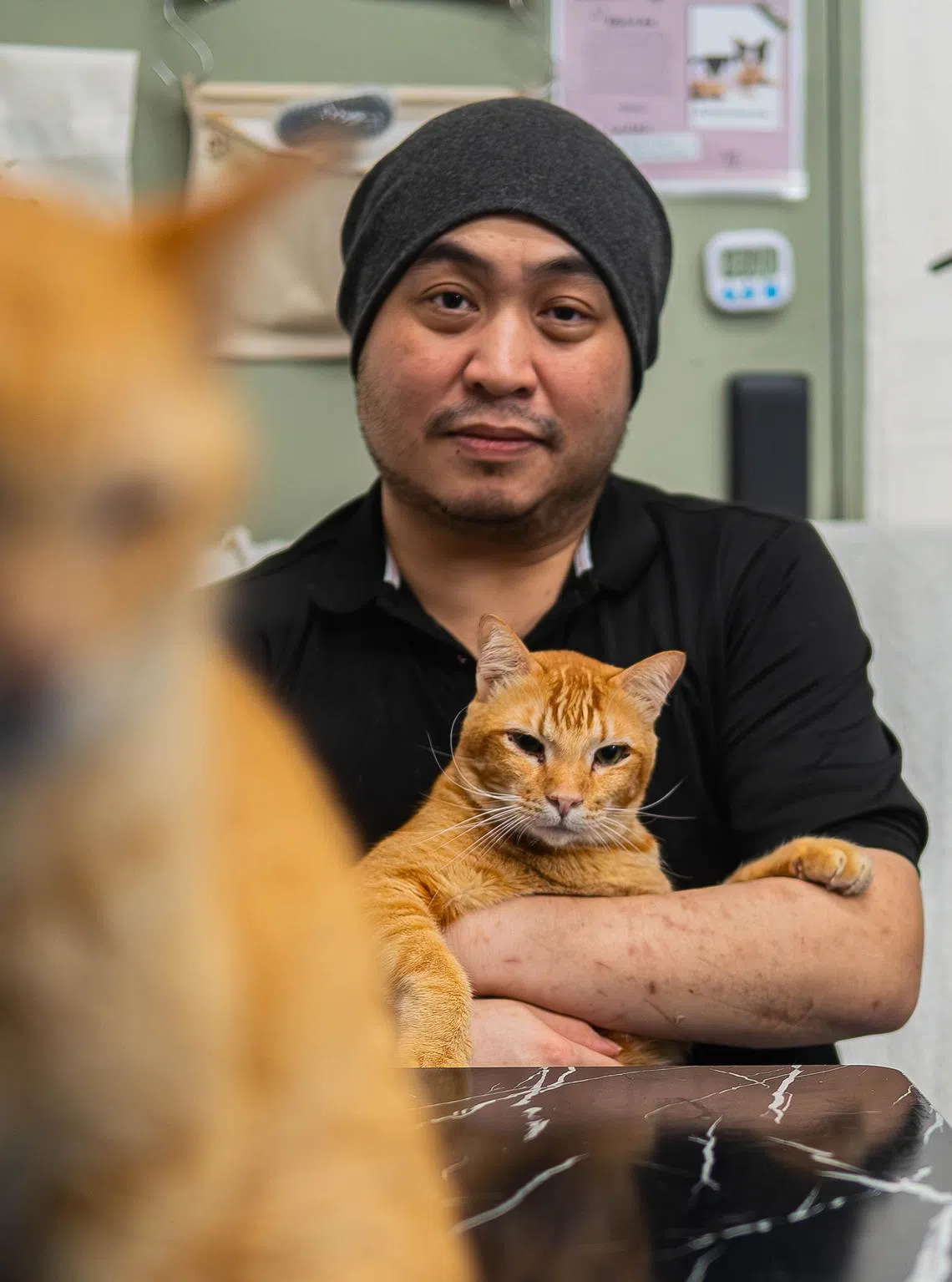
Terry Lim, director of Mettacats & Dogs Sanctuary, says a longer tenancy would encourage the groups to undertake renovations to improve the quality of life for the animals. “With shorter durations, the cost of renovation increases the risk of wasting precious funds.”
Land-zoning constraints
He adds, however: “Even if we were able to afford the exorbitant cost of a property, we have to abide by Singapore’s Master Plan, under which zoned properties are unable to change their usage.”
The Master Plan of the Urban Redevelopment Authority (URA) is the nation’s statutory land-use plan, which guides its development over the next 10 to 15 years.
The land that animal welfare groups qualify for comes under the agriculture category – to which only about 1 per cent of all land in Singapore is allotted, making it highly sought after.
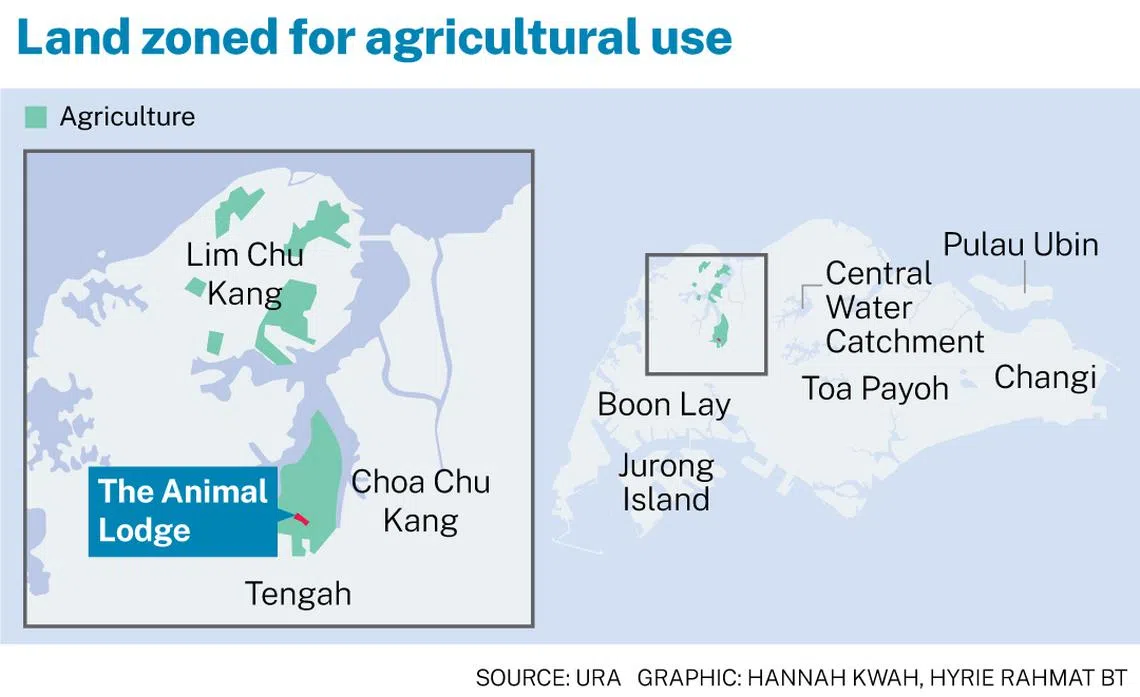
When bidding for land, these animal groups, so dependent on funding, are up against mostly commercial businesses – agricultural entities such as agrotechnology parks, aquaculture farms, plant nurseries, hydroponics farms, as well as agriculture research or experimental stations.
“It would also be an ill-afforded reason when we could use the funds for saving more animals or providing for those in need,” says Lim.
The Business Times understands that there is land in Sungei Tengah zoned by the government for agricultural use.
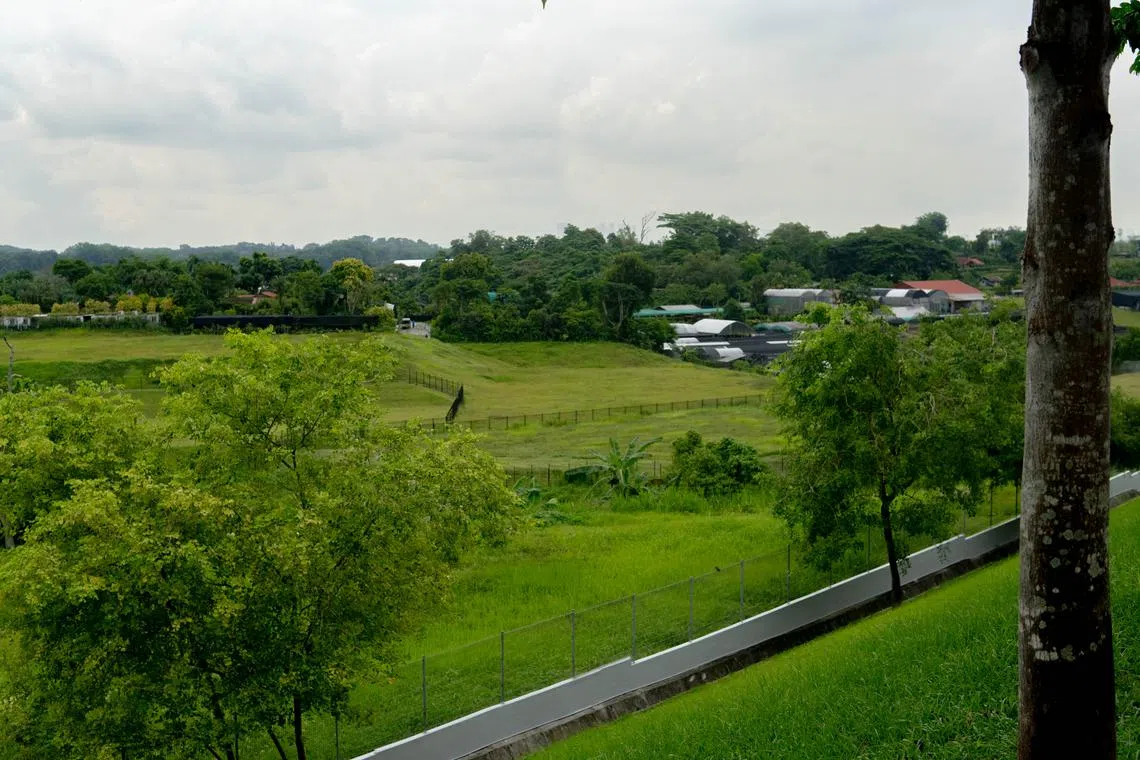
In line with the government’s push for Singapore’s “30 by 30” goal – producing 30 per cent of the country’s nutritional needs domestically by 2030 – four land parcels were awarded for vegetable farming in Sungei Tengah and Lim Chu Kang in April 2024. In October 2023, the Singapore Food Agency launched five land tenders for vegetable farming.
These followed the government’s announcement in 2022 that land and sea parcels would be eligible for a 10-year extension, on top of their initial 20-year leases.
A URA spokesperson says: “For all land tenders, including those for animal shelters, we take into account factors such as market needs, operating requirements of the planned facility, and compatibility with the surrounding uses.”
Tan Shin Bin, an assistant professor at the National University of Singapore’s Lee Kuan Yew School of Public Policy, says the government’s decisions when allocating land are based on the country’s immediate and long-term needs, and that reviews on strategic land-use plans are reviewed every decade or so, in order for planners to keep land allocation decisions responsive to changes.
“The biggest challenge is how to adjudicate and decide between the essentially conflicting needs and desires of different groups,” says Dr Tan.
Clawing through climbing costs
Louis Ng, an MP who has often raised animal-welfare issues, spoke to BT about the government’s move to build TAL.
“At least (the government) alleviated some of the pain and let (the animal welfare groups) run it, so they can focus on monthly costs and monthly rental, which is a little bit easier to raise than a huge upfront cost,” says the MP, who founded Animal Concerns Research & Education Society (Acres).
Indeed, the representatives of the animal welfare groups recognise the help given, for example, through the stable rents they are charged.
When the groups began their tenancies at TAL in 2018, then-AVA assisted them by keeping rents low, and with maintenance, improvement works and advice on animal biosecurity. It was in 2019 that the Animal & Veterinary Service (AVS) took over the animal-related functions under AVA, which was dissolved.
Anna Wong, group director of community animal management at AVS, says: “Then-AVA assisted animal welfare groups and animal shelters financially by charging rental rates at cost-recovery, waiving the rental security deposit, as well as providing a rent-free period and a one-off relocation assistance package to help them in their transition to the new premises at TAL.”
She adds that rental rates for these non-commercial tenants continue to be on a cost-recovery basis, and are 30 to 40 per cent lower than for commercial tenants.
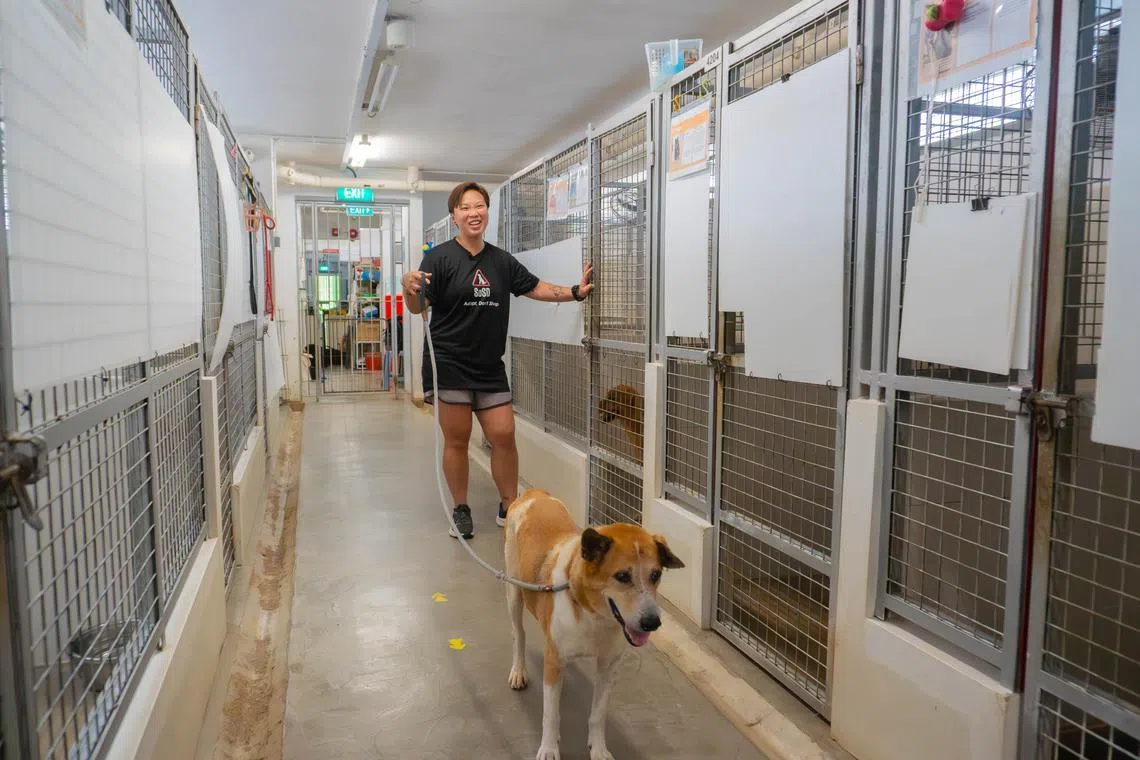
As at May 2024, Causes for Animals was paying about S$1,760 a month in rent for its two units at TAL, and SOSD, about S$3,970 a month for its four units.
But, animal welfare groups at TAL are facing rising costs in their day-to-day operations. Although some veterinary clinics offer discounts of between 10 and 30 per cent to SOSD, for example, its annual veterinary fees have more than doubled since 2019.
At Mettacats & Dogs Sanctuary, Lim says costs can easily “skyrocket”, depending on the veterinary fees for the month.
“A palliative-care or accident case can easily reach S$10,000 to S$20,000 a month, on top of other operating costs,” he says.
On average, the shelter incurs S$12,000 to S$15,000 every month for food, medical equipment and special diets for the animals in palliative care.
Causes for Animals notes that even the cost of raising funds is going up. It rose from S$11,979 in 2022 to S$17,442 in 2023 – a 46 per cent jump, even as donations to the shelter shrank by a quarter, from S$1.2 million to S$903,776.
Bernadette attributes the rise to an increase in labour costs and the cost of online advertising for fundraising.
Will the dog days be over?
MP Ng says: “Land constraints and scarcity of land is probably one of the biggest problems we face in Singapore. We have many competing needs.”
But despite the challenges and trade-offs that need to be made, he is optimistic. “We fight hard to keep our green spaces, (we) fight hard to keep some space for the animals from the different shelters as well.”
Dr Wong says that AVS will continue to work and engage with the animal groups to ensure that their tenancies at TAL will not be affected in the upcoming expiry.
But even as some shelters continue to hope for a longer tenancy at TAL, others want to look for a new space.
SOSD’s Lynnette Chia, a volunteer and management committee member, says the shelter is looking for a new location to house its animals after 2026.
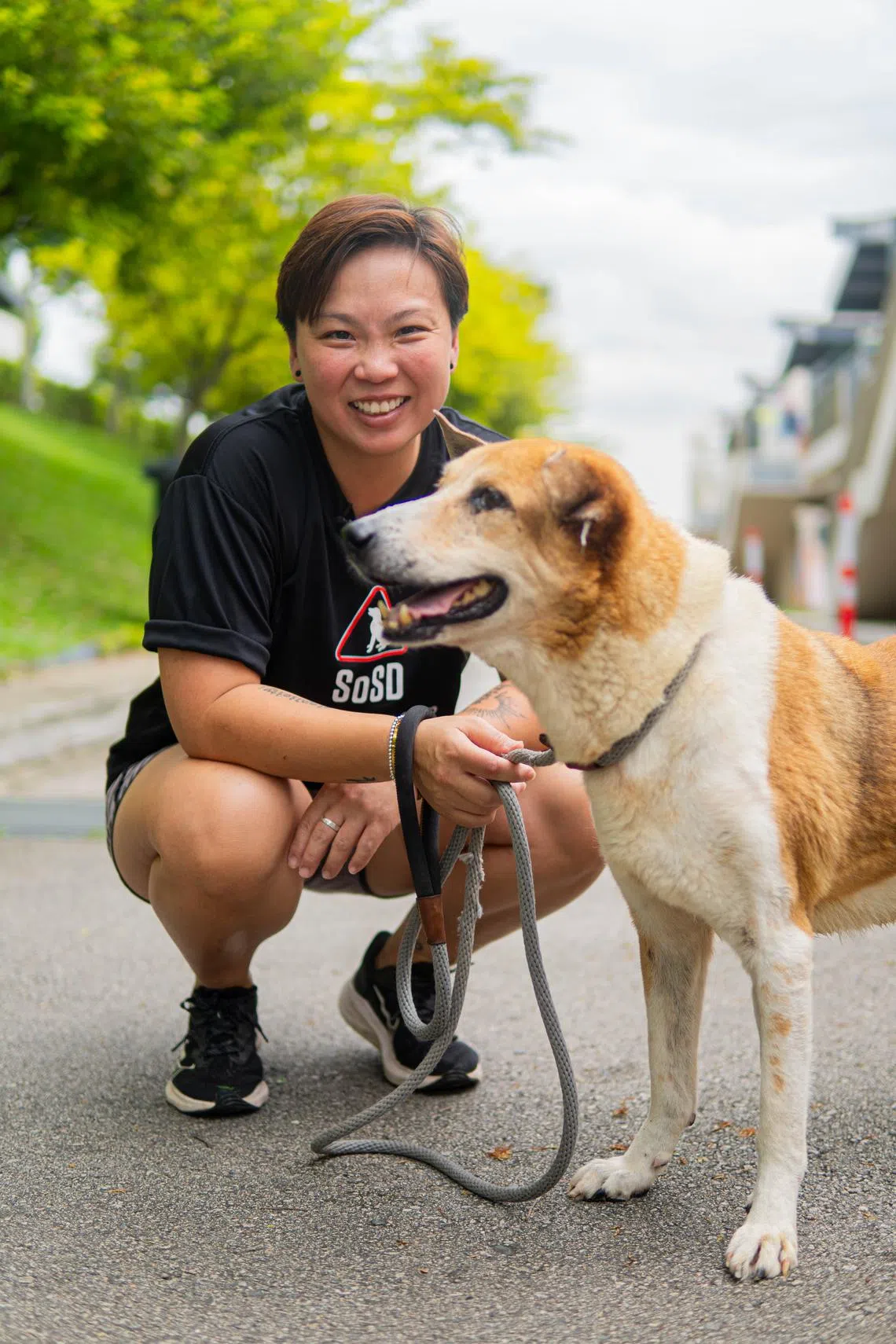
“We would definitely want a space for the dogs, whether it’s in TAL or not. We are trying to find a new location… and we want to be able to design it in such a way that is a lot more conducive for our dogs,” she says.
“If we had one wish, we would wish that no dog would be in a shelter. But I’m not sure if that would be entirely possible.”