Time to end energy dependence on the Middle East
Trump takes aim again at a persistently volatile region
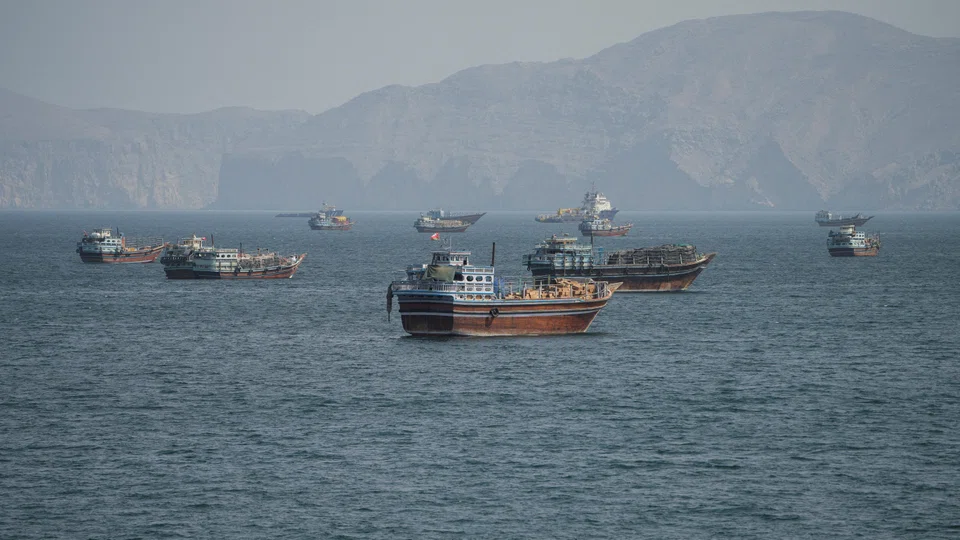

THE US struck Iran’s Qeshm Island on Monday (Nov 2), according to an American official. The resumption of attacks was anticipated after extensive leaks of the joint US-Israeli war plan to mass media and briefings for America’s senators and Gulf allies.
Given that tanker traffic through the Strait of Hormuz is running again, albeit at lower levels still – some oil tankers are being escorted through the waterway by the US Navy and other vessels seem to be paying Iranian tolls for safe passage – what would be the point of another attack on Iran, you may ask.
Such a foray would have everything to do with US domestic politics and little with its Middle East strategy.
Another bout of fighting would offer US President Donald Trump a way to show off his preferred persona as a winner, which his Iran adventure and midterm election hustings have dented. It would reinforce his pivotal role in the American political system.
That so serious a matter as war should be mired in domestic considerations is not unusual. It was ever thus. Just read any good history of the 1962 Cuban Missile Crisis. Domestic political considerations weighed greatly on decisions. Ditto Vietnam.
How would Teheran react if it is attacked again? Iran’s leaders warn of an immediate response, this time without “geographic limits”. And they retain second-strike capability to make good their word.
The past eight months have already provided a foretaste of how another war will play out in our part of the world.
The impact of renewed fighting
When the Strait of Hormuz was first closed, stock markets duly sank; the rupee, rupiah and peso fell.
Very Large Crude Carrier rates from the Gulf to China crossed US$200,000 a day – roughly 10 times the norm – and war-risk insurance premiums jumped from about 0.125 per cent of a vessel’s value to more than 5 per cent, if, indeed, insurers would cover the voyage at all.
Brent crude, US$72 per barrel before the war, now trades near US$105. The International Energy Agency’s October report puts global supply down 5.8 million barrels a day from pre-war levels and stockpiles half a billion barrels lighter.
As noted earlier, Hormuz oil flows have been partially restored. If the strait is totally closed again, it will mean inflation will get worse. For instance, Gulf fertiliser exports have virtually stopped, and food prices have been steadily edging up across South and South-east Asia.
A new round of fighting will most certainly mean sharp food price rises as the world jostles for limited alternative supply. That could trigger social unrest.
Fortunately, a welcome energy transition is gaining momentum regionally. Solar panel imports to the Philippines show a huge jump. Indonesia has shown determination to speed up its 100-gigawatt solar power target as well as accelerate its geothermal power projects. Vietnam is expanding electric-vehicle incentives.
Nuclear power is also getting serious consideration. Indonesia, Malaysia, the Philippines, Thailand and Vietnam are now actively pursuing atomic energy. Malaysia has set a 2031 target for its first reactor. Vietnam signed a nuclear energy deal with Russia earlier this year.
If current plans hold, nearly half the region could have some nuclear capacity by the 2030s.
Given its geopolitics, the Middle East will always remain volatile, even if war is avoided for the time being. The best way forward for everyone else is to end energy dependence on the region.