Time for Singapore to regulate buy now, pay later schemes

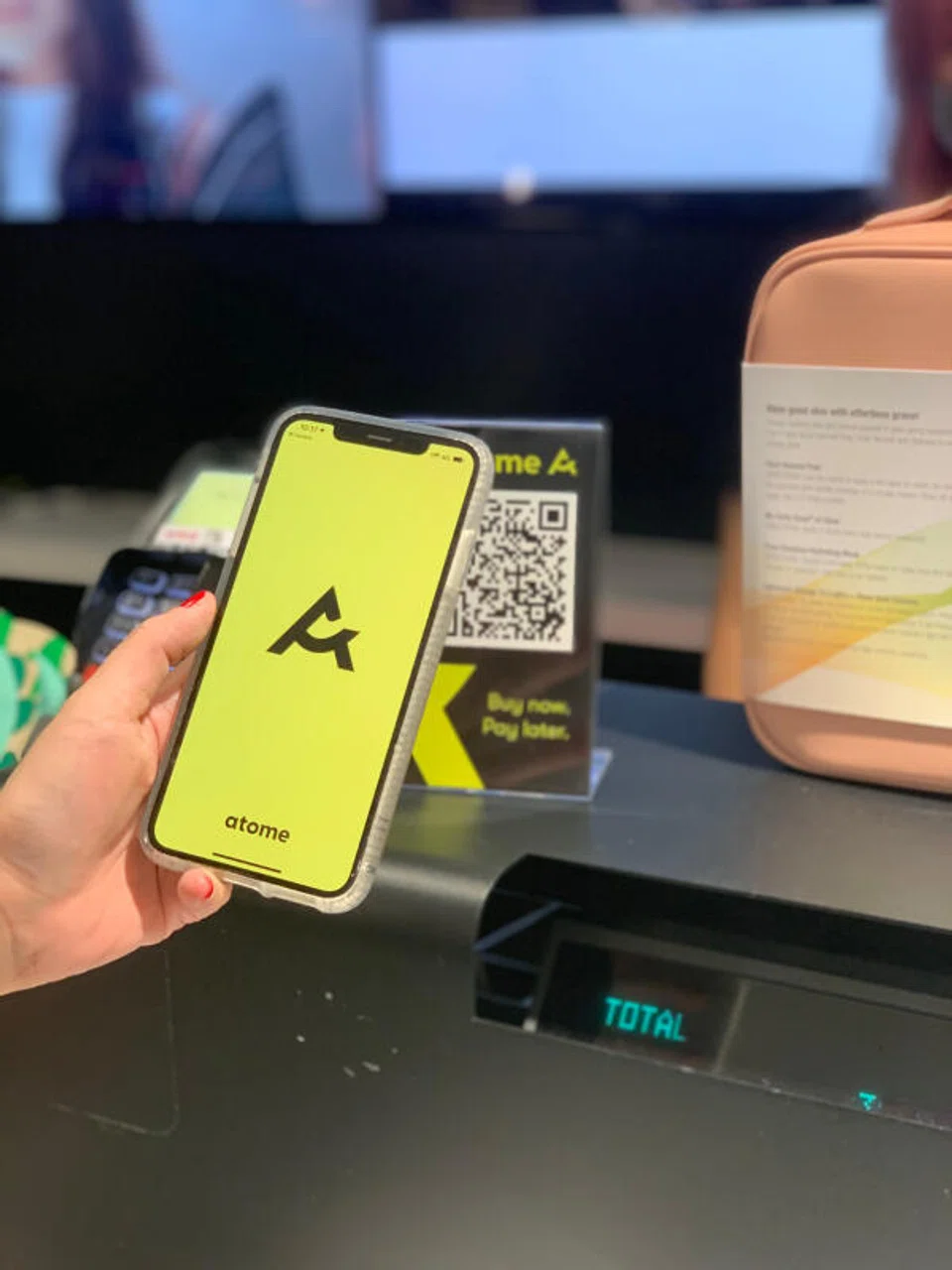
THE buy now, pay later (BNPL) segment of the personal loan market has come under greater scrutiny, with Australia announcing it will introduce new laws governing these unsecured credit players and the United Kingdom drafting legislation to regulate the sector.
Singapore has adopted a “light touch” approach to BNPL regulation. A BNPL working group – formed by the Singapore Fintech Association (SFA) and BNPL industry players, under the guidance of the Monetary Authority of Singapore (MAS) – has come up with an industry code of conduct.
The code sets out dos and don’ts for members. For instance, credit should be capped at S$2,000 unless an individual completes a credit assessment.
Any breaches of this code, however, have limited consequences: An offending company is taken off the BNPL registry and loses a “trustmark”. Neither action would prevent or prohibit players from operating a BNPL business.
The oversight committee that would investigate any breaches or complaints also faces potential conflicts of interest, as committee members are nominated by the same players they oversee.
The code makes some vague recommendations, such as “avoid aggressive solicitation”. What is considered aggressive would be determined by the committee.
Industry insiders say MAS worked behind the scenes to pull the BNPL players together and have them put out the code. Having a regulator’s blessing is good, but perhaps the industry has matured enough for MAS to put its enforcement powers behind a formal regulatory framework.
The moves by governments overseas to regulate the sector come amid growing concerns over consumers turning to BNPL to meet the rising costs of living. In a submission to the Australian Treasury, the Australian Securities and Investments Commission said there is a need to regulate BNPL given the harm these loans could do to consumers.
In Singapore, questions have been raised in Parliament about the use of BNPL. The latest figures released were for 2021, in which BNPL transactions totalled S$440 million. That is less than 1 per cent of all credit and debit card payments in 2021. In absolute numbers, though, it is a significant increase from S$114 million in 2020.
Loans and advances in the regulated banking system have fallen by 5.4 per cent over the past year – to S$1.25 trillion at end-April, according to MAS statistics.
The fall may be a reflection of both a weakening desire to borrow, as interest rates were rising until recently, as well as a weaker appetite to lend money as the economy slows and the risk of default increases.
For some segments of the population, easy-to-access BNPL credit is a last resort as the usual credit sources dry up or are closed off to them. Ironically, these at-risk borrowers are also most in need of protection.
MAS has typically adopted light-touch regulatory approaches to financial services with an element of innovation. Such an approach can give the industry greater flexibility to adapt products and services to new technologies and customer requirements.
In the case of BNPL, however, the innovation can be hard to pinpoint. The companies in this space have placed a layer of technology over an age-old service: unsecured credit.
“BNPL looks like credit, it acts like credit, it carries the risks of credit,” said Stephen Jones, Australia’s minister for financial services on the decision to regulate the sector.
With other countries already moving to firmly put BNPL within its credit regulations, MAS should have no qualms about doing the same. BNPL at its core is credit and should be regulated much the same as other credit products in Singapore.
TRENDING NOW
Grab CEO’s wife Chloe Tong on life with Anthony Tan and finding her purpose
What role can Japan play in Asean’s future?
He built the Vingroup empire. Now South-east Asia’s richest man is handing some key roles to his sons
Asean’s challenge is to become resilient against global geopolitics: former Indonesia trade minister