

Tourism with a twist: More young adults turn to community-based travel to make friends
New travel companies are catering to the needs of Gen Zs and millennials who want to make connections even as they explore the world

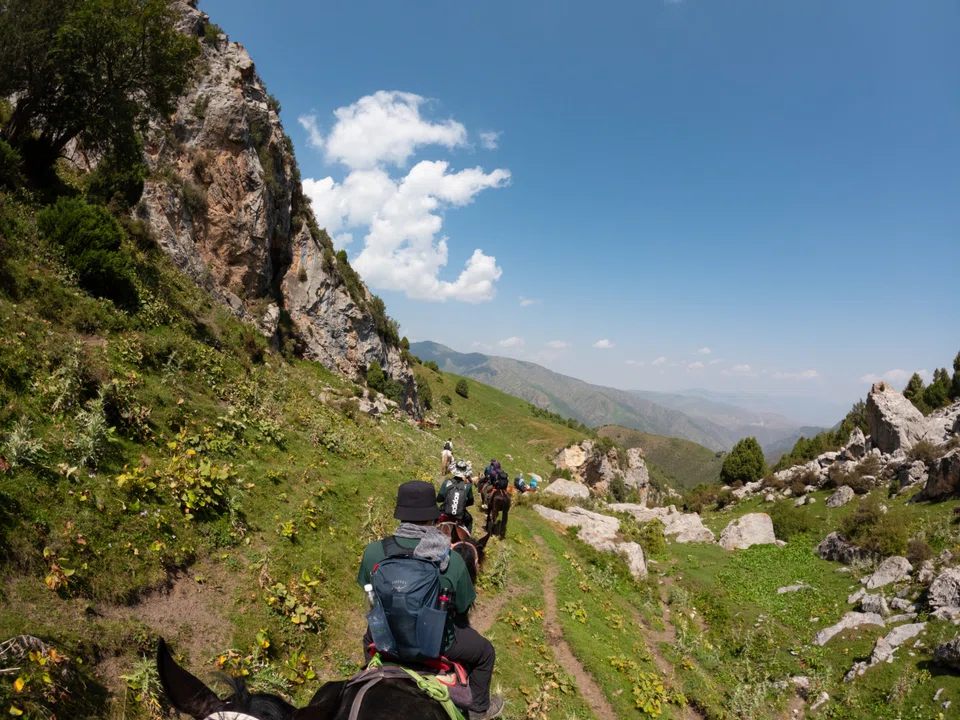
[SINGAPORE] Some people nurse setbacks with indulgent meals and stiff drinks. Others distract themselves by plunging head first into new hobbies – pottery, perhaps?
But youth worker Lim Liyin, 30, chose an entirely different remedy to deal with a personal struggle in late 2023: a four-day motorcycle tour along the winding, picturesque mountain roads of north-eastern Vietnam’s famed Ha Giang loop.
The twist? She deliberately chose a tour designed for strangers to meet – a form of tourism called community-based travel.
“I wanted to push myself out of my comfort zone and try it,” recalls Lim. “What I found was that – even though we (were together) for only four days – the friendships formed during the tour were really unique, (and) even today, I’m very close to them.”
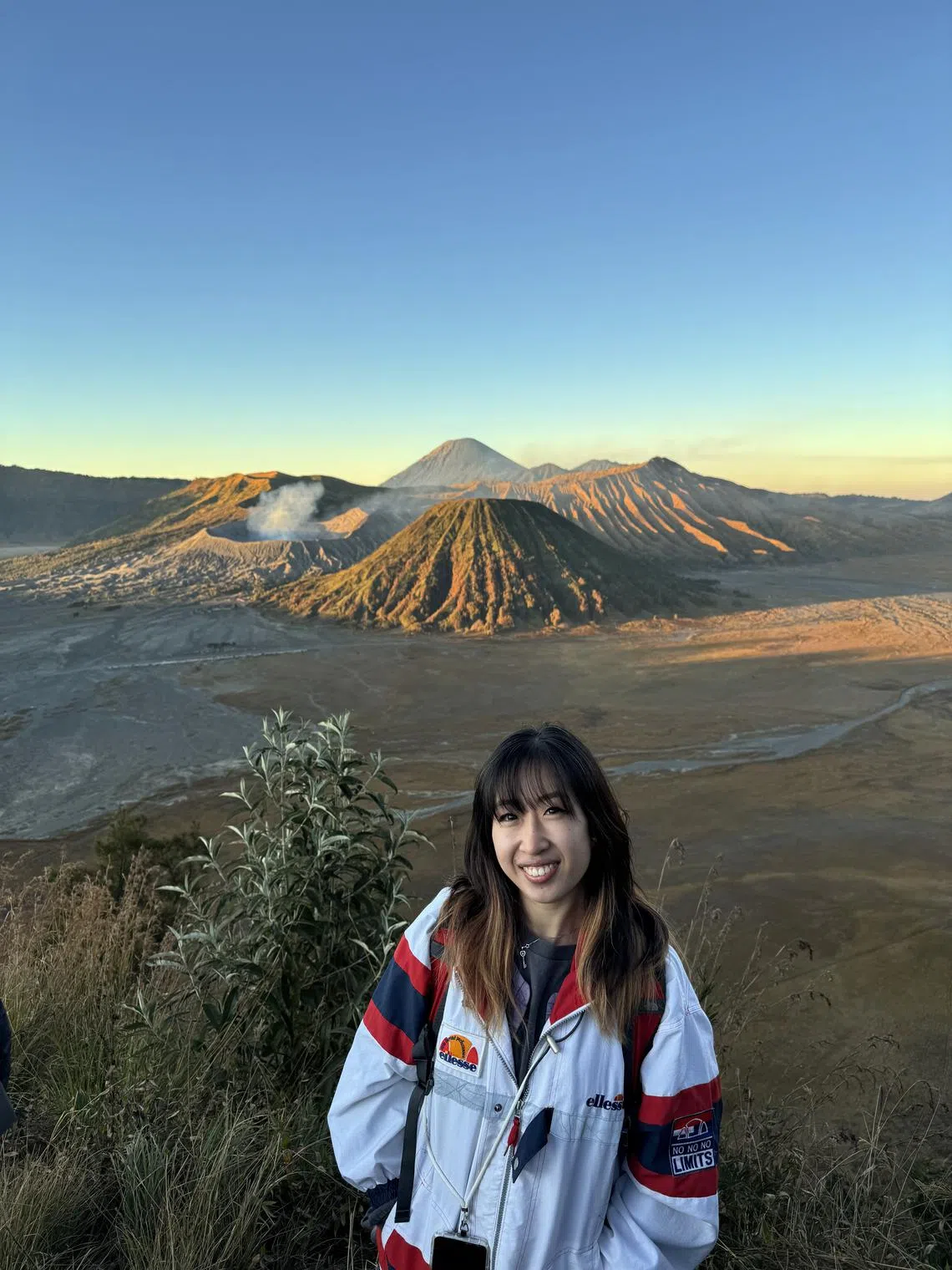
Business development manager Rebecca Tan, 28, also discovered lasting friendships as an unexpected bonus on her three-day trek up Indonesia’s Mount Bromo – an active volcano in East Java.
“It was surprising to make (friendships) that lasted after the trip, and we still talk now,” she tells The Business Times.
These experiences are not isolated cases. In fact, creating meaningful friendships is precisely the reason young travellers are now deliberately signing up for group tours.
Lim and Tan are part of a growing trend of younger tourists who seek not just sightseeing or adventure, but also genuine social connections through carefully curated travel experiences.
TikTok trend
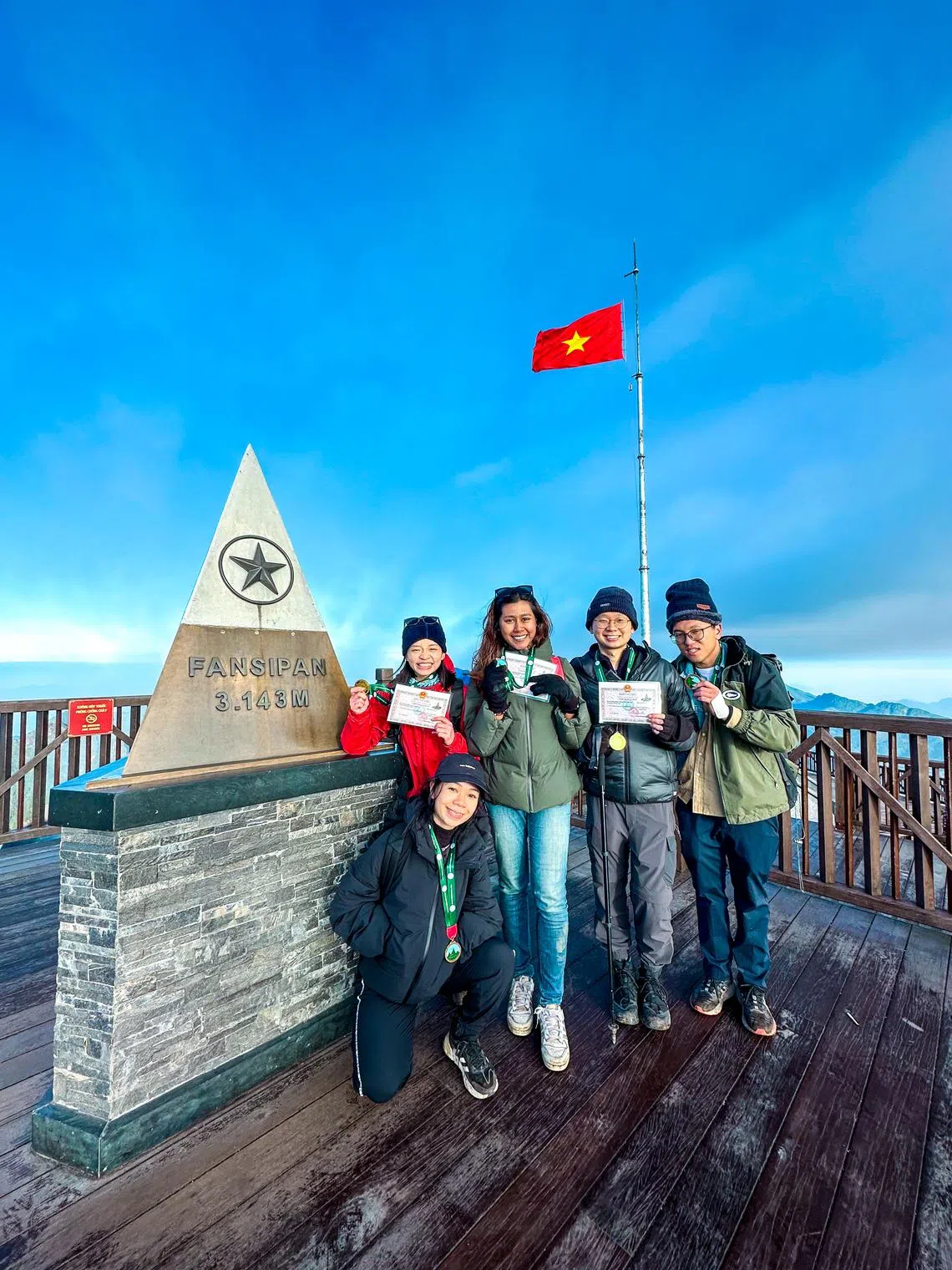
Traditional group tours hold little appeal for younger travellers, Lim observes.
“In the past, my parents did ask me to go on tours with them, but I didn’t really feel like I belonged in one of those ‘uncle, auntie’ kind of tours,” she says. “I was looking for something that was more age-appropriate.”
Social media, especially TikTok, has accelerated this shift.
Polished videos of young influencers venturing abroad – trekking through snow-capped mountains or exploring misty vistas with people they have never met – have popularised boutique agencies specialising in community-focused travel.
TikTok was the top source of travel inspiration among Gen Z travellers – those aged 18 to 27 – show findings from a Mar 12 survey by digital travel platform Agoda.
Nearly half of Gen Z and millennial travellers plan to take between one and three trips this year, while about a third aim for four to six trips. The survey polled more than 15,000 respondents across 11 Asian markets, including Singapore.
Moreover, people under 35 increased their travel spending in 2024 by 47 per cent compared with 2023, outpacing the general year-on-year rise of 34 per cent, notes UOB in a Mar 14 report, based on card spending data.
One company successfully riding the community-travel wave is The Travel Intern (TTI), a travel-content media firm whose videos frequently go viral.
The company has amassed more than 41,000 followers on TikTok, with videos routinely garnering hundreds of thousands of views.
Founded in 2016, TTI launched a dedicated travel agency arm, TTI Experiences, in October 2022.
There, the emphasis is firmly on community-based travel: bringing together people of similar interests and age groups.
“After years of creating travel content, the community was asking how they could travel with us,” recalls TTI’s co-founder and chief executive officer Hendric Tay.
“Covid-19 (restrictions) had also just ended, which contributed to why it was a good time to launch the travel agency,” he adds.
Since then, TTI Experiences has taken more than 300 people on over a dozen trips to diverse locations, from Kazakhstan to Peru.
Still, Tay sees the travel agency primarily as a “community-building tool”. The majority of sales continue to come from the content business, though he declines to provide specific figures.
“As long as we break even and have some profit, I think that’s fine – it will not be the main factor behind The Travel Intern,” he notes.
Age limit
For boutique travel agency Sotravel, however, community-based tours are central to its business model – and it was Sotravel that organised the tours Lim and Tan took.
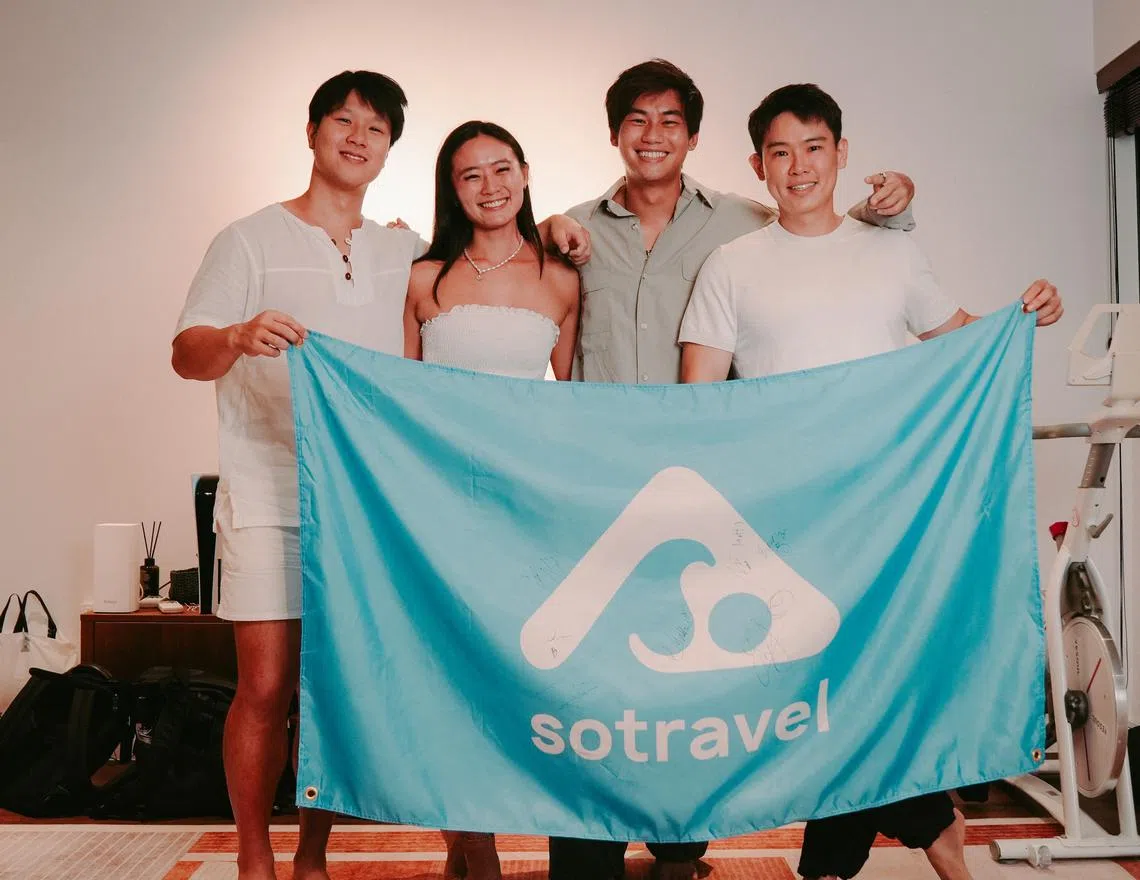
Co-founder Edmund Goh says the firm specifically limits participants’ ages to between 18 and 45, as that is when travellers are “most likely” to be at similar life stages.
“The age curation for our trips does help to facilitate a type of experience that’s very different from your traditional tour, where you’re basically in (siloed) family groups and you don’t really intermingle too much,” he explains.
Founded in February last year, Sotravel has quickly scaled up, organising hundreds of tours for more than 15,000 travellers.
About 40 per cent of bookings come from repeat customers, most of whom are Singaporean and Malaysian. The typical customer is about 29 years old, with “some disposable income”, Goh notes, with the gender-split among clients balanced.
The company is currently raising funds from external investors for the first time, having previously bootstrapped the business without outside funding. Goh declines to share specific financial details, citing sensitivities from the ongoing fundraising exercise.
A newcomer to the community-based travel scene is The Outside, founded last year by Timothy Heng.
Heng previously headed TTI Experiences before branching out on his own in October to establish his new venture, which focuses on expedition-style trips involving high-intensity activities such as high-altitude trekking.
The company’s first revenue-generating trip – a 13-day journey along Nepal’s Annapurna Circuit, a popular long-distance hiking route – will take place in April with 13 participants.
Heng, who will personally lead each expedition, already has seven more trips planned.
His focus in the initial months after starting the company was on growing a community. For this, he organised group hikes at popular local trails, including up Bukit Timah Hill.
Members of that early community are now among those signing up for upcoming tours, along with others who have been drawn in through word-of-mouth recommendations, Heng says.
Building community

For Sotravel and TTI Experiences, the community-building aspect of each trip depends heavily on dedicated group leaders.
These leaders – similar in spirit to orientation group leaders – facilitate introductions, host games, and organise bonding activities among tour participants.
At Sotravel, leaders are usually past participants who receive discounted rates on their trips in exchange for taking on leadership duties, or appointed directly from within the current group of travellers.
TTI Experiences typically assigns its own staff members as facilitators, though the company is currently training freelancers to take on these roles.
Says Sotravel’s Goh: “Because the leader is also in the same age group, the whole vibe of the trip is a lot more fun and interesting, and it does not feel like they are (just) doing it for work.”
Beyond facilitating group bonding, the group leaders also play an important role in ensuring participants’ safety.
This includes making sure at least one group leader is trained in first aid, and carrying backup satellite phones when travelling to more remote destinations, says TTI Experiences’ Tay.
All three tour operators also engage third-party service providers – such as local guides and drivers – to support their trips.
To maintain safety standards, checklists are in place to ensure vendors meet each operator’s requirements.
Generally, these include verifying that local guides hold valid licences from their respective country’s tourism agencies and are trained in first aid.
The Outside’s Heng, who underwent training as an anti-poaching ranger in South Africa in 2023, ensures that participants – particularly those less experienced – are physically prepared for the tour’s more strenuous activities by providing them with a progressive training plan to follow in the months leading up to each trip.
Yet even with comprehensive precautions, risks remain.
In June 2023, two Singaporeans died during a river-rafting activity in South Africa. The expedition was organised by TTI, with the activity conducted by a licensed local rafting company.
When asked if the company’s operating procedures had changed following the incident, Tay says that it continues the practice of engaging only “reputable” vendors and conducting detailed risk assessments.
“What has changed is our view towards the kind of risks that we might want to take,” he adds. “For example, right now, we no longer provide add-on water activities.”
For travellers themselves, safety is always a consideration.
“I was a bit concerned (prior to) my motorbike tour, because I saw a lot of TikTok videos talk about the high number of accidents on the Ha Giang loop,” Lim shares.
“But in the end, I found that the local guides were reliable and they would be very responsible if anything happened.”
Potential competition
Even as more travel outfits appear on the scene to satiate the wanderlust of young adults, industry players are confident that the pie is big enough for each to carve out a slice.

When asked if their business model is vulnerable to disruption – especially by traditional tour operators – Goh says these competitors would need to “rethink” significant parts of their operations, particularly social media marketing.
Traditional tour operators would first have to invest in digital tools for bookings, shifting away from pen-and-paper forms.
Marketing presents another challenge, since many traditional operators primarily cater to the “older generation”, Goh notes.
He adds: “Yes, they have sales officers, they do a lot of travel fairs, and they handle a lot of inbound queries, but do they know how to crack customer acquisition in the TikTok age?”
Ultimately, travel operators concur that travel trends come and go, but businesses that know how to reach and cater to their target audience will have an edge.
TRENDING NOW

Once staunchly pro-China, Malaysian Chinese businesses are now distancing themselves from Beijing

Britain’s mansion tax shows the difficulty of targeting wealth

Three hats, one goal: How Ng Kian Swan runs sustainability at NUHS

COE review: The gap between luxury and mass-market cars isn’t the only one worth bridging

