

Transatlantic ties bolstered by Biden and Scholz
 Add BT as a preferred source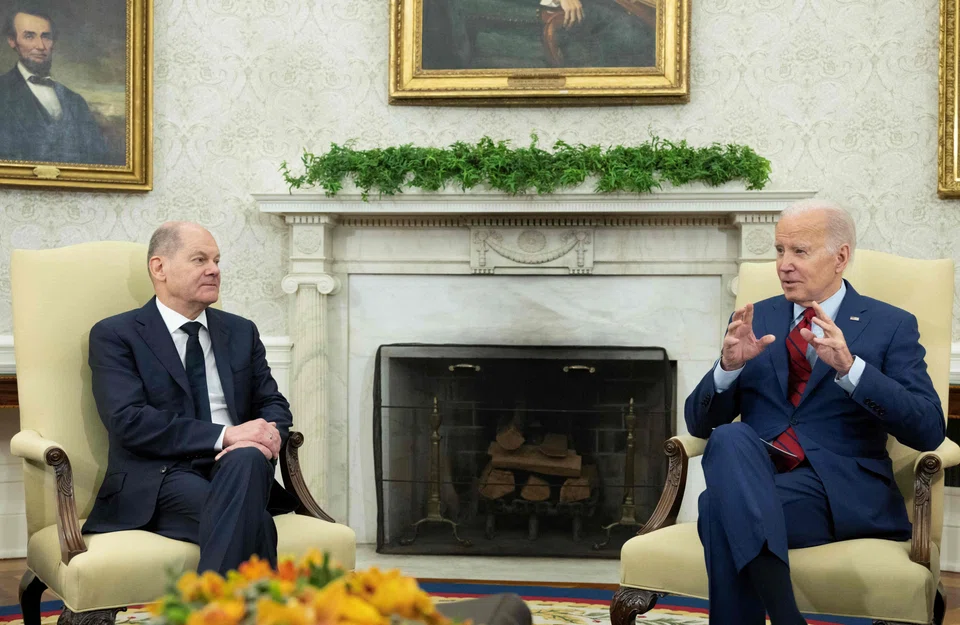
THE crucial post-war economic and political relationship between Germany and the United States had been broadly stable and strong until the Trump presidency. However, since 2017, huge uncertainty has been injected into the relationship, a dynamic that has not fully stabilised even after the great disruptor Donald Trump left office.
To be sure, US President Joe Biden and German Chancellor Olaf Scholz are much more like-minded partners than Trump and Angela Merkel who may have had the worst relationship, by some stretch, compared with any of their US and German predecessors in office in modern history. This includes during the bilateral tensions over the 2003 Iraq War which saw a significant schism in the transatlantic alliance when then German chancellor Gerhard Schroder opposed then US president George W Bush’s decision to topple Saddam Hussein’s regime.
One recent indication of the improved relationship between the two nations came when Germany – unlike France, Italy and Spain – gave its political backing to recent US strikes against the Houthis in the Middle East. Building from this, Germany is also now pushing for the European Union to expand a French-led mission in the Strait of Hormuz into the Red Sea, to protect commercial shipping where the Shia Islamist rebel group is active.
TRENDING NOW

‘I felt like dying’: Thai Singha beer scion speaks up after disclosure of alleged sexual abuse

In a world of long-drawn crises, ‘wait and see’ may be a decreasingly tenable stance
SpaceX’s US$1.75 trillion IPO: How retail investors, including those in Singapore, can buy shares

The returnees: Inside China’s AI talent reversal

