

Trump and Putin’s Alaska theatrics imperil Ukraine – and Europe
Two versions of the US president could have attended the tete-a-tete. Unfortunately, the wrong one did
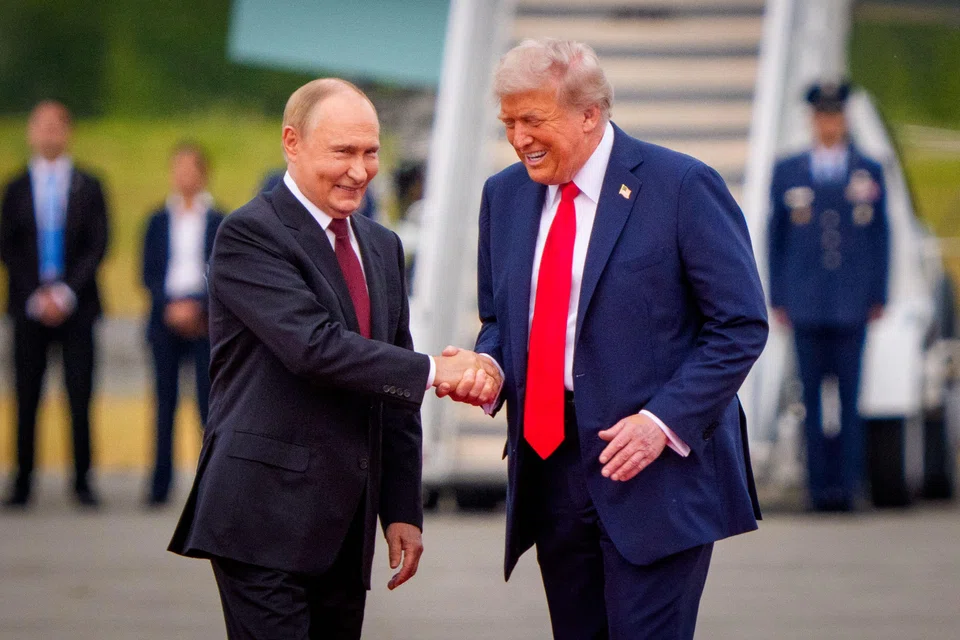
IT MAY be some time before we know what was discussed in Alaska between presidents Donald Trump and Vladimir Putin. But much can be deduced from the two words never spoken during the heavily choreographed, question-free joint press conference that wrapped it up: “ceasefire” and “sanctions”.
There were two Trumps who could have shown up in Anchorage, and it is hard to overstate how much was riding on which one appeared, including the future of Ukraine, the security of Europe, the health of the transatlantic alliance and the protection it provides for North Atlantic Treaty Organization members in Russia’s sights.
One Trump was the version who has long held a kind of teenage crush on his Russian opposite. In a quarter century in the Kremlin, Putin has achieved so much of what Trump clearly aspires to create in the US: a state, economy and media that revolve around him.
This is the Trump who, at a previous summit in Helsinki, accepted Putin’s word over the findings of US intelligence agencies on whether, in 2016, Russia tried to influence US presidential elections. It is the same man who repeatedly parroted Kremlin propaganda on Ukraine, including that it was the aggressor on its own territory, responsible for starting (and therefore stopping) its own invasion.
But there was also, of late, a second version of Trump, born of frustration after Putin repaid this adulation by ignoring US calls for a ceasefire and upping the pace and brutality of the war. This Trump acknowledged he was getting “tapped along” by Russia.
He set an Aug 8 ultimatum for the imposition of potentially costly sanctions on Moscow, unless there was progress towards peace. And when he agreed to defer that deadline in favour of a summit, he threatened “very severe consequences” if that did not work out.
Trump also promised worried European and Ukrainian leaders that he would stick to demanding the ceasefire, followed by talks to which Ukrainian President Volodymyr Zelensky had long since agreed.
There was little sign of this peace-from-strength Trump to be seen in Anchorage on Friday (Aug 15).
True, the US side organized a menacing fly-past – a US B-2 stealth bomber, flanked by F-35 jets – but that was it. The ceasefire that was supposed to be Trump’s key goal at the summit did not get a mention until in a Truth Social post on Saturday, when the US president said he had adopted Putin’s format of negotiating a full settlement as the war continues.
According to Trump, Zelensky and the Europeans were thrilled when he gave them the news. I have my doubts.
Nor was there any mention of additional sanctions, until when asked in a Sean Hannity interview, the US president said he now did not have to think about them, at least not for at least a few weeks.
There was no sign of any very severe consequences, or their threat. Putin – an indicted war criminal – instead got a red carpet, a friendly shoulder clap and a private ride in “The Beast”, the US presidential limousine. He also got a platform from which to break his diplomatic isolation, without having to answer questions from international media.
Most important, though, is that Putin succeeded in his core task, which was to ensure he could continue his offensive in Ukraine without US punishment. The Aug 8 deadline is, for now at least, forgotten. And whatever partial outline for a deal the two leaders agreed to among themselves, it was favourable enough to Moscow that Putin warned Ukraine and Europe not to get in its way.
It is too soon to know for sure that this was the sell-out Zelensky and his European allies had feared from the moment Trump agreed to see Putin alone. Yet, there is reason to fear the worst in Trump’s ceasefire comments: that in two-and-a-half hours of talks, he got no closer to a settlement that Ukraine can or should accept, but will nonetheless now cast Kyiv as the primary obstacle to peace, driving a deep wedge between the US and its traditional European allies.
Indeed, Trump said it was now up to Zelensky to close the deal.
If so, this hastily convened summit did not need the usual, gruelling weeks or months of preparation, because its function was theatrical: to create a stage on which Trump could begin the US-Russia reset that has, from the start, been his priority.
On Ukraine, the US president would in this case use the closed-room talks in Alaska to say he gave peace his all, before washing his hands of the affair. This would absolve him of having to apply the pressure on Putin that is so clearly needed to persuade Russia’s leader to stop the bloodshed and negotiate a genuine settlement.
Trump, as I wrote before the summit, has had the means to make that happen since the day he took office. And he could yet decide to stop getting tapped along, with Friday’s summit setting the scene for a new and much tougher approach towards his role model in Moscow. But if that is the case, nothing on display in Alaska gave the game away. BLOOMBERG
TRENDING NOW

Stocks to watch: Clar, Seatrium, Sheng Siong, MPACT, NetLink NBN, Starhill Global Reit

Singapore government slaps loan curbs on individual private-hire car buyers

If Europe goes to war, the fallout will be felt in East Asia

DBS denies rumours of Indonesia unit merging with Bank Central Asia; analysts see sense in a deal

