Trump’s deal with Xi is missing what Obama had – a foundation
Beyond soybeans and tariffs, the avoidance of discussion on the two sides’ flashpoints shows the truce is merely transactional
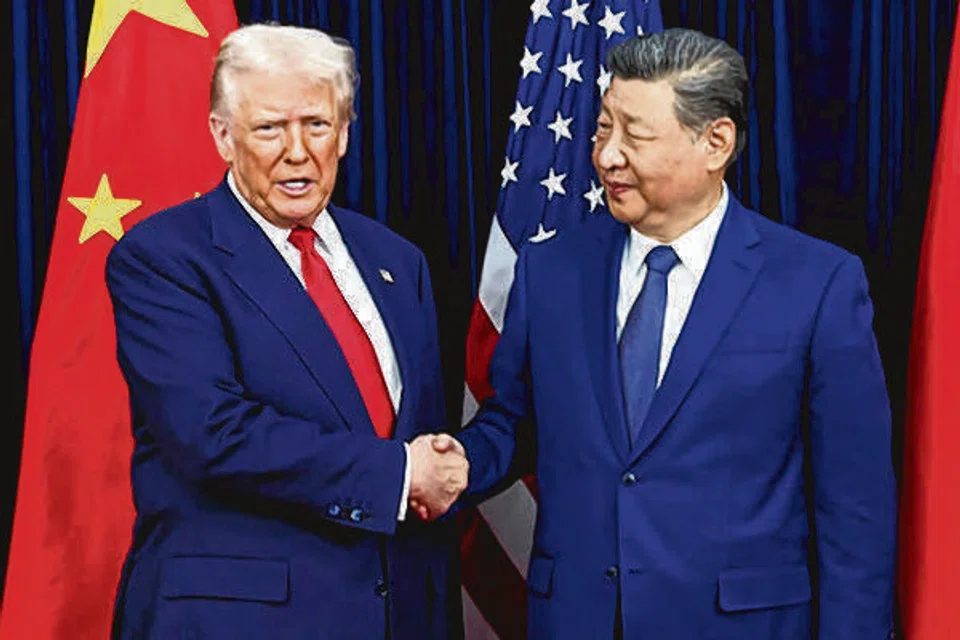
US PRESIDENT Donald Trump has long been prone to hyperbole. However, his evaluation that the meeting last week with Chinese counterpart Xi Jinping was a “12 out of 10” that will lead to “everlasting peace” was a remarkably optimistic assessment, even by his standards.
To be sure, an agreement was reached at that South Korea session, on the sidelines of the Asia Pacific Economic Cooperation summit, to de-escalate tensions in the two leaders’ first face-to-face meeting since the pandemic. Trump dropped his threat to impose 100 per cent tariffs on Chinese goods, froze fees on Chinese-made ships docking at US ports, in addition to lowering the fentanyl tariff. Xi, on his part, backtracked on plans to further tighten export limits on rare-earth metals, and pledged to purchase more US agricultural products, including soybeans.
Yet, just as important as what was agreed, what was not discussed in any substantive way is interesting too. Take the example of China’s large purchases of Russian oil, and the possibility of the US targeting major Chinese oil refiners and trading firms, the so-called “shadow fleet” carrying Russian crude to foreign markets, or the Chinese banks handling these transactions.