Twitter’s new CEO will find myriad challenges awaiting at shrunken company
Twitter badly needs advertisers to boost its flagging revenues, and Linda Yaccarino is a known quantity in the advertising business.
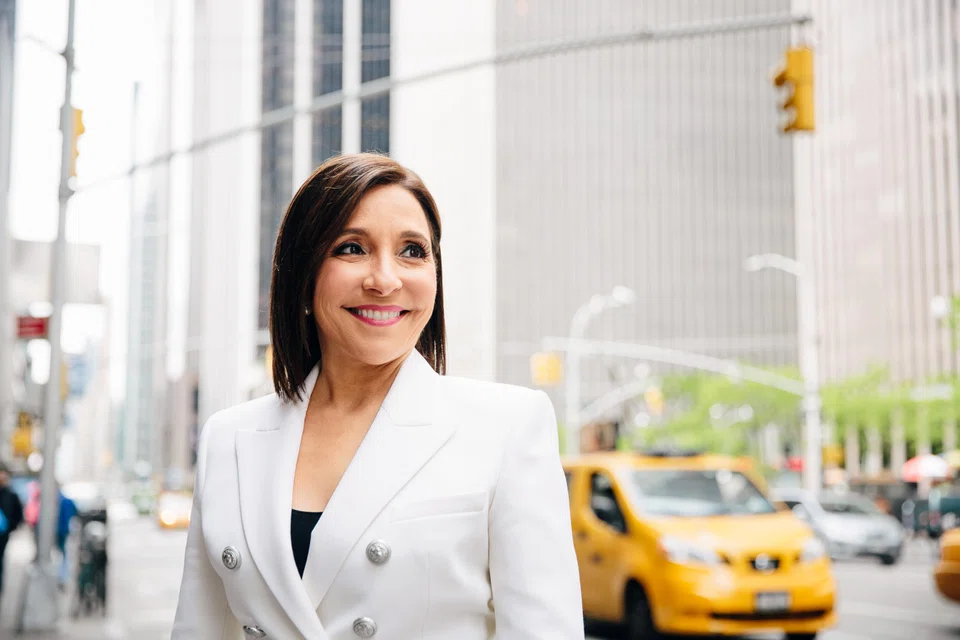
[SAN FRANCISCO] Elon Musk finally found someone “foolish enough” to want to be Twitter’s new chief executive.
She is Linda Yaccarino, the former chairman of global advertising and partnerships at NBCUniversal. And by the looks of things, the 60-year-old will have her work cut out for her.
Musk – who also owns Tesla, SpaceX, and Neuralink, among other companies – said that Yaccarino will be in charge of business operations, while he retains control of Twitter’s product design and technology.
Yaccarino takes over a social media platform that Musk bought for US$44 billion last October, slashed about three-quarters of its workforce, and alienated advertisers and users as he relaxed controls over content rules, leading to an uptick in hate speech and disinformation.
“If the new CEO is perceived as running Twitter in a more business-like way, with less day-to-day whims and ruling by tweet, that might give advertisers more comfort,” said David Carr, a senior insights manager at Similarweb, a digital data and analytics company.
“The big question is, how much will he really let her run the company?”
Whether she gets her say at Twitter, Yaccarino was brought in for a crucial reason.
Twitter badly needs advertisers to boost its flagging revenues. Amid a plunge in its valuation to less than half and Musk’s controversial decision-making that gave advertisers pause, Yaccarino is a known quantity in the advertising business.
She managed a 2,000-member global team at NBCUniversal and generated more than US$100 billion in ad sales during her nearly 12-year tenure at the company, according to her Linkedin profile.
Before that, she worked at Turner Broadcasting Systems for almost 20 years, handling advertising, marketing and acquisitions.
Yaccarino is going to need all that experience and contacts to turn around the dire revenue forecasts for Twitter.
Advertising revenue this year is expected to nosedive 28 per cent, from US$4.14 billion in 2022 to US$2.98 billion, according to estimates from research company Insider Intelligence.
Twitter’s ad buyer traffic worldwide plummeted 21 per cent in April, Carr said, while traffic to its website and app has also been falling in the first three months of this year.
Advertisers that have pulled back from spending on Twitter include General Motors, Merck and Wells Fargo.
Despite Musk’s attempts to boost revenues through other avenues, such as paid services such as Twitter Blue for individuals, its bread and butter remains advertising.
About 92 per cent of the social media company’s revenues in the first half of last year came from advertising, said its last publicly-released financial report.
“Bringing advertisers back to Twitter is going to be a difficult feat for (Yaccarino), regardless of how well-respected and successful she’s been,” said Kelsey Chickering, principal analyst at research company Forrester.
“Twitter has frankly been a footnote in advertisers’ plans in the past … It was easy for advertisers to offload because it wasn’t a huge part of their media plan.”
Chickering said Twitter captured only 1.3 per cent of digital ad spending in 2022, and her company has advised advertisers to take a “wait and see” approach with their efforts there.
Twitter is also projected to continue losing users, shedding a total of about 33 million users in this year and next, Insider Intelligence data showed.
Yaccarino will have to think up ways to stem the exodus as users seek alternatives to Twitter. One of its buzziest competitors is Bluesky, backed by Twitter co-founder and former CEO Jack Dorsey.
Many users who left Twitter said they felt its content was “too hateful” and did not like the disinformation it spread, Forrester found in a survey last year.
How Yaccarino contains the spread of disinformation and hate speech is linked to her success at regaining advertisers’ confidence.
The company’s disinformation problems lie with Musk’s strategy, which disenfranchised marginalised communities and scared off advertisers, said Imran Ahmed, the CEO of the Center for Countering Digital Hate.
“Whatever minimal content moderation previously took place no longer happens, because Musk has laid off so much of his workforce, driving away advertisers who had once formed the bulk of Twitter’s revenues,” he said in a statement in response to Yaccarino’s appointment.
“Regardless of which vassal was appointed as CEO, it’s irrelevant unless the fundamental business strategy is abandoned and Twitter takes responsibility for the hate and misinformation that has overrun the platform – and instead prioritises safety, transparency and accountability.”
Researchers at the Center for Countering Digital Hate said the use of racist and misogynistic slurs in tweets increased between 33 per cent and 202 per cent in the month after Musk’s takeover.
Engagement with tweets containing slurs was also up sharply, the British non-profit organisation said.
Cleaning up Twitter will be a difficult needle for Yaccarino to thread, but winning back advertisers has to do with more than just stopping misinformation, said Mike Horning, assistant professor of multimedia journalism at Virginia Tech.
“A lot of the pull-away from advertising lately has been because of Musk himself, because he is so polarising,” said Horning. “She’s going to have her challenges ahead of her for sure.”
TRENDING NOW
Grab CEO’s wife Chloe Tong on life with Anthony Tan and finding her purpose
Number of listed companies an ‘outdated metric’ of Singapore market’s success: SGX chairman
UOB found ‘grossly negligent’ over Stamford Land rights issue advice, to pay S$1.9 million
Oil climbs after Trump denies he is willing to ease sanctions on Iran