Uncertainty over China’s Covid policy adds to global economic worries
AS 2022 draws to a close, there appears to be hope, and some trepidation, over when China, the world’s second largest economy, will lift its strict Covid-zero policy and re-open to the rest of the world. Will it happen in the first or second half of 2023?
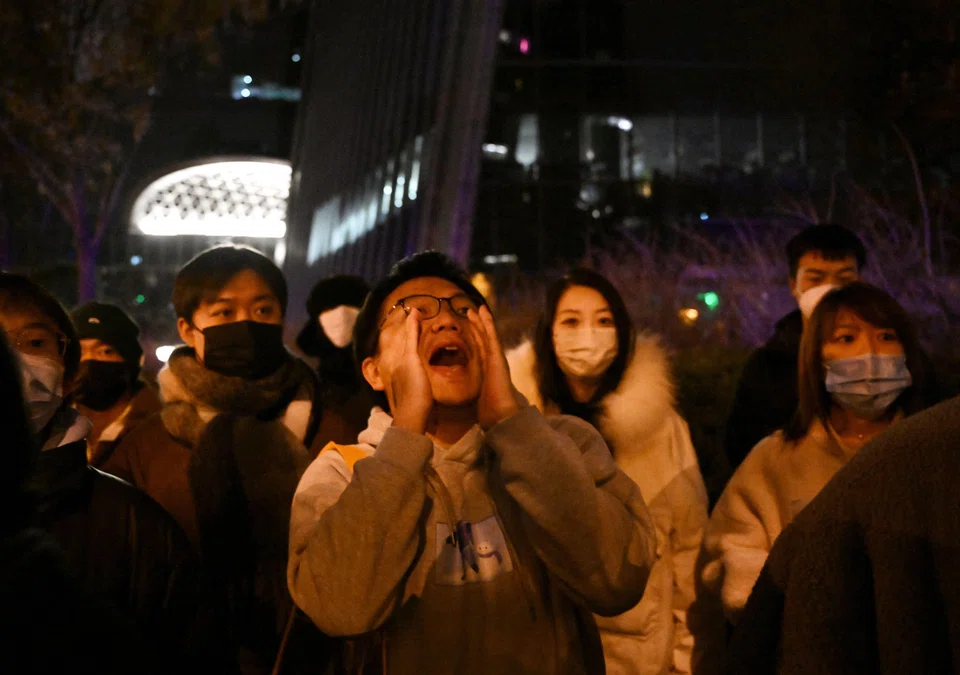
The cold realities of China’s pandemic-led policies – which have been in place since early 2020 but since tightened considerably amid surging Omicron waves – resurfaced on the back of rare protests over the weekend as exasperation and fury heightened over protracted lockdowns across the country. This even more so as the rest of the world has moved on, with reopened economies and borders.
The public fury was triggered by a deadly fire last week in the remote northwestern region of Xinjiang after videos of the incident appeared to suggest that lockdown measures had delayed rescuers from reaching the victims. While China has moved swiftly to quell the demonstrations, the protests – which also called for political change – has piled the pressure on President Xi Jinping to ease the country’s zero-tolerance Covid policy or face more discontent and social unrest. For that reason, there is some hope that there could be positive policy response from Beijing to the protests.
While there remains significant uncertainty, subtle promising signs are evident. Since Nov 11, the Chinese authorities have adopted a progressive move towards reopening, albeit in small steps (it simplified various protocols), even as it continues to adhere to the zero-Covid stance. Even so, the durability of these easing measures remains in doubt.
The fixation and jitters across global financial markets over China’s reopening trajectory are understandable – the uncertainties compound worries about China’s economic impact at a time when the global macro backdrop is facing recession fears amid rising interest rates as policymakers strive to combat soaring inflation. It is hard to overstate the global economic impact if further lockdowns in China ensue, and how much further the resilience of the global supply chain can be tested, particularly ahead of the cold winter months. Beijing is walking a tight rope between containing rising infections and ensuring sustainable growth. The economic costs of protracted lockdowns are apparent with the latest data indicating November factory and services activities having contracted faster than expected. Pundits reckon it is “sensible” that Chinese authorities will continue to finetune Covid controls in the months ahead as part of its efforts to move towards a broader and more comprehensive reopening.
China’s gradual and orderly exit from zero-Covid, eonomists say, will have meaningful macro implications – it will likely be reflationary, lift domestic demand and services, and result in positive knock-on effects for the ailing domestic property sector. However, the economic boost will likely also be lower, they warn, given the still-low vaccination coverage among the elderly (and not least, question marks over the efficacy of the Covid vaccines approved for use in China), and their stretched healthcare resources.
While much of the focus is on when China will relax its Covid policies amid mounting pressure to do so, it is just as pertinent to be cognizant of the risk that it could all be upended, with cities reverting to the strict guidelines, if coronavirus cases surge following the country’s exit from the curbs.