

Union-like voice for platform workers levels the field against Big Tech algorithms
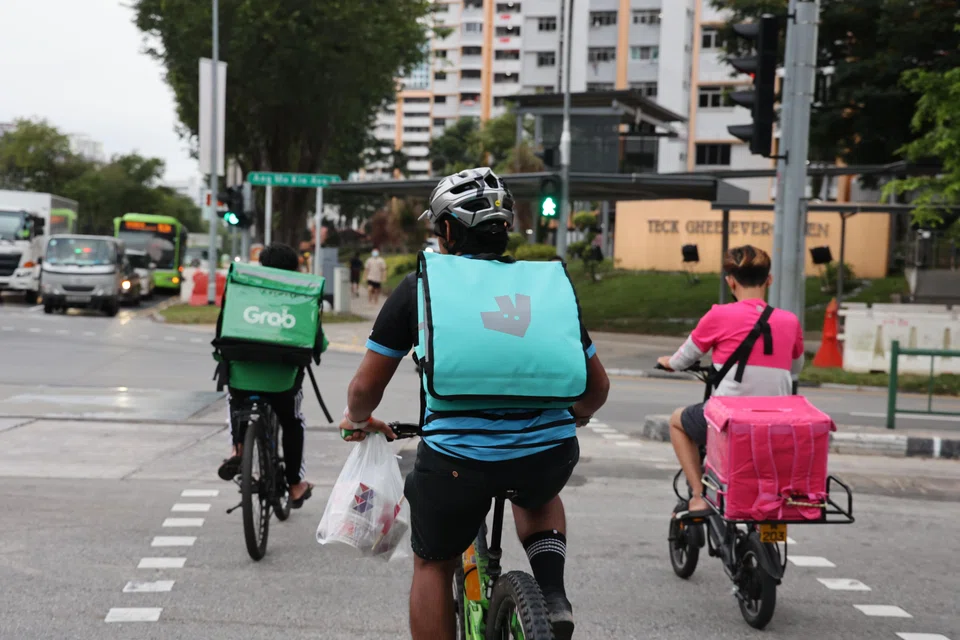
PLATFORM workers are a diverse group, from Grab drivers clocking 10-hour shifts to university students who occasionally deliver for Foodpanda. Granting such a hodgepodge group a collective voice – similar to a trade union – may seem counterintuitive. But it is an important move to mitigate the risks of work governed heavily by matching algorithms.
Singapore is taking a key step forward in this regard. On Wednesday (Jul 12), the government announced that platform workers would be allowed to join representative bodies with similar powers as trade unions, under laws planned to take effect from the second half of 2024. This follows other moves to align platform workers’ retirement savings and work injury compensation with those of employees.
Platform workers are considered self-employed persons, and therefore not eligible for unionisation. They have industry associations, but these are backed by informal agreements rather than a legislative framework, and thus lack the influence of unions.
TRENDING NOW

ComfortDelGro appoints two new independent directors

Once staunchly pro-China, Malaysian Chinese businesses are now distancing themselves from Beijing

NoonTalk needs continued financial support from CEO Dasmond Koh, auditors warn

DP Architects sets the benchmark for sustainability disclosure and design

