Uptick in commodity prices bears close watch
WHILE inflation, the silent thief of purchasing power, has fallen off its peak in most countries, it hasn’t come down to the targets set by the major central banks. This signals that the final stretch of the inflation fight may prove the toughest.
For that reason too, the uptick in the prices of commodities this year bears watching.
The energy complex, heavily weighted on oil, has outperformed all commodities so far this year. Heightened geopolitical risks – the most recent including further war flareups, with Russia’s missile and drone attack against Ukraine last week, and disruptions in the Red Sea – have sparked market fears over tightness in global oil supplies.
Brent, the global crude benchmark, is up more than 12 per cent this year at US$85.17 per barrel.The oil cartel – the Organisation of Petroleum Exporting Countries (Opec) and allies – are not expected to make any changes to the current output cuts when they meet next week. This means the existing voluntary production cuts could extend through the second quarter.
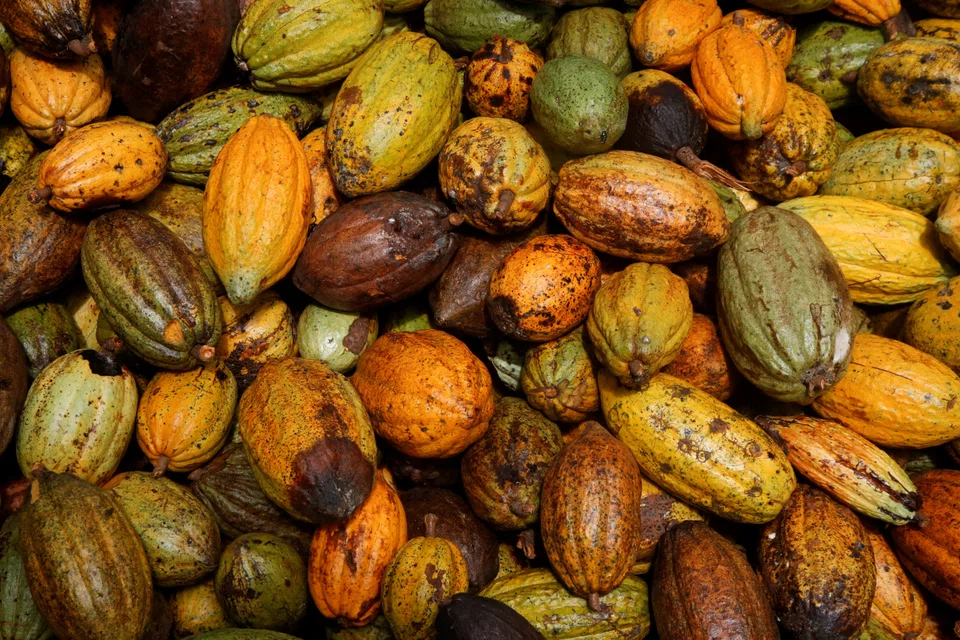
Some “soft” commodity prices such as cocoa and palm oil are also surging while others (including coffee, cotton and sugar) have risen from a year ago. Industrial metals like copper, nickel and aluminum have rallied on expectations of robust demand from the manufacturing and construction sectors.
This could add to business and consumer woes over price pressures.
When it comes to inflation, commodity prices are often the canary in the coal mine – a leading indicator. Their price trends and fluctuations could signal broader changes in the economy.
Take for instance the oil supply shock in 2022, primarily triggered by the conflict between Russia and Ukraine, which saw crude oil prices soar to US$124 per barrel. The spike in energy costs against surging demand post-pandemic sparked worldwide inflationary pressures and monetary tightening by central banks.
Then, as the economic momentum waned, a decrease in energy demand and consumption followed, leading to a decline in crude oil prices from their highs.
Of late, optimism about a global economic rebound has underpinned demand for commodities although lingering uncertainties over inflation, monetary policies and geopolitical tensions cast a shadow over the outlook.
The trajectory of commodity prices, albeit volatile, could signal that the over-two-year-long battle against rising prices is far from over. This is even as consumer prices have eased and the inflation shock has waned. With that, the world’s major central banks seem done with their monetary tightening and are set to start cutting rates soon.
To be sure, no one is anticipating a commodity super cycle such as the one that occurred in 2022 – only the second boom in 20 years, when prices doubled or tripled. Most pundits do not expect energy prices to veer too far from current levels this year as concerns over a potential US recession appear overblown and disruptions from the Israel-Hamas war so far seem relatively contained.
But vigilance is imperative in a climate of volatile commodity prices as sustained upswings could quite quickly lead to pricing pressures. While the progress that has been achieved in restoring price stability in an unprecedented post-pandemic setting must be acknowledged, this could mask the reality that the global economy is still not out of the woods in the inflation battle.