

US-China rivalry and the Kindleberger Trap: Why inaction – not escalation – is the biggest risk
In periods of transition, the greatest threat may not be the clash of powers but the absence of leadership
 Add BT as a preferred source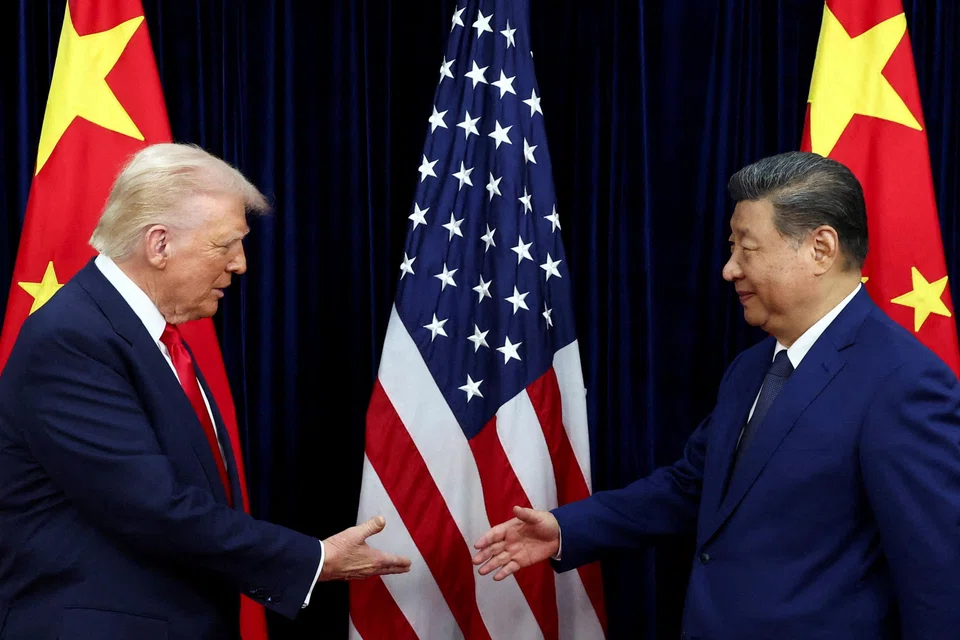
THE intensifying rivalry between the US and China is often framed through the lens of conflict – most notably the so-called Thucydides Trap, which warns of war between a rising and an established power.
Yet, an equally important and arguably more insidious danger lies not in direct confrontation, but in systemic neglect. This is captured by the concept of the Kindleberger Trap, a condition in which global instability arises because the incumbent hegemon becomes unwilling or unable to provide essential international public goods, while the rising power is either unable or unwilling to assume that role.
Originally rooted in the work of economic historian Charles Kindleberger and later popularised in geopolitical discourse by political scientist Joseph Nye, the theory draws on the experience of the 1930s.
TRENDING NOW

On the board but frozen out: The Taib family feud tearing Sarawak construction giant apart

Stocks to watch: OCBC, OUE, SIA Engineering Company, OUE Reit

OCBC consumer banking chief Sunny Quek aims to double wealth business by 2029

Asia’s wealthy families shed taboo on succession planning as US$83 trillion changes hands: UBS

