Wait and see: Malaysia’s renewed push for Johor-Singapore economic link
RECENT news that Malaysia may renew a push for the much-touted and long-aspired plan to establish an economic link between its southern state Johor and closest neighbour Singapore could make businesses and the people on both sides of the Causeway giddy with anticipation.
But if history is to be a guide, any such connection from which synergies and benefits abound will take time and is unlikely to be hiccup-free.
Malaysian-based news outlets have reported that the country’s Minister of Economy Rafizi Ramli has said that the country is mulling the establishment of a Johor-Singapore “economic region” to strengthen the state’s growth potential and that now was the “right time to start the discussion formally”.
If things go well, bilateral talks towards this end could happen as soon as mid-July, at the Malaysia-Singapore Joint Ministerial Committee for Iskandar Malaysia annual meeting.
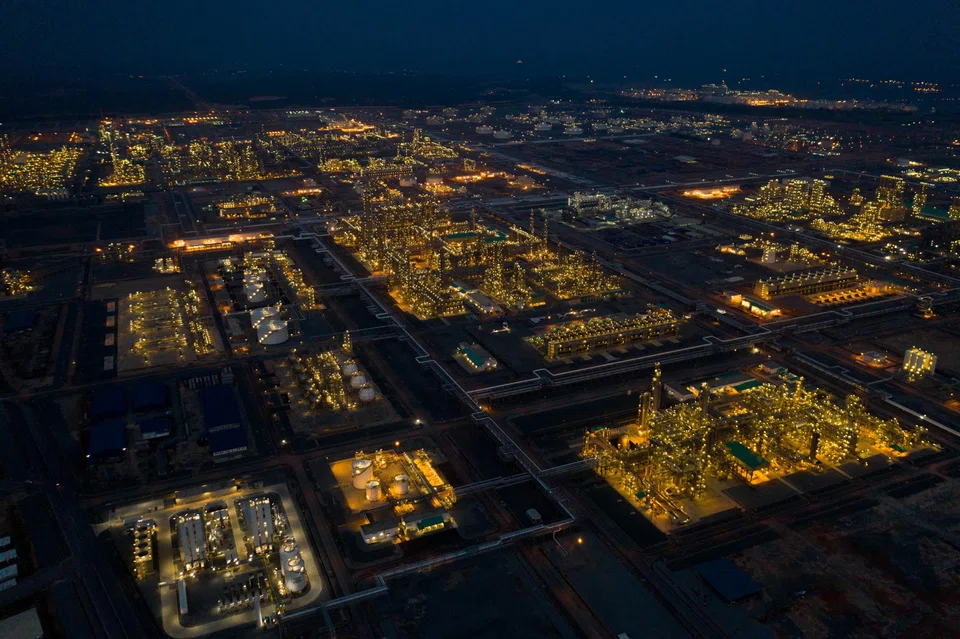
Johor’s allure for Singapore-based companies with ambitions to expand is plentiful. Malaysia’s southern state is blessed with abundant land, natural resources and its workforce – resources which are limited in the city-state.
Malaysia’s very own southern growth corridor Iskandar Malaysia – thrice the size of Singapore – was launched in 2006 and hit a tipping point in 2013. Its prospects had dimmed since then, owing in part to overbuilding in the property space. Conflicting visions (given Malaysia’s volatile politics), disorderly land release for developments, and gaps in the eco-system that hurt businesses’ chances of thriving, also dilute the corridor’s appeal.
Still, the investment figures paint a more promising picture. From its inception to June 2022, Iskandar Malaysia has pulled in nearly RM370 billion (about S$109 billion) in total cumulative committed investments. Of that, some RM150 billion were foreign investments. Unsurprisingly, Singapore was the second top foreign investor over that period, with an investment value of RM25 billion.
Those numbers could grow further if led by a more formal collaboration. To position itself as an “alternative supply chain hub in Asia”, Malaysia wants to woo more “high-value investments” from Singapore in sectors ranging from electrical and engineering, chemicals and chemical products, fabricated metal products, machinery and equipment and transport equipment to services.
The idea of a Johor-Singapore economic link is not new and has been bandied about for years. Lending hope this time is the general view that Malaysia’s current Prime Minister Anwar Ibrahim heralds a new chapter for stronger Malaysia-Singapore relations, relative to what one of his predecessors, Dr Mahathir Mohamad, did.
There is much work to do. While it is a big draw for Singapore-based businesses to also set up shop in Johor, cost-effectiveness alone may not be sufficient to lure investments.
More efficient land-transport connectivity between Johor and Singapore is imperative. Johor will also need to ensure a steady stream of skilled manpower, who tend to flock to the country’s major cities, namely Kuala Lumpur and Penang, and even Singapore, given the lure of better wages.
Indeed, the Johor-Singapore economic link has long been a low-hanging fruit ripe for the picking. Will this time be any different?