Warning signs were long there for Ukraine grain deal
In these dangerous times, nations should diversify their food supply and keep stockpiles
THE Black Sea Grain Initiative was always a precarious arrangement.
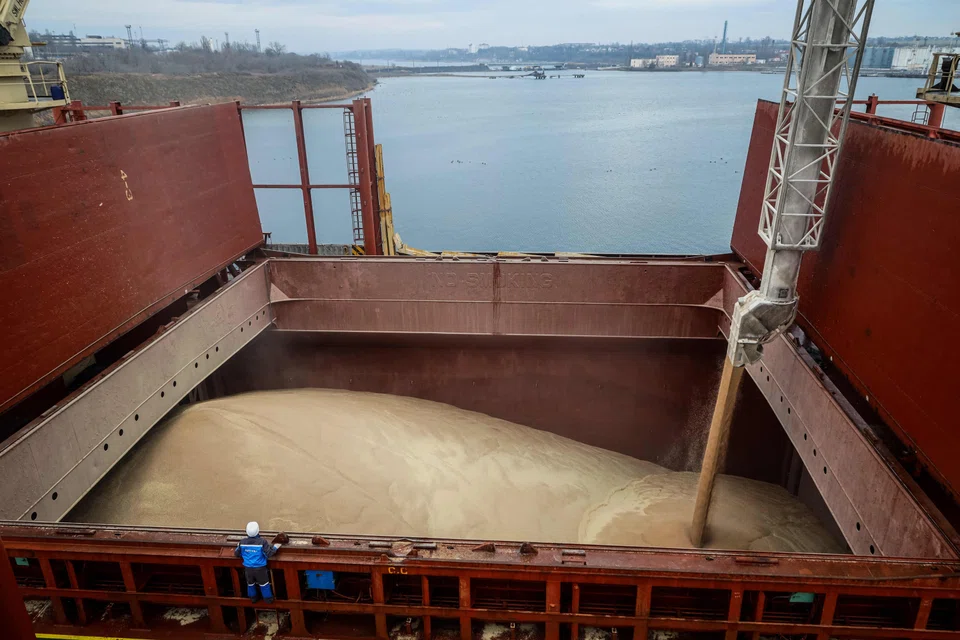
The deal that the United Nations (UN) brokered between Russia and Ukraine – with Istanbul’s help – was instrumental in allowing about 33 million tonnes of food to be exported from Ukraine in the past 12 months. And it may have prevented an outbreak of famine in parts of Africa and in Afghanistan, because it pushed wheat, corn, cooking oil and fertiliser into world markets and forced down prices.
The deal came about when food prices rose because more than 22 million tonnes of grain intended for global markets was stranded in Ukraine, due to Russia’s naval blockade from the outbreak of the war till June last year. The UN and Turkey worked out an emergency accord meant to last 120 days. Signed on Jul 22, 2022, it was extended three more times until Jul 17 this year, when Russia said it was pulling out of the deal.
There have been several warnings of the accord’s impending collapse. Russia had been saying for months that conditions for the deal’s extension had not been met, with the Kremlin wanting an end to sanctions on the Russian Agricultural Bank.
Other demands included the resumption of sale of agricultural machinery to Russia; lifting of restrictions on insurance; and the unblocking of assets and the accounts of Russian companies involved in food and fertiliser exports.
So yes, food has been weaponised once again. And the re-imposition of the naval blockade may hurt those who have nothing to do with the war in Europe.
The World Food Programme, the world’s largest humanitarian agency, bought about 80 per cent of its wheat from Ukraine. Ethiopia, Yemen, Afghanistan and – after a devastating February earthquake – Turkey have been allotted humanitarian shipments of the commodity.
The UN also estimates that Ukraine grain supplies had the effect of forcing down global prices by about 23 per cent during the period when the accord was in force. Before the outbreak of hostilities, Ukraine was the fifth-largest wheat exporter globally, accounting for 10 per cent of exports. It was also among the top three exporters of cooking oil, barley and corn.
But it should be noted that after the war broke out, food supply from the embattled nation was never wholly reliable. Indeed, grain export volume was already declining from a peak of 4.2 million tonnes last October to about two million tonnes this June, because Russian inspectors of grain cargo ships had apparently slowed down. Ukrainian food production was also trending down because of disruptions caused by the war itself.
All of this should have triggered warnings about what was likely to eventually happen. Now, after Russian missile strikes on Ukraine’s Black Sea ports, especially Odessa, no grain shipments are possible. Rail transport via the west will substantively add to costs.
It is difficult to say when or how food exports from Ukraine will resume. Worse, if cluster bombs are used widely in the current phase of the war, there is a danger that great swathes of the fertile plains of Ukraine may be rendered useless for many years to come.
The situation should serve as an object lesson to every country that depends on imported food. Every nation should strive to diversify its supply and maintain a stockpile of essential food commodities for just this kind of disruption. These are dangerous times.