

The warped economics of insuring climate destruction
The insurance industry is exposing itself to steepening losses on natural catastrophe cover
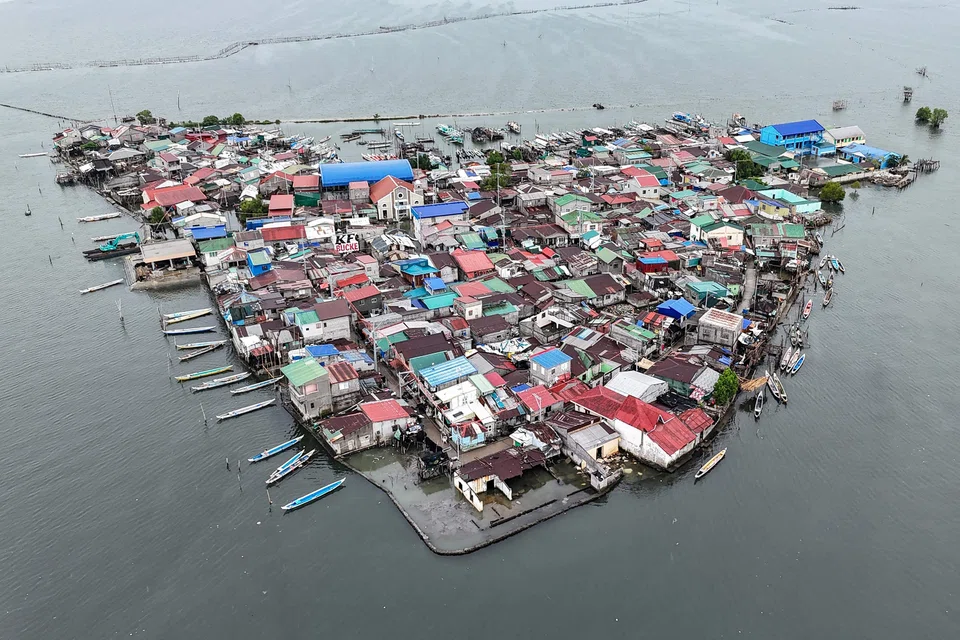
THE United Nations Environment Programme Finance Initiative carries an emotive photograph on its insurance website – a colourful view of Venice, perhaps the best-known global city to face a biblical scale, climate change-induced flood risk. The image’s none-too-subtle message is made all the more poignant by a one-line statement that dominates the middle of the page: “The Net-Zero Insurance Alliance (NZIA) was discontinued as of 25 April 2024.”
The NZIA was ahead of its time – and not in a good way. The initiative had been launched less than three years before that, to help green the insurance industry and nudge the global economy away from fossil fuels and towards more sustainable energy sources. It was killed off nine months before an explicitly pro-fossil fuel, climate-change denier arrived in the White House.
Donald Trump’s election as US president also spiked the NZIA’s sister organisation, the Net Zero Asset Managers initiative, which in mid-January abruptly dropped its net-zero commitment and hid its listing of members (just as they began quitting the organisation).
Only weeks earlier, the Net-Zero Banking Alliance had lost its most prominent members – the likes of JPMorgan Chase, Bank of America, Citigroup and Goldman Sachs. Last month, it polled members on a “proposed transition from a membership-based alliance” to a vague “framework initiative”. (It promises to reveal the outcome of that this month.)
The umbrella organisation for all these sectoral net-zero groups, the Glasgow Financial Alliance for Net Zero, or Gfanz, founded after the 2021 COP climate summit in the Scottish city, has been similarly watered down. On the eve of Trump’s arrival in the White House, Gfanz revealed it would merely encourage financing of the energy transition, with its net-zero aims dropped.
It is against this background that Lloyd’s of London, the global insurance marketplace, came clean about its own retreat from climate commitments. New chief executive Patrick Tiernan told the Financial Times in an interview this month that he would grant underwriters “more freedom” to cover fossil-fuel risks. The market should remain “apolitical”, he said, adding it was “important we don’t wade into issues we don’t need to”.
The stance is starkly different from the words of Bruce Carnegie-Brown, chair until the summer, in Lloyd’s debut 2020 report on environmental, social and governance issues. He said then the market would “help accelerate society’s transition from fossil-fuel dependency towards renewable energy sources”. Cover for risks including thermal coal, oil sands or Arctic drilling would be phased out, he said.
Within a few months, said sources close to the situation, a backlash from underwriters and concern from lawyers and regulators about a potential legal challenge on competition grounds had exploded the policy – but this was never publicised.
Lloyd’s 2021 report used softer language to merely “encourage” underwriters to trim fossil fuel business. The topic was dropped altogether from subsequent reports. Lloyd’s said it could not provide a breakdown of how much business its underwriters do in the area, or its evolution.
Tiernan’s openness about the policy is welcome. But the dilution of the ambition is as regrettable as the broader trend of governments and commercial entities kowtowing to the US backlash against “excessive” green policies.
Many have pointed out the irony of Trump’s anti-climate stance, given the very obvious evidence of worsening climate risks, not least in the US. An insurance industry that enthusiastically underwrites the most extreme anti-climate risks – from thermal coal to Arctic drilling – while simultaneously exposing itself to steepening losses on natural catastrophe cover is similarly warped.
For the financial sector, a net-zero ambition is not virtue signalling, as many Trumpists would claim. It is smart long-term business strategy. For the insurance sector specifically, it could ultimately be existential.
Given the bleakness of such dynamics, it can be heartening to spot glimmers of good news. And one such may exist in that icon of flood risk: Venice. The new Mose dam seems to be doing a good job of protecting the Venetian lagoon. Early this year, the Italian government estimated the project had prevented 2.6 billion euros (S$3.9 billion) of losses in five years. That should, in time, translate into cheaper, more profitable insurance policies to cover the remaining flood risk – at least for a while. FINANCIAL TIMES
TRENDING NOW

Once staunchly pro-China, Malaysian Chinese businesses are now distancing themselves from Beijing

New launch or resale unit? Here’s a guide for homebuyers
The lesser-known prospects in the Asian chipmaking supply chain

Cliff Tan has 7 million followers and a 4-month waitlist. Why won’t he expand his business?

