Water sommeliers: A profession that’s more than ‘still or sparkling’
Water can be rich and diverse, say those perfecting the art of hydration

WHICH wine would you pair with a lamb chop? If you’re a wine sophisticate, you may come up with an answer in mere seconds.
But what if I asked: which water would you pair with lamb?
It’s a serious question with serious answers. Enter the world of water sommeliers: experts with a refined palate for water in all its varieties: be it from mountains, aquifers, volcanos, icebergs… or even just the good ol’ kitchen tap.
To these professionals, still waters – and sparkling ones – run deep. Sommeliers assess water on a variety of attributes, such as carbonation, acidity or alkalinity, hardness and “virginality”, or how protected the water source is from its surroundings. And they even recommend food pairings.
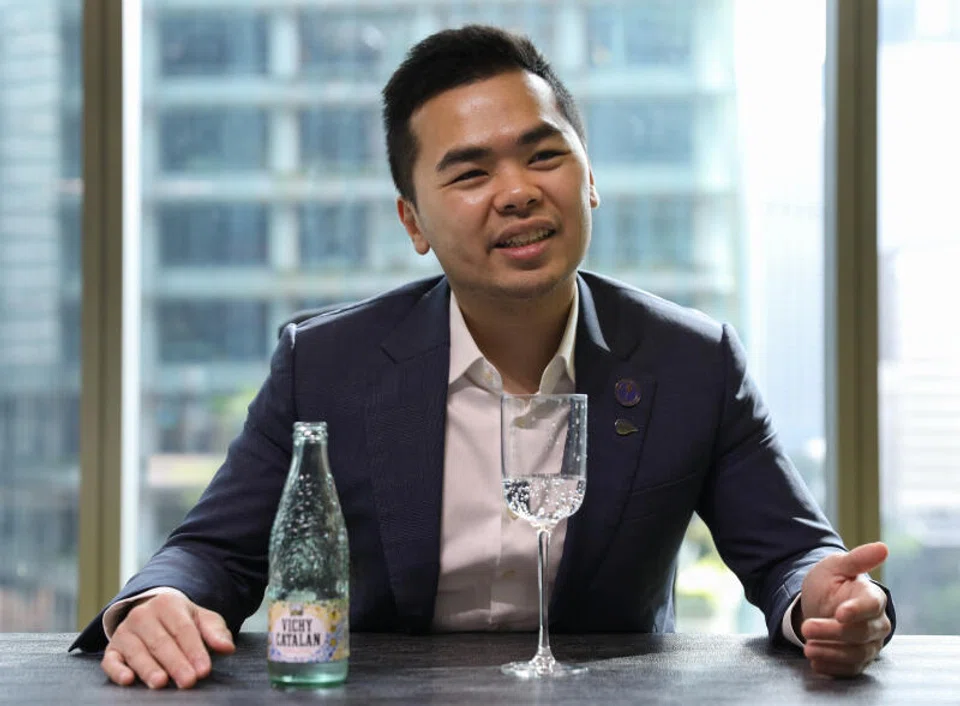
“There’s so much more to water than Ice Mountain, Dasani and Evian,” quips Sam Wu, a 33-year-old certified water sommelier in Singapore, who runs a mineral water distribution business and conducts water tasting classes.
Water sommeliers aren’t too different from other beverage connoisseurs, he reckons. All of them rely on technical expertise and a love of sharing the craft. But the taste of water is a lot more challenging to distinguish and describe.
“For coffee, tea and wine, you have more adjectives to play with, because your sense of smell comes in. Most of the time when you are tasting these other beverages, you are tasting with your nose rather than your tongue. The floral, fruity and woody notes come from your sense of smell rather than your sense of taste… But when it comes to water, it’s quite limited because you don’t really smell anything,” Wu explains.
That limitation does not make water appreciation shallow. Sommeliers such as Wu pay close attention to the chemistry, namely how the presence of various minerals affects taste profiles.
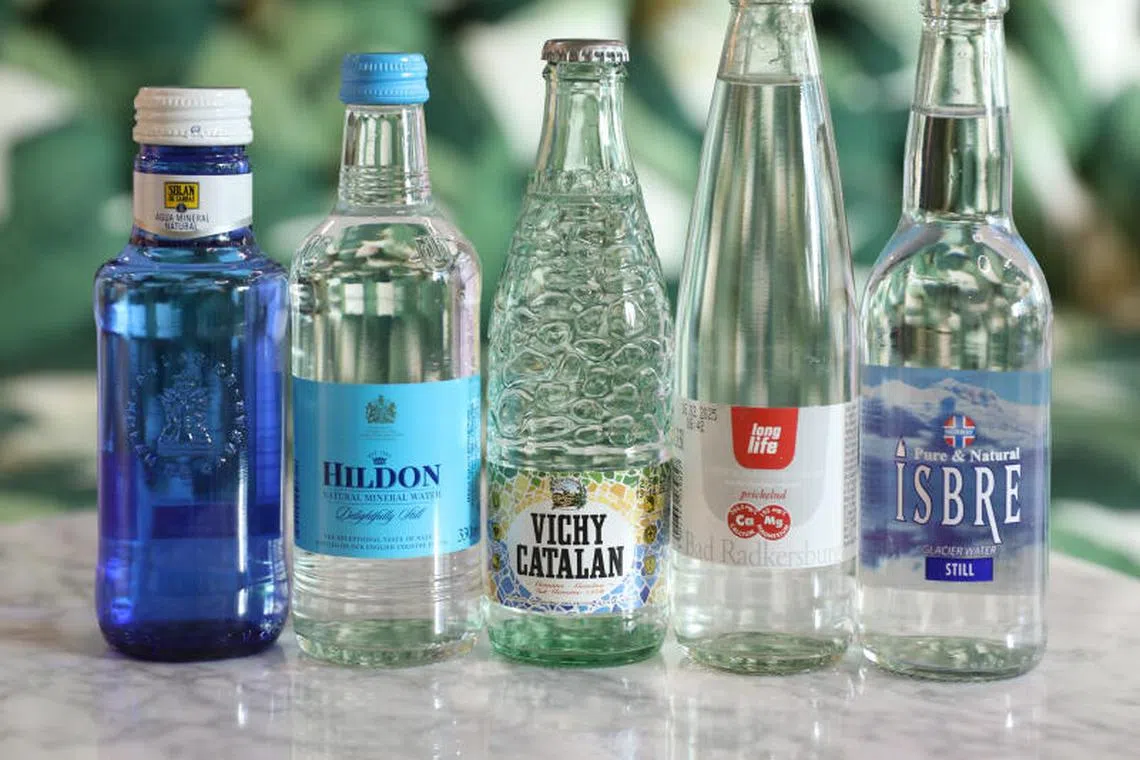
He hands me a wine glass filled with Vichy Catalan, a 142-year-old brand of sparkling mineral water from Catalonia in Spain. The first sip makes me reel back, but I immediately crave another sip. The water packs a punch with powerful carbonation, but is also strangely savoury.
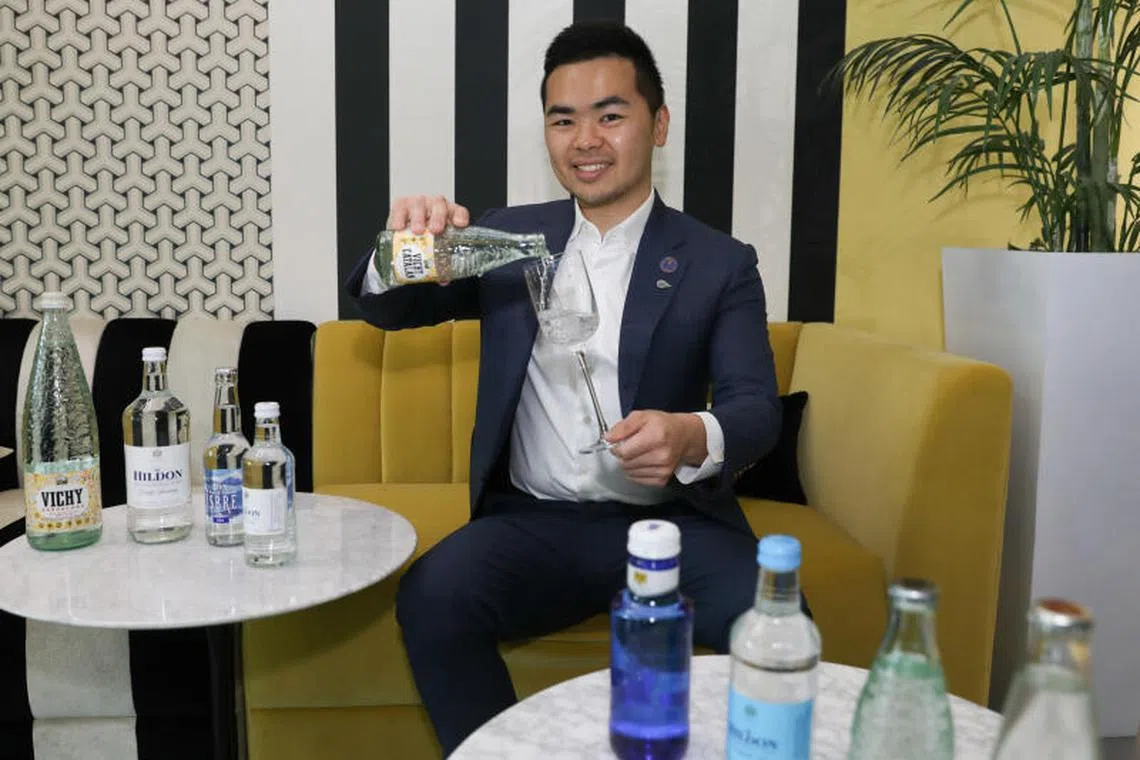
“It is the mineral water equivalent of an aggressive scrub down at a bathhouse or a deep tissue massage: punishing, purgative, purifying,” says the culinary website Bon Appetit.
The reason for this is the high content of sodium bicarbonate – yes, that’s baking soda – that naturally occurs in the water. An intense water variety such as Vichy Catalan would pair well with rich meats.
“It’s high in minerals, quite heavy on the palate and salty. This would go with something strong, like lamb or beef. Sodium elevates and sustains flavours; whereas a low-mineral water would be palate cleansing,” says Wu.
He offers me another glass of water, this one branded Long Life, from a spring in Bad Radkersburg, Austria. The water is mild and pleasant, with a sweet aftertaste arising from the high magnesium content.
The brand itself is said to have a quirky origin story. In 1927, the people of Bad Radkersburg drilled the ground hoping to find oil, but all that gushed out was water. It was only decades later, in the mid-1950s, that they recognised the water’s unique mineral properties.
“Niao” about water
While Wu enjoys fine waters such as Vichy Catalan and Long Life, he is no snob about drinking from the tap. He thinks tap water by itself is a “far superior alternative” to highly purified or distilled bottled water that is void of minerals.
In our buy-and-throw culture, it is easy to consume a bottle of water without a second thought about its origin, contents or flavour. Water sommeliers such as Wu remind us of the value in slowing down and appreciating what we’re drinking.
“I’m sure there are a lot of people who are quite niao about water,” says Wu, referencing a Singlish term that means “fussy”.
As he sees it, the craft of being a water sommelier is all about “sharing knowledge with people, to let them understand what exactly they are drinking, so that they can decide what’s the best water to buy for themselves”.
“It’s very meaningful, because people will come up to me and say, oh I’m so happy that I finally understood something important,” he says.
The art of water tasting is just one of many weird and wonderful phenomena out there that can teach us plenty about the world we live in. Every month, this column will go off tangent from the news and look into more curiosities in various fields, from finance and economics to science and psychology, or even beyond.