
THE BROAD VIEW

What Formula 1 can teach us about data insights

Real-time data counts on the race track – and can make a difference on the factory floor too
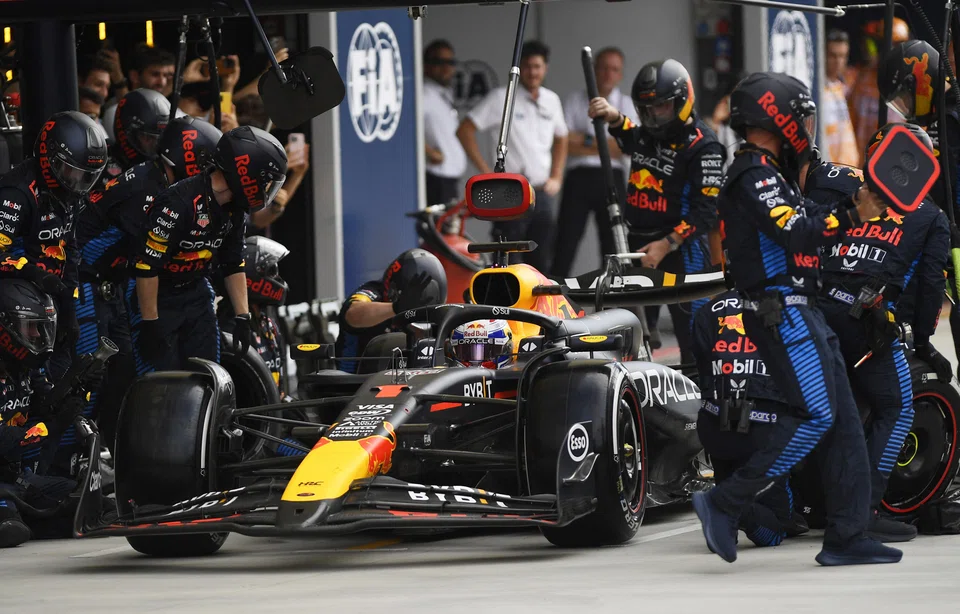
    • Sensors that track vehicle performance allow engineers to make tweaks to achieve maximum speed and control.
    • Sensors that track vehicle performance allow engineers to make tweaks to achieve maximum speed and control. PHOTO: REUTERS
    Published Sat, Sep 21, 2024 · 05:00 AM

    IN THE high-stakes arena of Formula 1 (F1) racing, the margin between victory and defeat is measured in milliseconds. The best F1 teams understand that the success of every race-day decision is predicated on the time it takes for data to travel from input to action.

    What enables this information transfer? Real-time data streaming.

    From car design to engine performance to driver biometrics, data has long played a pivotal role across the sport. But this has shifted into a higher gear with real-time streaming, which has become a game-changer for F1 – and can transform businesses as well.

    Flow, not batches

    A race isn’t won with stops and starts. Yet, that’s how insights are gathered with batch data processing: vast amounts of data collected during a race are stored for analysis to inform strategy at the next competition.

    That approach works for less time-sensitive data that can be sent to engineering teams back at headquarters. But the crucial information needed to make decisions while on the track? That won’t wait.

    Real-time data streaming ensures that the million or more data points collected every second in the car can be analysed in a near-instant, fuelling swift, smart decisions that lead drivers to their win.

    Such streaming offers three advantages for F1 teams: immediate insights, enhanced accuracy and increased agility.

    When data is available almost instantaneously, teams are better positioned to react to changes on the track as they happen. The continuous data flow also reduces the risk of errors that can occur with batch processing, ensuring decisions are made based on the most reliable information.

    Teams can rapidly adapt their strategies accordingly and leave others in the dust. For instance, sensors track vehicle performance, allowing engineers to make tweaks to achieve maximum speed and control. When it comes to tyre pressure and temperature, the tiniest of deviations from the ideal range can significantly affect performance.

    While not affecting strategies per se, driver biometrics are crucial if things go wrong. Biometric gloves relay data about drivers’ pulse rates and blood oxygen levels to medical teams, so they are equipped with knowledge of a driver’s vital signs in the event of an accident.

    In a similar vein, businesses can leverage real-time insights, performance, and trends to stay competitive in a saturated market.

    In industries like manufacturing, real-time insights enable companies to predict maintenance issues or reduce downtime, thus improving operational efficiency.

    Businesses can also use real-time data to optimise inventory levels, preventing both overstocking and running out. Retailers, for instance, can dynamically restock popular items or hold off on slow-moving products.

    Gaining fans

    Fans are the source of F1’s explosive growth, and their experience of the sport has also been reshaped by real-time data streaming.

    Fans can now get up-to-the-minute information – tailored to their personal preferences – on driver positions, lap times, sector times, and gaps between cars, making it easier and more exciting to follow race progress from the grandstand.

    Those watching at home can get live updates from digital platforms, and enjoy augmented reality (AR) experiences that offer new ways to engage with race weekends.

    Virtual events such as Q&A sessions with drivers, watch parties and interactive fan zones further strengthen fan loyalty beyond race venues. As over 99 per cent of F1 fans tune in remotely, an immersive online experience is vital to fostering a connection.

    In business, prioritising customer experience and satisfaction is key for brand longevity and success – and here, too, speed can help. Immediate and effective responses to inquiries or complaints can significantly enhance customer satisfaction and trust in a brand.

    Businesses can use artificial intelligence-powered chatbots and advanced customer relationship management systems, enhanced with customer data, to track interactions and provide immediate help, ensuring that service is consistent and personalised.

    Timely information is also crucial for creating a positive customer experience. At airports, for example, timely information on delayed flights, gate changes, or weather disruptions can help travellers adjust their plans accordingly, lessening the impact of these occurrences.

    With advancements in AI and machine learning, the analysis of data streams will become even more sophisticated, offering deeper insights and more predictive capabilities.

    Innovations in real-time data streaming will continue to drive both F1 and businesses forward, pushing the boundaries of possibility.

    The writer is senior vice-president for Asia-Pacific and worldwide ISV (independent software vendors) at Confluent



