

When governments intervene
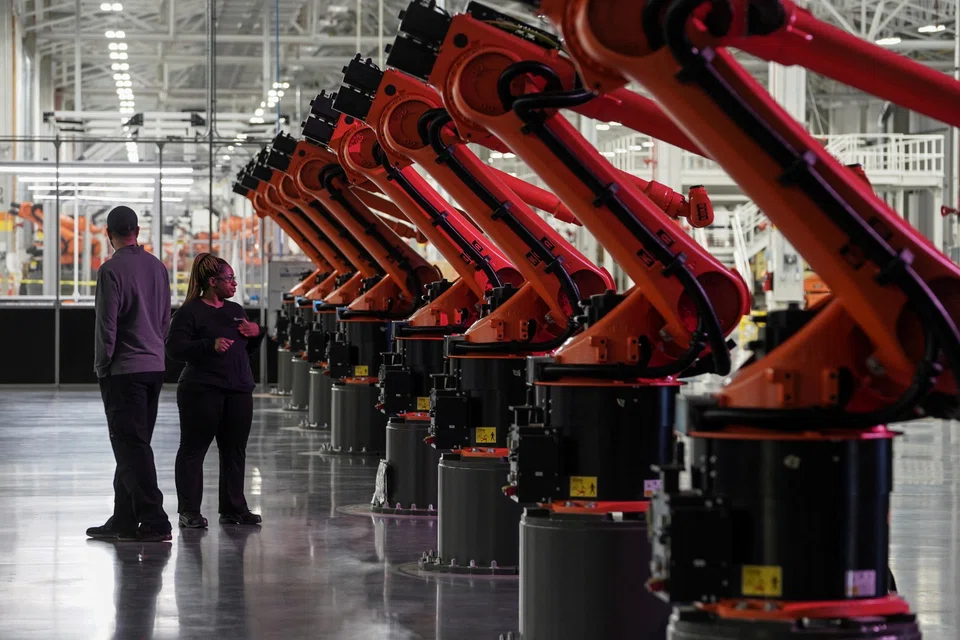
INTERVENTIONS by governments are increasingly having an impact on businesses. Developing countries, including some in our region, are usually perceived as facing a higher risk of this. But now governments in the United States and other countries are acting with fewer constraints, and for new reasons.
The pandemic re-emphasised concerns about security and scarcity. Citizens expect governments to respond in times of real and urgent need. Moreover, slogans of narrow “me first” nationalism have been re-energised following Donald Trump’s presidency. National champions and state-owned enterprises can find favour to the detriment of others.
Every intervention may seem different in purpose. Yet they support a broader conclusion: officials around the world today are more ready to intervene in what was previously left to market competition. Why is this the case, and what can companies do?
TRENDING NOW
Easy to rent out, hard to sell: Are buyers losing interest in Singapore’s one-bedroom condos?

GovTech retrenches another 38 staff in second round of layoffs

Stocks to watch: Seatrium, CapitaLand Investment, Keppel DC Reit, Suntec Reit, CLCT, TSH Resources
World’s largest offshore wind platform by Seatrium consortium on track to be completed by 2028

