When IBM acts like a penny stock, something is wrong
The tech MNC’s stock has gyrated this year, both plunging and soaring by historic amounts
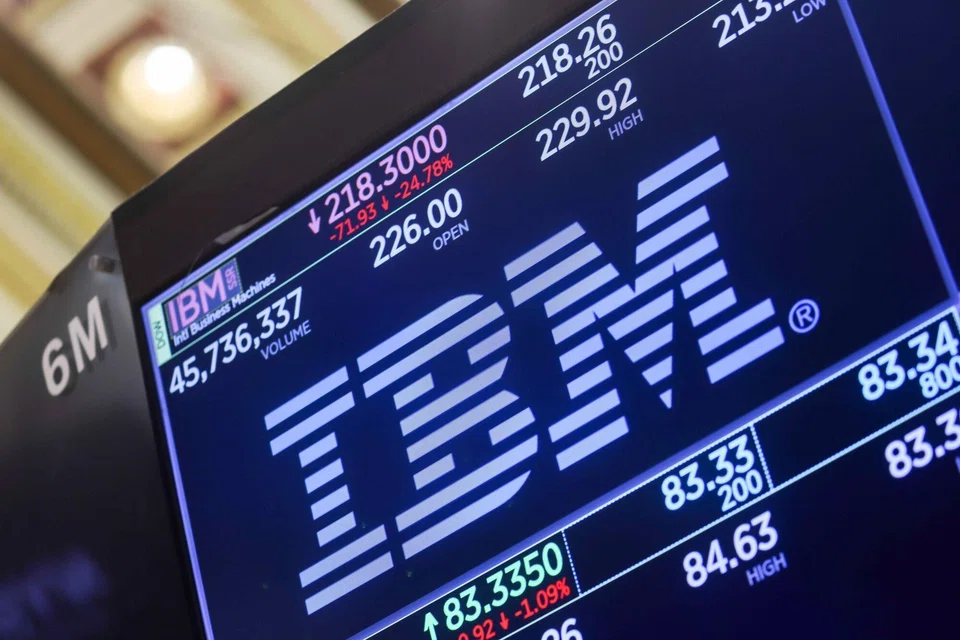
YOU’D be forgiven for mistaking the shares of blue-chip International Business Machines (IBM) for a penny stock these days.
The year is barely half over and already we’ve witnessed headlines announcing IBM’s biggest one-day decline since 2000 in February, its biggest one-day rally since 1968 in May, a new record high in June and, just on Jul 14, its biggest one-day plunge since 1968.
The shares plunged 25 per cent to US$217.07, the largest single-day loss since at least Jan 3, 1968, the earliest date for Bloomberg’s pricing data on the stock.
If the stock market looks to you a lot like one giant casino that has become unhinged from things such as revenue, earnings and basic economics, you’re not alone. Outright gambling has replaced reasoned investing.
Regulators seem more interested in finding new ways for the public to place bets on stocks than protecting the integrity of capitalism’s embodiment.
There are now more exchange-traded funds (ETFs) than individual stocks. A growing number employ generous leverage to amplify potential gains (which works well when the market is rising but can cause a wipeout when it falls).
One clever financial engineer even filed with the Securities and Exchange Commission for the first ETF that “seeks to provide capital appreciation through exposure to a portfolio of derivative instruments known as ‘event contracts’ across a variety of sporting events”.
That’s right – it would allow you to gamble on sporting events by purchasing a share of an ETF on a stock exchange.
“If the stock market looks to you a lot like one giant casino that has become unhinged from things such as revenue, earnings and basic economics, you’re not alone. Outright gambling has replaced reasoned investing.”
ETFs look quaint in comparison to the more exotic alternatives being offered to gamblers – sorry, I meant “investors” – in recent years.
Those include things called “zero-day options” that expire the same day. These derivatives have become so popular that such contracts tied to the benchmark S&P 500 Index surpassed all others in the fourth quarter of 2024 for the time, just two years after they were introduced, according to Bloomberg News.
Then there’s the effort to create a digital token, or “coin”, that represents shares in a public company but offers the owner no rights such as the ability to vote on directors, compensation or other actions.
Prediction markets want in on the action, proposing contracts as simple as betting on whether a stock price will rise or fall.
Some say this is all about “democratising” finance by giving more of the public access to money-making opportunities once reserved for big institutions and the wealthy.
They also claim that all the different ways to speculate helps with “price discovery”, making the current share price of any company a truer representative of its value.
The latest plunge in IBM’s shares came after the Armonk, New York-based company reported preliminary second-quarter sales that fell short of forecasts, blaming customers shifting their spending to chips and servers amid AI-fuelled shortages.
Fair enough, but I guess investors no longer care about the US$2 billion IBM received in May from the government to build a foundry for producing quantum computing chips, which sent the shares soaring as much as 13 per cent in one day?
It’s impossible to know whether the stock market’s reaction to IBM’s poor results would have been any different if we didn’t have all these new and different ways to speculate.
But it’s also hard to deny that they are exacerbating volatility in ways that you generally see in the so-called pink sheets or emerging markets. And that’s not a good look for what is supposed to be the embodiment of capitalism. BLOOMBERG