When investing, don’t succumb to AI fear
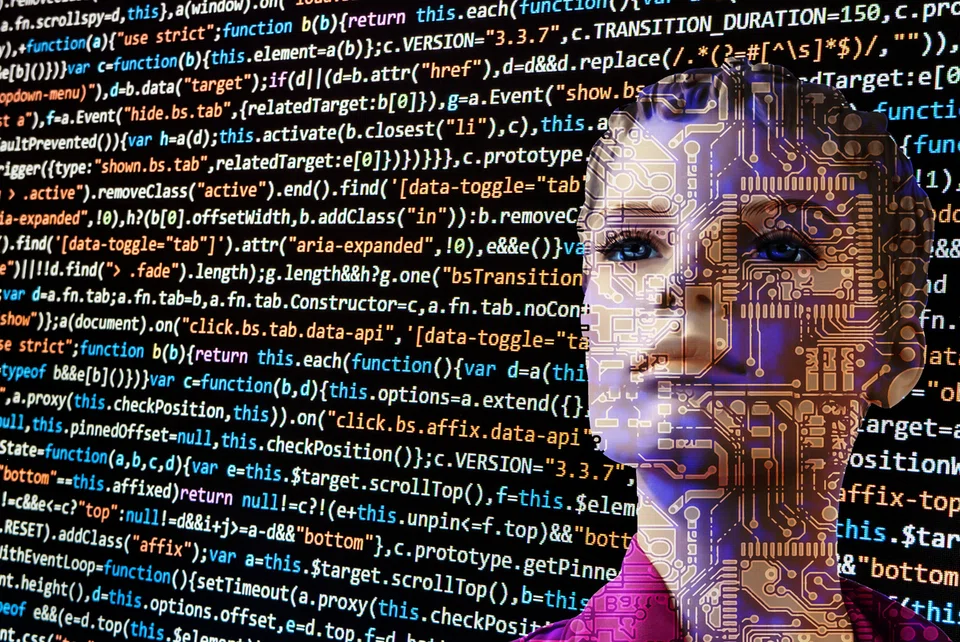
IT HAS been 10 months since ChatGPT’s debut sparked an artificial intelligence (AI) craze. Society still can’t conclude what this implies.
One recent survey illustrates the ideological split: Roughly half of Singapore’s respondents said they fear AI. The other half said it will boost Singapore’s economy.
Hyper-enthusiasts go further, and see AI as a highway to vast wealth: the next dot-com-style boom. Which is it?
My answer: Neither and both. AI represents both opportunity and risk. The reality is nuanced and a little dull.
AI conjures fantastic, futuristic visions of sci-fi robots, good and evil; wild tales fanning hope, greed and terror. I call this “FEAR”, short for False Evidence Appearing Real.
AI broadly consists of programmed algorithms that have learned to generate text, images, video, code or other outputs, based on oceans of data absorbed via prior programming.
ChatGPT and other large language models are generative AI, spitting out near-human responses to simple prompts. They seem intelligent, but in fact merely regurgitate prior programming.
AI fear fans all manner of angst and hype. Among today’s worries:
- Deepfakes, which are AI-edited media made to alter someone’s recorded words or actions;
- Identity theft scams using AI-cloned voices and stolen personal information;
- Cybersecurity concerns; and
- An alleged AI investment bubble.
In America, one cybersecurity official warned AI is a potential humanity extinction event.
Singapore’s Model AI Governance Framework and AI Verify testing toolkit have done little to quell such fears, as officials eschew formal AI regulation.
Meanwhile, the AI-devoted say it will save the world – suggesting a utopian future and massive early-investor gains.
Both sides should slow down.
For starters, even bubble believers admit AI returns aren’t white-hot like past bubbles. Some say the run-up is already ending. If so, it wasn’t much of a bubble.
AI’s social impact – whether on jobs, privacy, security, Big Tech power or something else entirely – is completely unknowable. Good things could happen. Or bad. Or both!
AI could also amount to very little, fizzling like the initially widely hyped self-driving cars or last decade’s at-home 3D printing hype. Remember that? Do you have a 3D printer at home?
Regardless, AI’s future will evolve slowly. Technology adoption moves unpredictably over many years while creating background noise for stocks, which focus on earnings approximately three to 30 months out, not the far future.
Current AI scams present some immediate risk, but rats always lurk. Potential global regulation is the greater broad market risk. Even well-intended rules bring unintended consequences.
What about AI’s supposed economic and market magic? AI gusto helped fuel global tech stocks’ 35.9 per cent gains year to date. Semiconductors – crucial for AI development – led tech’s rise, soaring 62.3 per cent.
Yet, tech’s 2023 leadership isn’t primarily AI-driven. It hinges more on quality growth and relief from big 2022 declines.
Consider: Torpid global growth – such as Singapore’s barely-positive 0.3 per cent annualised Q2 GDP reading – sustains recession fears, which worsening Chinese economic data only further fuel.
True all-weather growth stocks are rare, so investors have bid them up big-time. AI-tied tech is part of that, but no game-changer yet.
Having polled hundreds of companies, I can say its present practical uses are mundane: efficiency gains from automating repetitive tasks, cost reductions and marketing fluff.
Research shows ChatGPT’s coding and calculating abilities are actually getting worse. Newer versions often flunk basic maths questions.
AI isn’t even new. Tech startups pursuing AI attracted venture capital for years before ChatGPT. Big tech companies used profitable divisions to subsidise AI research and development – providing an advantage over most tiny startups.
The computing power needed to train these systems is massive, and massively expensive. Big players in chips, software, data analytics and search dominate AI.
Taiger, an AI startup backed by the Singapore government-owned startup developer SGInnovate, shuttered its Singapore headquarters last year.
AI pure plays are few, and attempting to pick long-term winners is folly – as Taiger illustrates.
Buying them now means guessing which startups’ margins will justify premium valuations. No one can do so accurately. Most are private companies – illiquid with sketchy valuations.
Don’t succumb to “fear” when investing. Whether AI spurs excitement, worry, ambivalence or some other fickle feeling, be clear-headed.
Some AI exposure may be beneficial, but don’t make it the deciding factor in owning or avoiding a stock or sector. Intelligent investing means seeking high-quality growth first – at home and abroad. That is the cake. AI is just the icing.
The writer is the founder, executive chairman and co-chief investment officer of Fisher Investments, an independent investment adviser serving both individual and institutional investors globally