When stock phrases mean, ‘I don’t know’
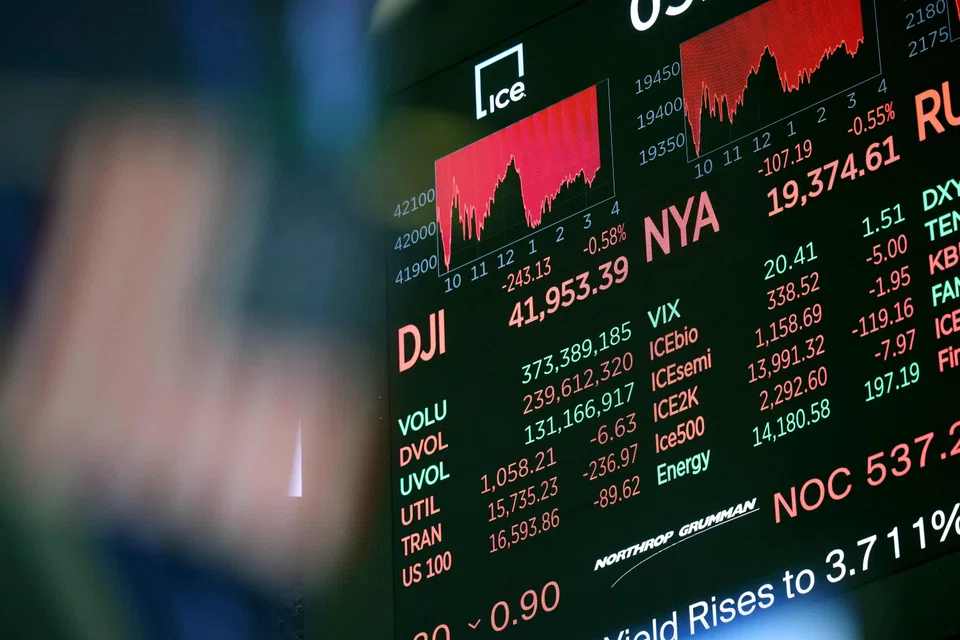
WE SOMETIMES see market commentators describe a fall in stocks after a strong rally as “a healthy correction”, implying that a normal uptick will soon resume and there’s nothing to worry about.
But if you think about it – if a fall is “healthy”, then logic dictates that the prior rise must have been “unhealthy”, yet this is very rarely heard when prices are surging.
(Conversely, if one believes a large rally to be “healthy”, then it must follow that a subsequent fall must be “unhealthy”.)
To be honest, “this is a healthy correction” or its variant “the market is taking a breather” are meaningless cliches that, over time, have become mainstays of the stock market’s lexicon. Unfortunately, their use is commonplace.
Similarly, so are phrases like “bargain hunting” to describe market bounces and “profit-taking” to describe falls, both terms actually conveying virtually no useful information to readers.
After all, if some people sold because they wanted to “take profit”, then what about the buyers who presumably would only have bought because they wanted to make a profit?
Since every sell trade is matched with a buy, why not then describe a market fall as “profit-making” instead of the more common “profit-taking”?
As a market reporter for 25 years, I frequently struggled to avoid using these stock (pardon the pun) phrases because when you think about it, they are, like many other terms, nothing more than space-fillers.
Stock prices rise and fall because of changes in expectations about interest rates and inflation, earnings, the economy and risk. On a day-to-day basis, these expectations may shift because of fresh data that alter perceptions of what the future may hold.
Here, movements in the Straits Times Index usually but not always correlate, not only with Wall Street’s overnight performance, but also with how the futures contracts on the major US indices trade during Asian trading hours.
A large fall in the Dow futures during the day, for example, could easily negate the impact of an overnight rise because traders believe Wall Street looks likely to open weaker in the session ahead and are therefore positioning themselves accordingly.
When inflation is the glue that holds the US Treasury and equity markets together, as it has for the past four years, changes in bond yields also play a key role in the behaviour of stock prices.
Furthermore, whenever a month or quarter draws to a close, turnover on the final trading day often rises sharply along with the benchmark indices.
This sort of abnormal movement can often be traced to period-ending “window-dressing” which, according to online resource Investopedia, is when “fund managers might replace non-performing stocks near the end of a reporting period to make it seem as if a fund is performing better than it is”.
Sometimes, sharp movements come about via concerted short-selling followed by short-covering rather than “profit-taking” and then “bargain hunting”, but the latter terms are more commonly heard, possibly owing to the difficulty of obtaining accurate short-selling data.
Such boilerplate phrases, commonly used by many a market reporter, are actually born out of expediency, pulled out because readers quite reasonably want to know why stocks rose or fell, yet those reporting on the markets often aren’t sure of the reasons or simply don’t know.
I, for one, am as guilty of resorting to their use when I first started reporting on the market. At the back of my mind, though, was always this nagging thought: surely readers deserved better?