

Whither the strength of the Fifa brand?
Can the football governing body build another great game following its split with EA Sports, its decades-long partner for the most successful video game franchise of all time?
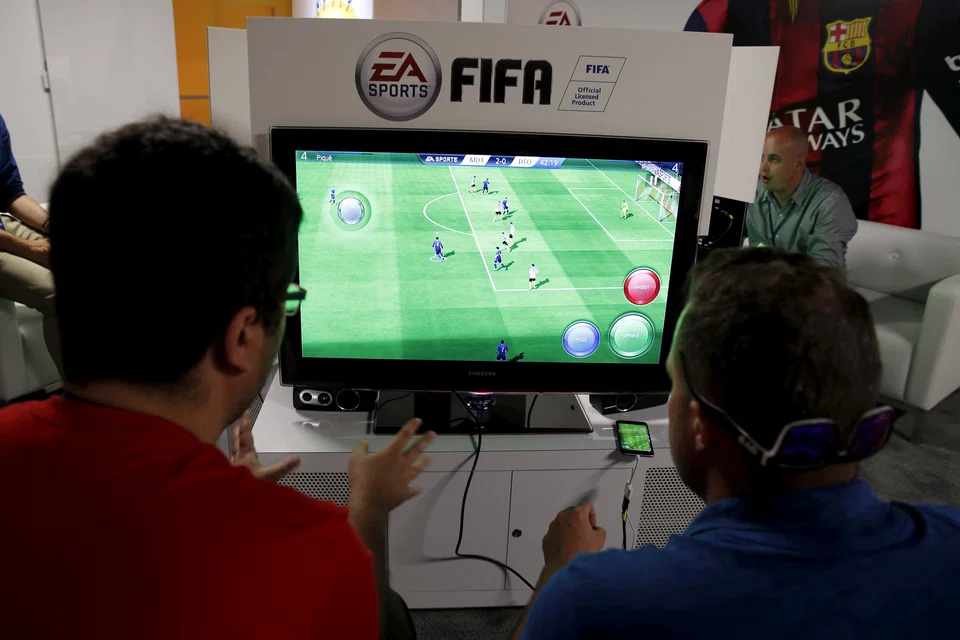
WHEN a brand has had zero competition for 30 years, it can make strange decisions.
Back in May, the football governing body Fifa and the gaming studio EA Sports announced they would be parting ways and no longer creating fresh versions of the enormously popular football game franchise Fifa.
A final edition of this franchise called Fifa 23 was released in September 2022. There will be no Fifa 24 next year, at least not under the present commercial relationship.
The official divorce date will kick in after the current Fifa World Cup in Qatar, but the two said they would stay together for the children until after the Fifa Women’s World Cup in July-August 2023.
The question is: while Fifa is a big brand in sports, is it big enough to drop a successful partnership with a major gaming studio and go shopping for a better software replacement? Fifa boss Gianni Infantino seems to think so.
Infantino said in a statement that Fifa 24 will still appear next year and will be the “best one available for gamers and football fans”, but the organisation hasn’t yet found a studio to build or license the new software.
Meanwhile, EA Sports also plans to release its own game next year. The promised game has the clunky and unsexy title “EA Sports FC”, but the studio also has partnership deals with La Liga, the Premier League, Serie A, MLS and the Bundesliga, which are all giant names in the football world.
The breakup was confounding because EA Sports and Fifa have made a lot of money together. Debuting in 1993 with Fifa International Soccer for the Sega Genesis console, a new version was released annually for the last 30 years, generating a total of US$20 billion in revenue for EA Sports.
Fifa’s cut for licensing its brand was about US$150 million annually. Not a bad deal at all.
Fifa has no competitors, but EA Sports has fought off challengers in the past. In the 2000s, “Pro Evolution Soccer” (PES, now called “eFootball”), developed by Japanese studio Konami, offered a great alternative to the Fifa franchise. But it lacked licensing for team names, which meant famous Fifa-associated clubs like Manchester United had to be called Man Red to get around this constraint.
Many gamers considered the PES game to be qualitatively better than the EA Sports’ version. In fact, the preference for PES rapidly forced EA Sports to fix its bugs and broken gameplay so it could overtake the PES hype. But once it was back on top, the pressure on EA Sports to improve its gameplay evaporated.
Ever since then, fans of the Fifa franchise have complained about stagnation in the quality of the game because that’s what happens to companies with monopoly positions. With there being no competition pressure whatsoever, no resources are funnelled to innovation.
And the thing about brand monopoly is that it doesn’t actually exist.
It is always a mistake to believe a brand will forever be the only option customers can buy. The moment a brand conquers a market is the moment it starts losing that domination, simply because success attracts competitors who will be in the advantageous position of being able to spot market gaps that the monopoly can’t see.
Brand is one of the most important intangible assets a company can own. Brand tells a company’s story, differentiates it from competitors, helps connect it to customers, offers a touchpoint for all innovation, and – done right – a brand can sometimes become almost human-like.
Fifa has a great brand. In fact, some might say the Fifa brand is football since the two are so tightly bound. Where Fifa goes, so too will football follow. Or at least, this is the assumption Fifa is banking on as it now tries to stretch its legs after 30 years in a relationship.
However, that’s all Fifa is – a brand. It doesn’t have its own gaming studio. All the world’s football clubs are privately owned. And even if its staff play football on weekends, that has nothing to do with the strength of Fifa’s brand. The truth is, without a giant ecosystem of football players, clubs and companies offering Fifa an outlet to advertise its brand, Fifa is dust in the wind.
No doubt Fifa understands this. But for whatever reason, it believes it can control these bottlenecks. But bottlenecks can be dangerous. And when an unpredictable bottleneck appears, it should be a red flag that the organisation doesn’t control its future in the way it previously thought.
For example, recall that the PES still managed to build a popular football video game without Fifa naming rights. Gamers were smart enough to take the mental shortcut to see Man Red for what it really was: Manchester United. They enjoyed playing the video game and Fifa was nowhere in sight.
Another aspect Fifa should consider is that EA Sports still holds all the key intangible assets of expertise, innovation, design, software, data and content required to build a great video game.
Fifa, on the other hand, has a single intangible asset that it will now be trying to use as currency to convince other gaming studios to both start from scratch (while competing with a highly-experienced competitor) and demand this new partner pay Fifa a hefty licensing fee just to use its brand. How many gaming studio CEOs will risk putting their company in such a situation?
It might turn out that Fifa’s brand is big enough to pass through this bottleneck, but success is not guaranteed. Brand is a crucial intangible asset, but Fifa should also keep in mind that a superior product trumps brand nine times out of ten. It’s far from clear if Fifa can build a great game without EA Sports.
The world is about to see if brand matters above all else or witness the pain of seeing what happens when a company has nothing else to offer aside from its brand. Whatever happens, it will certainly be an interesting experiment to watch.
The writers are from EverEdge, a global intangible asset advisory, corporate finance and investment firm. Ben Lenihan is a senior consultant/general counsel at the firm; he is also the legal adviser to the largest e-Sports operator in Oceania, LetsPlay.Live and the founding president of NZ Esports, the official national sporting organisation for e-Sports in New Zealand. Joel Hanrahan is a managing director at EverEdge.
TRENDING NOW

Once staunchly pro-China, Malaysian Chinese businesses are now distancing themselves from Beijing

Cliff Tan has 7 million followers and a 4-month waitlist. Why won’t he expand his business?

Could stablecoins be the future of money?

Grab CEO’s wife Chloe Tong on life with Anthony Tan and finding her purpose

