

Why businesses must unlock climate resilience fast
With disasters escalating in frequency and severity, the impact on Singapore firms and their operations and supply chains around the region continues to grow exponentially
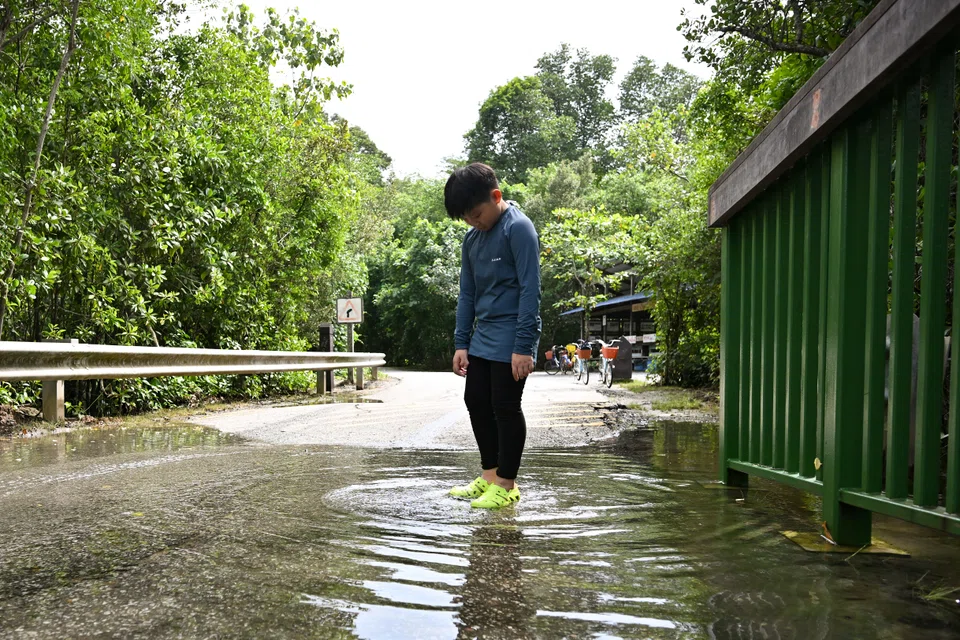
IT’S a common misconception that the economic effects of climate change will only begin to manifest themselves within the next decade. While this may be true for some risks, such as broader economic transition risks, it is clear from repeated headlines that extreme weather events pose an unparallelled risk to businesses worldwide today – both in terms of financial cost and operational resilience.
With disasters escalating in frequency and severity, the impact on Singapore businesses and their operations and supply chains around the region continues to grow exponentially. This impact is expected only to grow if net-zero targets are missed and higher levels of carbon are emitted into the atmosphere, further modifying global weather patterns.
For organisations to not just survive but also remain competitive in the face of these changes, understanding and preparing for climate risks must become an integral part of business strategy.
Rising costs of a changing climate
The statistics speak volumes. According to Nature, climate change could cost the global economy as much as US$24.7 trillion annually by 2060. For context, extreme weather events such as hurricanes, floods and heatwaves have already accrued over US$2.8 trillion in costs since the early 2000s. These risks are no longer hypothetical; they are here, and they are costing businesses millions – if not billions – each year.
The question isn’t whether climate risks will affect Singapore companies, but how extensively. This new landscape requires businesses to rethink resilience and prepare for both short and long-term challenges ahead.
Understanding climate risks
Climate risks fall under two primary categories: physical risks and transition risks. Both demand a firm grasp to effectively plan, adapt and safeguard operational continuity.
Physical risks: Physical risks – think floods, hurricanes, or heatwaves – can disrupt supply chains, damage property, and increase operating costs. These events aren’t isolated to specific industries; though agriculture, leisure, construction, and retail are particularly vulnerable, no sector is immune. Businesses must evaluate potential vulnerabilities, whether they stem from damaged infrastructure or unexpected supply chain bottlenecks.
For example, when flooding disrupts warehouses in one region, it can cascade across multiple points in manufacturing or distribution networks, creating financial blowback that compounds over time, threatening revenue and the bottom line.
Singapore itself is also not immune, facing significant physical risk through more extreme rainfall and potential sea level rises – about 30 per cent of the island nation is less than five metres above sea level.
Carbon emitted to date has already exacerbated physical risks today through modification of global weather patterns, and these effects are not expected to reverse even if the global economy achieves net-zero by its stated targets.
Transition risks: The movement towards a low-carbon economy brings its own set of challenges known as transition risks. These can include shifting consumer preferences, legislation forcing greener operations, and reputational pressures. Transition risks are multifaceted, encompassing:
- Policy and legal risks: Governments worldwide are stepping up policies to mitigate climate change – from phasing out fossil fuel vehicles to mandating net-zero targets. Failure to comply can lead to litigation, regulatory penalties, or marketplace exclusion. Additionally, climate litigation cases – against companies for insufficient climate action or misleading claims – have more than doubled since 2015, signalling intensified scrutiny.
- Technology risks: Emerging green technologies disrupt existing systems and industries, from electric vehicles to renewable energy solutions. While these open doors for innovation, they also pose challenges for corporations slow to adopt or integrate these changes effectively, which could lead to stranded assets.
- Market risks: Today’s consumers are increasingly seeking sustainable products, with 69 per cent changing their habits due to climate awareness. Failing to meet this demand risks both lost revenue and diminished brand relevance over time.
- Reputation risks: Public – and stakeholder – expectations are rising. A majority of consumers and investors now expect corporations to take visible and impactful action on environmental issues. Those who fail to meet these expectations risk lasting reputational damage.
The need for modelling climate risks
To act strategically against these risks, climate risk modelling has become non-negotiable. Forward-looking models aren’t just about compliance; they provide businesses with critical, actionable insights to safeguard and optimise operations for years to come. By assessing risks under varying future warming scenarios, decision-makers can proactively adapt strategies instead of scrambling reactively in the wake of disaster.
Effective modelling can help businesses answer essential questions:
- How will rising sea levels impact our physical locations or suppliers?
- Will new carbon regulations significantly raise overhead costs?
- How should we adjust our logistics networks to withstand frequent extreme weather events?
Retailers, for example, are already taking preemptive action – designing flood-resistant buildings, replacing vulnerable materials such as sheet roofing, geographically diversifying their supply chain, or relocating operations altogether. Small adjustments today could prevent massive disruptions tomorrow.
Additionally, it’s important to note that regulators from jurisdictions including Singapore, the European Union, United Kingdom, Australia, and the US state of California are shifting from voluntary recommendations to mandatory disclosure requirements, starting as early as 2025. These rules ask businesses to report both risks and opportunities associated with climate change, in line with frameworks developed by the Task Force on Climate-related Financial Disclosures (TCFD) — pushing organisations to assess impact not only defensively but also with an eye towards growth.
Opportunities beyond risk management
While climate risks dominate headlines, the flip side is often overlooked. Addressing these risks provides fertile ground for innovation, operational efficiencies, and brand differentiation. Many organisations are already capitalising on green opportunities by investing in renewable energy, developing sustainable products, and streamlining resource usage.
From adopting carbon-neutral logistics to innovating in areas such as carbon capture and electric technology, these strategies don’t just limit exposure – they create new competitive advantages. By integrating sustainability into corporate practices, businesses can build stronger relationships with consumers, investors, and employees alike.
Climate change presents looming challenges, but it also provides an unprecedented moment for leadership in Singapore – something the Singapore government and many businesses here have taken up the mantle on already. Businesses that recognise this urgency, model accurately their exposure, and adopt forward-looking strategies will not only outpace competitors but also help lead industries toward a more sustainable future.
The time for complacency has passed. It’s time to prioritise proactive climate risk modelling and make resilience a key pillar of every corporate agenda.
The writer is vice-president, climate solutions, at FIS






