Why flying less won’t do much to ease the oil crisis

Crude demand weakens when the price rises of not only jet fuel, but also other product prices
Summarise
Published Tue, Apr 28, 2026 · 06:00 PM
    • Many airlines have reacted to the doubling of jet fuel prices by cutting flights, but the snag is that the peculiar rigidities of oil mean that this will do little to bring prices back down to earth.
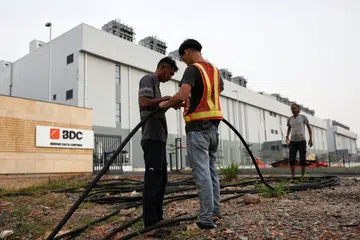
    • Many airlines have reacted to the doubling of jet fuel prices by cutting flights, but the snag is that the peculiar rigidities of oil mean that this will do little to bring prices back down to earth. PHOTO: REUTERS

    IT IS often said that the best cure for high oil prices is high oil prices: they reduce demand and rebalance the market. And already some users of oil are pulling in their horns.

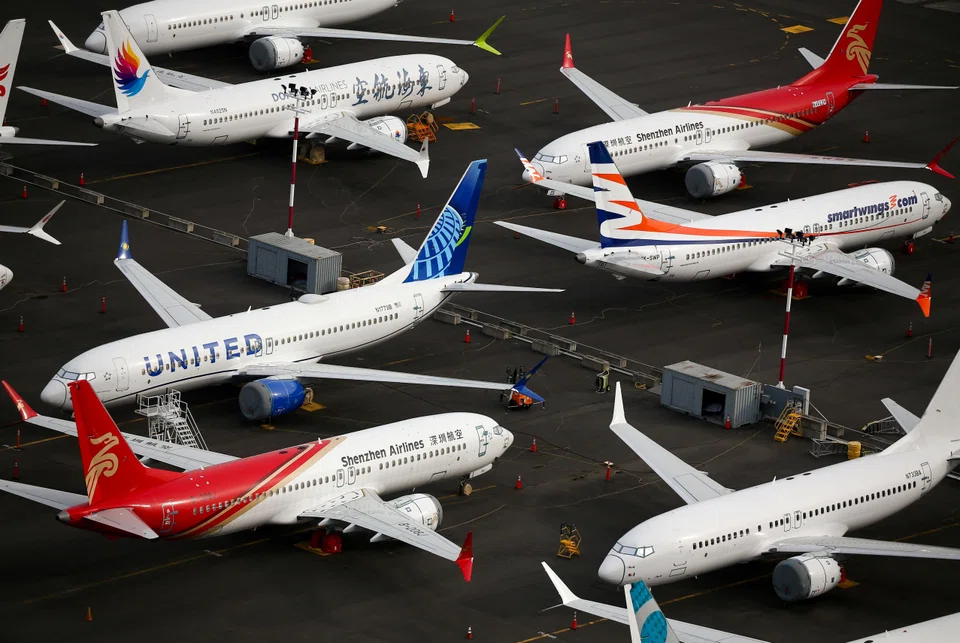
    Airlines including Lufthansa, the US’ Delta, Hong-Kong-based Cathay Pacific and Australia’s Qantas have reacted to the doubling of jet fuel prices by cutting flights. The snag is that the peculiar rigidities of oil mean that this will do little to bring prices back down to earth.

    When a refiner “cracks” a barrel of crude oil, the result is a barrel’s worth of products spanning from butane to bitumen, with petrol, jet fuel, diesel, naphtha and fuel oil in between. These emerge in fairly fixed proportions – in other words, a refiner has little ability to prioritise one over the others.


    True, by building simpler or more complex refineries and choosing different types of crude oil as feedstock, it is possible to make a little more of one type of product. But once the plants are built, and taking the world’s crude oil in aggregate, the system can only shift the share of what it produces by a smattering of percentage points. 

    A roughly 15 per cent cut in the world’s supply of crude and products, like that which would result from a prolonged closure of the Hormuz Strait, would therefore need to result in a cut of about 15 per cent in consumption for each of the products.

    That’s a rule of thumb rather than an exact figure, admittedly, since the actual amount would be affected by the limited tinkering refineries can do, and the fact that Middle Eastern exports of products were particularly focused on naphtha and jet fuel.

    Airlines are, though, among the first users that feel the burn from much higher prices. That’s both because jet fuel rose faster than other refined products as a result of the Middle Eastern disruption, and also because for airlines, it makes up a large share of their costs and thus hits profit quickly. Fuel and related expenses amounted to about 35 per cent of Ryanair’s revenue in 2025, according to Bernstein analysts.

    How might the jet fuel shock spread to other fuels? Imagine that its current price of some US$200 per barrel – twice the price of unrefined crude oil – were enough to lop 15 per cent off global airline consumption. That would do nothing to produce the fall in demand for crude that is a prerequisite for the market to balance.

    Refiners, who can still make money on US$100 per barrel oil given the overall slate of products they get from it, would keep on competing to buy it.

    Demand destruction for crude oil, then, happens when the price of the other products rises too, reaching the level at which 15 per cent of their customers decide it is no longer worth their while to buy.

    And some will be a lot less price-sensitive than airlines, which suggests that, in a prolonged disruption, the price of crude and other products would have to rise further. Suddenly-less-frequent flyers may be doing their bit, but managing any coming shortages will need to be a much wider team effort. FINANCIAL TIMES