

Why invest in Singapore
There are investments of many different kinds that show confidence in the Republic, and the stakes taken are deliberate, long-term and well-funded
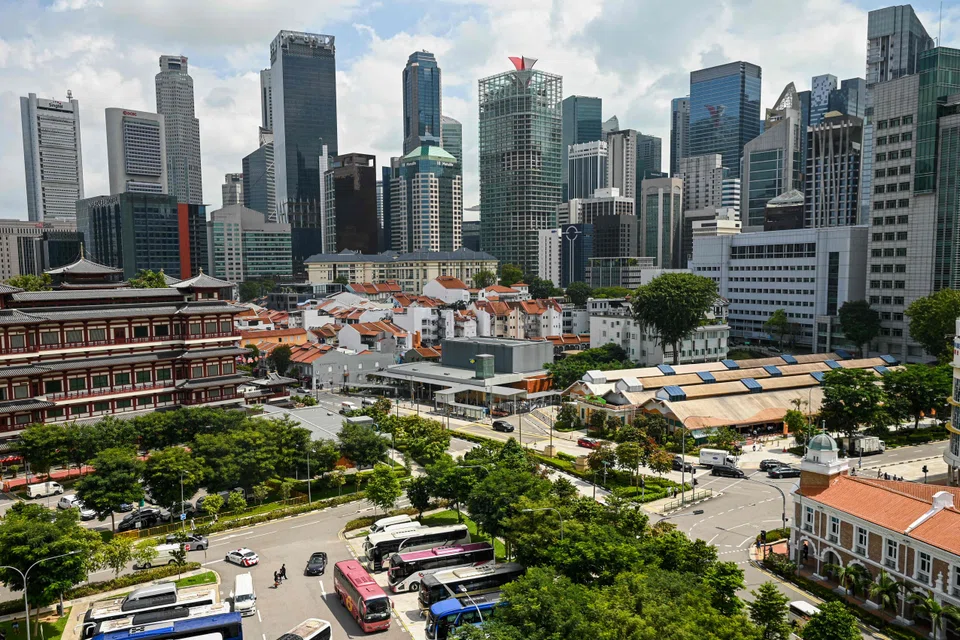
[SINGAPORE] Singapore is a hub for many things today, and especially money. Bentleys in flashy colours and special edition Lamborghinis particularly raise eyebrows. But there also are many quiet and low-profile funds, corporate treasury operations and family offices.
There is a need for due diligence, as recent money laundering cases show. Yet while scrutiny is raised, more funds, family offices and rich foreigners continue to apply to enter Singapore. Who is investing in Singapore, and why, and how?
Bull runs
Our public equities market attracts attention, but not for the best reasons. The general perception is that Singapore stocks underperform – especially when compared with American markets – while new listings on Malaysian and Thai counterparts attract more interest. This seems contrarian when so much money is invested here.
The government has stepped in with a raft of measures. Procedures and costs for new listings will be eased. Tax and other incentives will encourage companies to list, and funds to invest.
The Monetary Authority of Singapore (MAS) will start a new S$5 billion fund in Singapore equities, alongside fund managers to be identified.
This is considerably more than anything done before, and trimming processes and injecting funds should assist. Few, however, expect easy fixes, and a further set of changes is planned. Yet these should be measured.
Consider whether our markets should feed what has been called “animal spirits” and “irrational exuberance”. The latter term, attributed to US central banker Alan Greenspan, carries the connotation that stocks may be overvalued, awaiting correction. Bull runs are then stampedes – thrilling, but potentially dangerous.
One Singaporean investment banker I know has run with the bulls, literally, in the famous Pamplona fiesta. He proudly survived, but describes his key strategy as “flight”, and has no plans to do it again. Not everyone wants to run with the bulls or get that ultra-flashy special Lambo (whose insignia is a bull).
Quietly, privately
Some prefer a quieter ride, and perhaps a reputation for being safe and well-regulated is a good thing. That branding, together with a rational, well-managed government, can command a premium in our turbulent world, as it did during the pandemic.
One style trend after all is for quiet luxury, and this could be translated into investments. Note that, despite perceptions, the Straits Times Index is currently at a high, and delivered some 25 per cent returns last year. Relook at our market through that lens.
Some of the largest listings are banks and property companies, and these are supplemented by Reits. These do well enough and solidly reflect the underlying Singaporean economy.
However, with so much talk today on technology and disruptive innovation, some urge creating opportunities for startups. Yes, but such hopes face reality checks.
If and when startups go public, the task is to deliver real profits and quarterly results, rather than just eyeballs and projections. Some unicorns fostered here have listed elsewhere and, beyond the initial high point of listing, now face challenges.
Even if the equities market in Singapore does not race and roar, this does not mean that people are not investing. There are now so many more ways of doing so with newer products and platforms.
Consider the growth of private markets over these past five years. Total assets under management have increased across diverse asset classes in private credit, real assets and secondary markets. This can play a catalytic role for startups as well as small and medium enterprises that are not ready for public markets and retail investors.
Private credit moreover is no longer the reserve of the mega-rich private investor and private banks. Funds now aggregate such investments and offer bite-size lots to accredited investors via various financial platforms.
What government can do
Some call for the Singapore government to do more; for the GIC and Temasek to buy up local companies and boost the market. Yet these funds are tasked to seek investments outside Singapore.
Consider instead how the government itself has invested. Its 2025 Budget especially is across-the-board: from ordinary citizens seeking a job to the elderly and the vulnerable sectors of our community, from youth to baby boomers, including individual skills training and assistance to workers.
Some decry this as electioneering and certainly, voting matters to the long-incumbent PAP government and our new prime minister. But the investments have seen Singapore through hard times such as the pandemic, as Second Minister for Finance Indranee Rajah pointed out in closing the Budget debate.
Now there is support for Singaporeans to move with changing economic patterns to take the next steps forward. More broadly, Singapore is consistently ranked as providing the best support for startups and innovation across Asia.
Successive budgets show sufficient fiscal fire to power up public spending, without going into deficit – a record S$143 billion for the coming year. The range and depth of measures evince belief that what is here is worth investing in, and can provide returns.
One remaining oddity is that when someone remarks why Singapore is worth investing in – whether for financial returns, or as a home and a place for school and work – it is often a foreigner.
Measures to assist the public equities market made headlines just at the start of the Budget debate. Yet they are only part of the picture about who is investing in our country and how. Yes, the equities market can be re-geared and re-energised. But we should note that there are investments of many different kinds that show confidence in Singapore, and that the stakes taken are deliberate, long-term and well-funded.
The writer is chairman of the Singapore Institute of International Affairs






