Why secrets lost their sizzle
 Add BT as a preferred source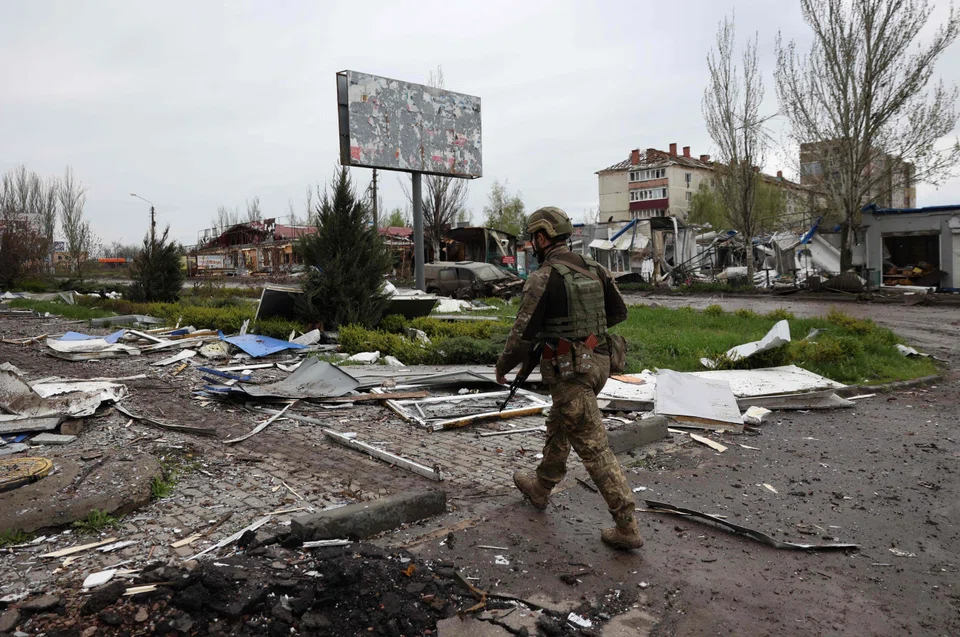
IN APRIL, secret documents allegedly photographed by a member of the Massachusetts Air National Guard began making their way into the mainstream media. Many were briefings prepared by military intelligence services, and much of it dealt with the Russia-Ukraine war. They offered Americans a rare window into the government’s most valuable intelligence on one of Europe’s deadliest conflicts since World War II.
We’ve been here before. In 2010, WikiLeaks began churning out hundreds of thousands of secret documents about the wars in Iraq and Afghanistan that had been leaked by an army private, prompting then-secretary of state Hillary Clinton to declare that such disclosures “tear at the fabric of the proper function of responsible government”.
Three years later, Edward Snowden, a National Security Agency contractor, leaked another batch of highly classified documents. Then-president Barack Obama warned then that if anybody who disagreed with the government could choose to reveal its secrets, “we will not be able to keep our people safe, or conduct foreign policy”.