Why UAE oil boss is the right person to preside over the upcoming UN climate summit
Fighting climate change requires all hands on deck
IN POLITICS, it’s easy to shake a fist. It’s harder to shake a hand. But more progress is made through cooperation than conflict. That truth is worth bearing in mind as the latest dust-up over the next United Nations (UN) climate conference unfolds.
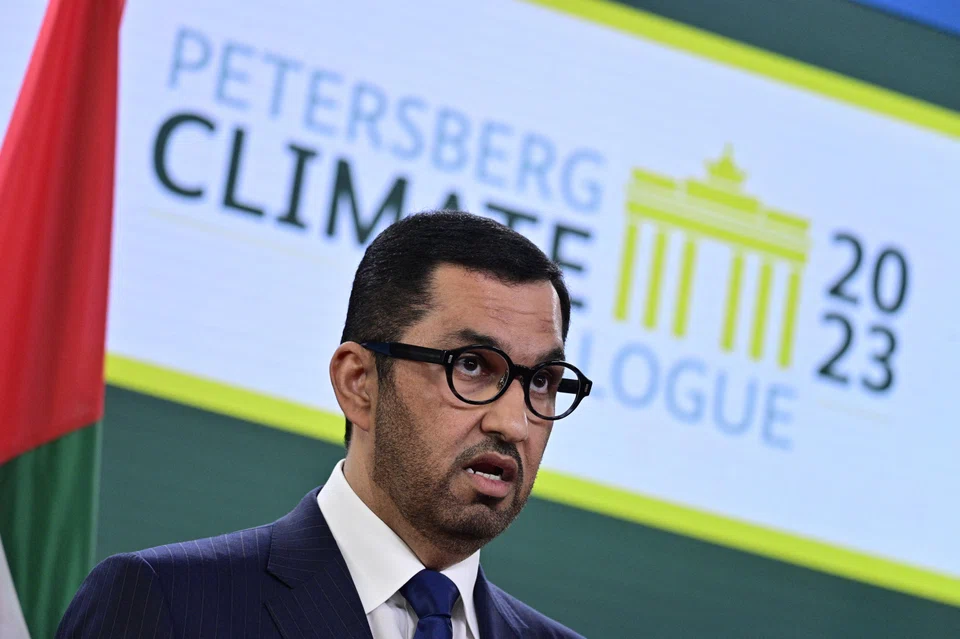
Recently, a group of elected officials from the US and Europe signed a letter demanding the removal of Dr Sultan Al Jaber as the president-designate of this fall’s UN climate convening, COP28, in the United Arab Emirates (UAE). Many signers of the letter, who included some of the most far-left members of Congress, also opposed the selection of the UAE as the host country for COP28. How can a climate conference, they argued, take place in an oil-producing state? The answer is: We need oil producers at the table – including the US, which is the largest oil producer in the world. And the UAE would not be the first oil-rich nation to host a COP.
The primary objection to Dr Al Jaber is that he’s the head of the UAE’s national oil company. But he’s also founding CEO and chairman of its renewable energy company, Masdar, and under his leadership, the UAE has become one of the world’s largest investors in renewable energy. Masdar seeks to generate 100 GW of renewable power by the end of the decade, a more ambitious goal than some larger European nations have set. If every other oil company leader were making similar investments, we would be in a much stronger position to reduce global emissions.
We can’t avoid the worst effects of climate change without dramatically reducing the use of fossil fuels as quickly as possible, and the more that fossil fuel companies accept that and engage in the transition to clean energy – as Dr Al Jaber is doing – the faster we can make progress. To reject Dr Al Jaber as an ally and partner would be terribly short-sighted and counterproductive.
In my role as UN special envoy on climate ambition and solutions, I’ve had chances to talk with Dr Al Jaber about the progress we both agree needs to happen – and how to knock down barriers that stand in the way. Recently, Bloomberg Philanthropies joined Dr Al Jaber and the International Renewable Energy Agency to announce a new partnership to speed up clean energy deployment in the Global South. He and I have also discussed a topic both of us have spoken out on publicly: the need for the World Bank and other development banks and sovereign wealth funds to devote more resources to the transition to clean energy.
There are purists who are against any investment in fossil fuels, but the fact is, most of the world still runs on fossil fuels, and we can’t flip a switch and change that tomorrow. Transitioning to clean power will take some time. The good news is that we’re moving faster every day, especially when it comes to ending the single biggest source of greenhouse gas emissions: coal-fired power plants, which Bloomberg Philanthropies has been helping to replace with clean power all around the world – and to bring clean power to places that lack access to reliable electricity.
The letter objecting to Dr Al Jaber was signed by only a small percentage of members of Congress and the European Parliament. The vast majority of world leaders continue to support his appointment, including the US special envoy for climate, John Kerry, and European climate leaders such as Ursula von der Leyen and Frans Timmermans.
Former UN climate chief Christiana Figueres has expressed concern that Dr Al Jaber will push an agenda favouring carbon-capture technologies, departing from the traditional role of the COP president as a mediating voice in proceedings. That’s a caution all COP presidents have to keep in mind, and it underscores a broader point that is important to remember: The COP president doesn’t decide the outcome of the conference – its members do.
Ousting Dr Al Jaber would do nothing to influence the result of the conference, but would send a clear message to fossil fuel producers: We don’t want your help. Given the urgency of the crisis – and the need for more cooperation and coordination across all parts of society – that would amount to a massive blown opportunity and self-inflicted wound that would slow progress in reducing emissions.
Environmentalists have spent decades rightfully castigating the fossil fuel industry for refusing to acknowledge the reality of climate change, much less engage in the hard work necessary to address it – and they have rightfully insisted that fossil fuel producers come to the table. Now is the time to offer up a chair.
I have had the chance to work alongside some of the letter’s signees in tackling climate change, and I look forward to continuing that work. But on this narrow point, I part ways with them. Climate change is an epic challenge. We need all the allies – especially in the oil and gas industry – we can get. BLOOMBERG
Michael R Bloomberg is the founder and majority owner of Bloomberg, the parent company of Bloomberg News, and UN special envoy on climate ambition and solutions.