

Why write a shareholder letter? Ask Dimon or Buffett
Done right, the missives can woo investors and build influence. But done wrong – look out
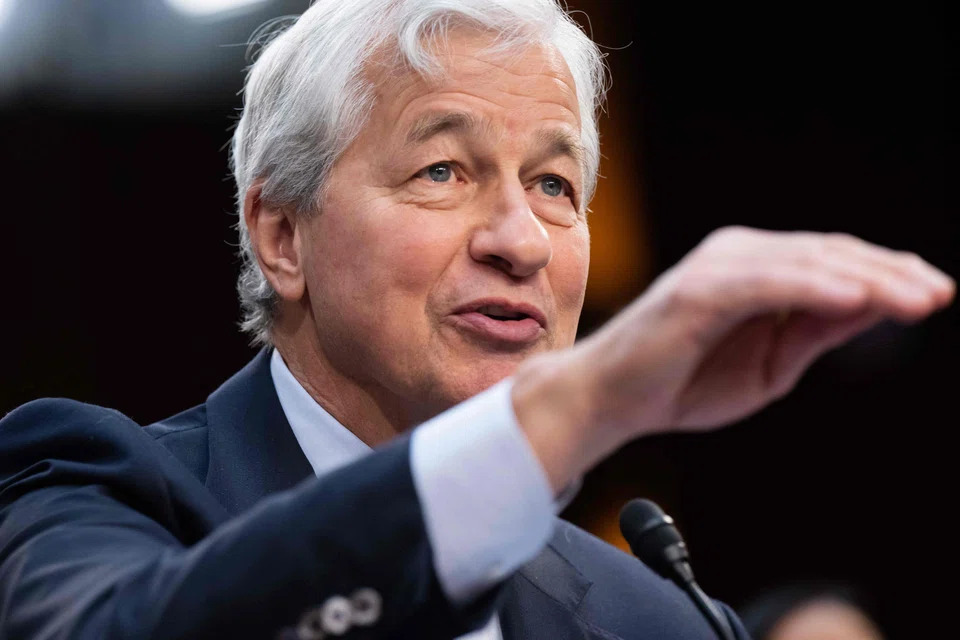
JAMIE Dimon has a lot to say.
The JPMorgan Chase chief executive officer’s annual letter to shareholders, which was released on Monday (Apr 8), clocked in at just under 28,000 words. That count does not include the 58 footnotes or the reprint of a 1992 Wall Street Journal op-ed from one-time presidential nominee George McGovern that Dimon thinks you should read in full for its nuanced perspective on regulation. (As a point of reference, this column is about 700 words and most of you won’t make it to the end.)
In his letter, you can find Dimon’s thoughts on everything from diversity, equity and inclusion to the mini banking crisis of 2023. The last third is essentially a political manifesto, with analysis and policy suggestions for most of the world’s ills, along with polemics on the power of American freedom.
But the common theme and overarching message of the missive is that Dimon is an important man with important ideas.
In an era when CEOs aren’t just leaders of companies but also “thought leaders” who weigh in not just on corporate policy but public policy, the annual shareholder letter has taken on a new significance in corporate America. For a certain subset of executive bigwigs, it’s a chance to hone their public personas and show shareholders and the general public not just what they think, but how they think.
Dimon’s tome is a far cry from the olden days when brevity prevailed, and the numbers were meant to speak for themselves. Jack Puelicher, who ran bank holding company Marshall & Ilsley, mastered the form. One year, his letter read in its entirety: “Your company had a very good year in 1982. Some of it was due to luck; some of it was due to good planning and management. We hope you enjoy the numbers and the pictures.”
Berkshire Hathaway’s Warren Buffett gets the credit for turning the shareholder letter into what some now consider its own literary genre. He wanted investors to hear from him, “not from an investor-relations officer or communications consultant forever serving up optimism and syrupy mush”, as he said this year.
There’s no doubt that the movement towards writing a highly anticipated and important shareholder letter is tied to CEO aspirations to be the next Buffett, who writes with a level of charm, humour and folksiness that’s rare in the business world. (Dimon name-drops his “friend” Buffett in this year’s dispatch, and both letters have similar patriotic vibes that run throughout.)
Letting shareholders in on the inner workings of a CEO’s brain is an especially powerful marketing tool in a sector like banking, where companies don’t produce a thing that people can hold in their hands, study and understand. Instead, investors are backing a company and its management team’s ideas.
There are parallels to the tech industry, too. One of the reasons that Jeff Bezos’ shareholder letters became so critical for Amazon, is they gave investors a clear look at the company’s ethos and strategy while they waited for it to turn a profit in those early years.
When done right, a shareholder letter lets a CEO’s personality shine through – in a highly lawyered and edited way of course, that I’m sure both the legal and communications departments just love.
Dimon, Buffett and BlackRock’s Larry Fink have each been able to dominate an entire news cycle this year without the need to go in front of a camera, where there’s always a risk that things will go off the rails. Fink, for example, started a national conversation when he questioned whether 65 was the right age for retirement in his shareholder letter last month.
That’s not to say that you can’t get yourself into trouble by putting pen to paper, as Fink knows all too well. He made BlackRock a target of the anti-woke mob by writing so much over the years about the importance of the company’s environmental, social and governance efforts.
While I’m relieved I only have to wade through a Dimon-penned magnum opus once a year, it’s not a bad thing to create a little controversy and push the envelope with a shareholder letter from time to time. Otherwise, we’d just be left with that syrupy mush. BLOOMBERG
TRENDING NOW

ComfortDelGro appoints two new independent directors

Once staunchly pro-China, Malaysian Chinese businesses are now distancing themselves from Beijing

NoonTalk needs continued financial support from CEO Dasmond Koh, auditors warn

DP Architects sets the benchmark for sustainability disclosure and design

