
Will Gen Z disrupt the Asean corporate landscape?
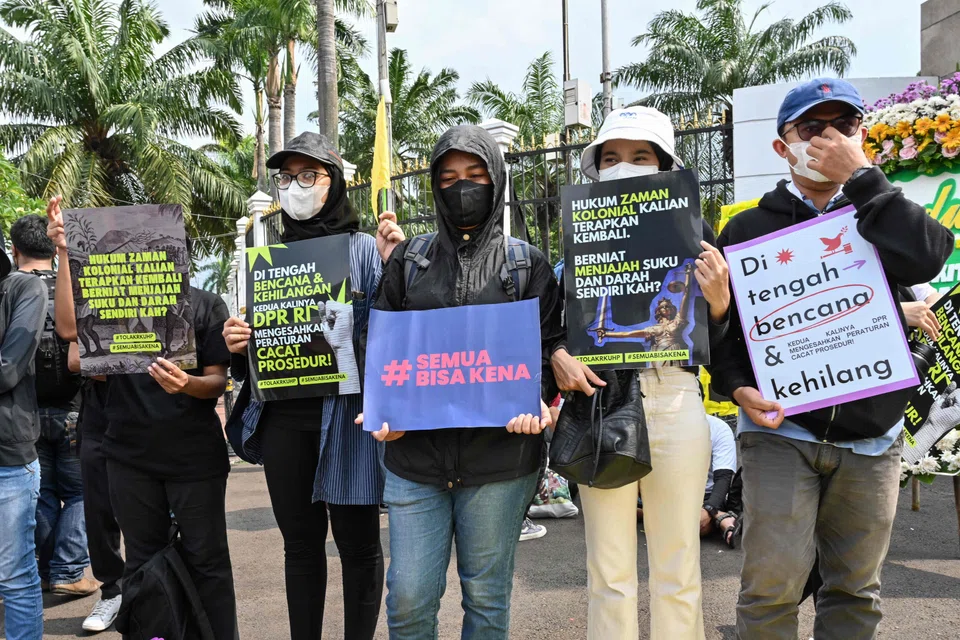
ACTIVIST employees have made their voices heard in multinational corporations in the United States in recent years. Netflix employees have staged walkouts over the airing of a show by comedian Dave Chappelle. Disney staff have protested their company for not doing enough for the LGTBQIA+ community. And Twitter employees have been accused by their new chief executive officer of censoring views they disagree with.
Concern over backlash from activist employees and consumers has nudged multinational companies in Europe and the US to engage in causes to which they might not have ordinarily given much time. Nearly all large corporations now include a statement around their policies on diversity, equity and inclusion. Forbes magazine reported that nearly 80 per cent of talent professionals ranked “diversity hiring” as the most important trend in the recruiting industry in 2022.
Much has been written about how the millennial generation, born after 1980, have influenced and changed the workforce and the business world. Speculation is now rife around how Generation Z, born after 1997, will further change the business world they are now joining as employees and consumers – and how far around the world this influence will stretch. Can we expect youthful influence to change the corporate world in South-east Asia?
It is no secret that Generation Z are more concerned with social justice causes than previous generations. In a recent survey from London-based data and analytics company GlobalData, 22 per cent of 21,267 respondents from 41 countries strongly agreed that they wanted brands to actively address global social issues such as racism and sexism. Support was highest in younger cohorts, deteriorating with age. Of respondents aged 16 to 24, 26 per cent strongly agreed with the idea, while only 13 per cent of the 55 to 64 age group did so. Support for “global social issues” varies around the world, partly because of different priorities in countries suffering from other societal and socio-economic harms. In the US – arguably the country dominating global discussions on racism and sexism – a higher-than-average 38 per cent of those aged 16 to 24 strongly agreed with the view. Hence why US employers and brands have given such prominence to employee concerns in recent years.
But support for this issue is not isolated to the US. For the same generation in South-east Asian countries, 34 per cent strongly agreed that they wanted brands to address these issues. The most enthusiastic country was the Philippines with 47 per cent. The least enthusiastic country, Malaysia – with 21 per cent – was closer to the global average, while Singapore had 25 per cent in strong agreement.
Asean Gen Z’s enthusiasm for other social justice themes sometimes exceeds that of their US counterparts. For instance, 35 per cent of South-east Asian respondents aged 16 to 24 strongly agree that supporting brands that promote diversity is important, against 32 per cent of that group in the US and 30 per cent of the global youth. When it comes to voting with their wallets, 30 per cent of that South-east Asian cohort strongly agree that they would “stop buying products from a brand if their values don’t align with my personal beliefs”, against 26 per cent from the US and 25 per cent globally.
Does this mean that the business world in South-east Asia will need to adapt to the social concerns of Gen Zs as they enter the workforce? To some extent, businesses here are already doing so. The 2019 backlash against the E-Pay advertisement in Singapore, which featured actor Dennis Chew in ‘brownface’, shows how much more careful brands need to be in their depiction of racial groups.
Most South-east Asian countries have a young population, which suggests that concern over social issues will spread through the corporate world as Gen Zs climb the executive ladder. But many other factors will affect Gen Z’s cultural influence on the region’s business world. One is the likely lower priority given to social issues in a part of the world where the average gross domestic product per capita in 2021 was US$4,533, versus US$70,248 for the US.
Perhaps more importantly, there is significantly higher trust in institutions in South-east Asia. In the Edelman Trust Barometer 2022, four of the Asean countries surveyed had scores of at least 66 out of 100. This represented a 53 per cent higher level of trust in business, government and media compared to the US, which had a score of 43. The average score for the European countries surveyed was 49, indicating similarly low levels of trust relative to South-east Asia. This high level of trust in South-east Asian institutions perhaps explains why “global” social issues, especially when framed through social media, often seem to originate from the West. As the recent pandemic lockdown meant more time spent online, this further amplified such issues – particularly for the younger generation, who rely on social media influencers rather than traditional news organisations for their understanding of the wider world.
As Gen Zs take up positions in the corporate world of South-east Asia, their millennial, Gen X and boomer bosses need not worry about radical culture changes in their corporations. Their junior staff are alert to social injustices, but are more likely to align their views with stories of activism elsewhere on Instagram and Twitter rather than in their local real world interactions.
The writer is GlobalData’s key accounts director.



