

Will Singapore find a way to counter misinformation ahead of its next GE?
Social media has been an established electoral battleground for decades, and its significance will only grow

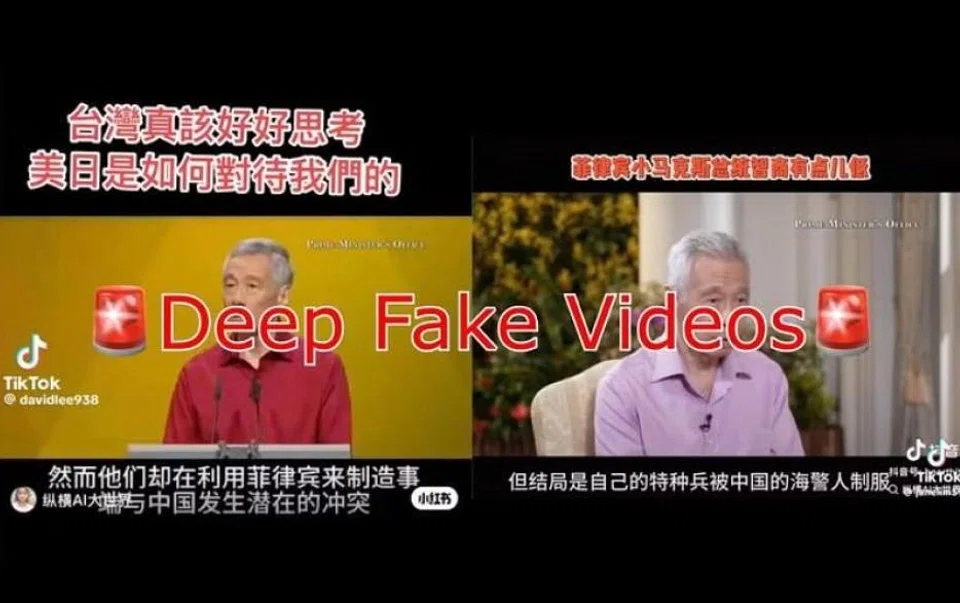
ALMOST two decades ago, Singapore’s 2006 general election (GE) was dubbed its first Internet election, as the public turned to independent blogs for alternative views. In 2011, the rise of Facebook and Twitter made for the first so-called “social media election”.
By GE 2015, memes and viral posts were as much a part of the election hustings as official rallies. The pandemic-era GE 2020 took this to a new level, with Covid-19 restrictions forcing election activities to go online.
Even with the post-pandemic return of offline campaigning, the next GE – to be held no later than November 2025 – will undoubtedly be more hotly contested online than before. As the presidential election in 2023 showed, candidates aim to be present not just on the ground, but on platforms such as Instagram and TikTok.
TRENDING NOW

Once staunchly pro-China, Malaysian Chinese businesses are now distancing themselves from Beijing

Britain’s mansion tax shows the difficulty of targeting wealth

Three hats, one goal: How Ng Kian Swan runs sustainability at NUHS
COE review: The gap between luxury and mass-market cars isn’t the only one worth bridging

