Will Singapore’s ‘novel food’ dreams be ultra-processed?
In recent years, warnings about the health risks of UPFs have grown increasingly widespread, even if scientists are not clear what exactly makes them bad

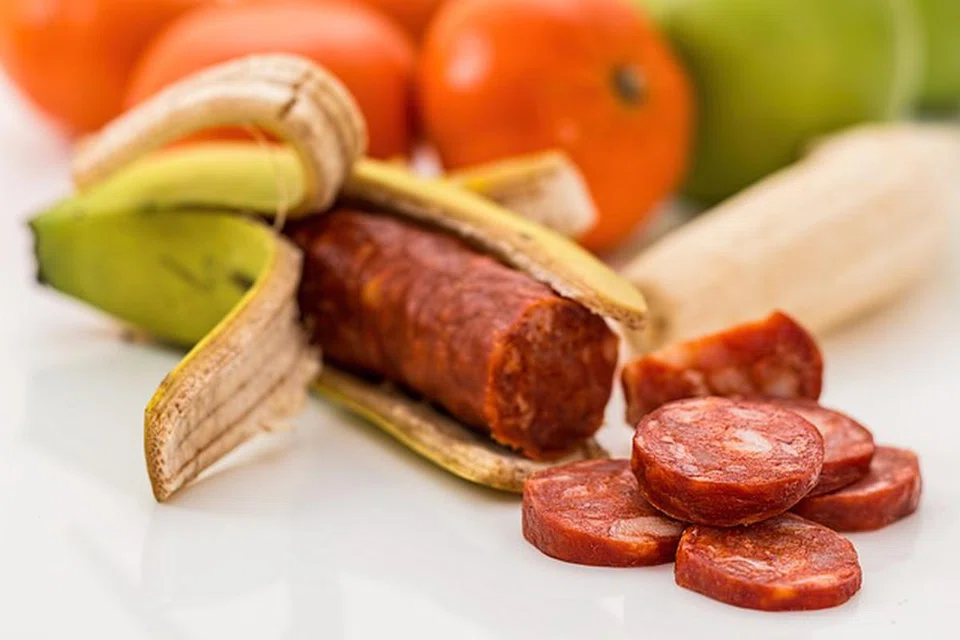
ANY food that has a regular shape is likely highly processed and even “fake”, a college friend told me many years ago.
By then, I had already developed my own distaste for chicken nuggets and sausages, once I came to the unnerving conclusion that I couldn’t quite pinpoint what exactly was in them. So I could see his logic, yet his comment still shook me.
Those curved potato chips that come neatly stacked in a canister are another example, he said. To a self-confessed potato fiend, this realisation was far more devastating, and it was then that I found out these chips are made from dried potato flakes.
The crispy chips really encapsulate what has come to be known as ultra-processed food (UPF), especially given how innocuous they seem.
While there is no strict definition, a UPF is understood to be industrially processed using cheap ingredients and a cocktail of additives, preservatives and stabilisers – including things that are not found in an average kitchen – before being engineered to create a highly addictive taste and texture.
In recent years, warnings about the health risks of UPFs have grown, even if scientists are not clear what exactly makes them bad – whether it’s because such foods are also usually laden with saturated fat, salt and sugar, or that the processing is itself problematic.
Brazilian scientist Carlos Monteiro, who coined the term UPF, believes it’s the latter. About two decades ago, he found that obesity rates in his country were growing even as people were buying less oil and sugar. Instead, eating patterns were shifting then, and people were consuming more soft drinks, snacks and pre-packaged food.
To be sure, most of the things we eat are processed, albeit to varying degrees. Prof Monteiro came up with a four-tier classification system called Nova, ranging from unprocessed or minimally processed foods in the first category to UPFs at the highest level.
In February, a study discovered direct links between UPF and 32 harmful effects to health, including a higher risk of heart disease, cancer, diabetes, poor mental health and even death.
Where does alternative and plant-based protein fit?
Given the highly complex procedures involved to create a meatless patty, even proponents of plant-based meat are under no illusion that this is in fact UPF, but there is less agreement on whether the risks are on par, given the health benefits of a plant-based diet. However, a separate study in August found that higher consumption of plant-sourced UPF was also associated with increased risk of cardiovascular disease and death.
It would not be far-fetched to consider UPFs a symbol of peak capitalism, created by companies to maximise profits, often with scant regard for consumer health.
Late last month, the Singapore Food Agency (SFA) started calling for proposals from the industry and researchers to develop solutions to “increase consumer acceptance of future foods by improving their flavour, texture and nutritional properties”.
It is understandable that Singapore, which imports the bulk of its food, would want to develop “novel foods” to increase its food security. However, given the warnings surrounding UPF as well as the lack of long-term data on the health risks of certain “novel foods”, it would make sense to tread cautiously.
The question is which outcome could be costlier. A rise in potentially adverse health outcomes in a fast-ageing society would only create greater pressures on the country’s healthcare system.