THE BROAD VIEW
Workplaces are enabling the ‘queen bee syndrome’ – and it is holding women back
Reconfiguring corporate structures can foster a mutually supportive environment for women
“THERE is a special place in hell for women who don’t help each other.” Former US secretary of state Madeleine Albright’s quip captures a widespread expectation that women who reach the top should pave the way for those behind them.
Yet, it is not uncommon for junior female employees to encounter women in senior roles who seem distant, unsupportive or even actively competitive with them.
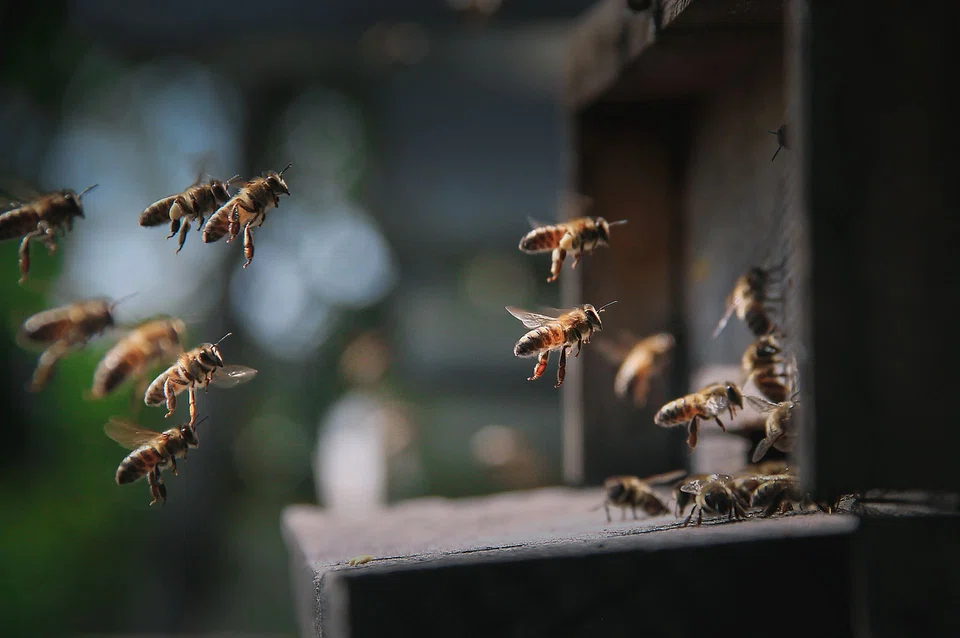
That phenomenon has a name: queen bee syndrome (QBS). Although the term is controversial, the underlying behaviour is well documented and has real consequences for the women affected, their organisations and broader gender diversity efforts.