World Cup’s ‘green flags’ and memes say much about today’s attention economy
The tournament’s corporate value is also realised in micro-moments eternalised on social media feeds

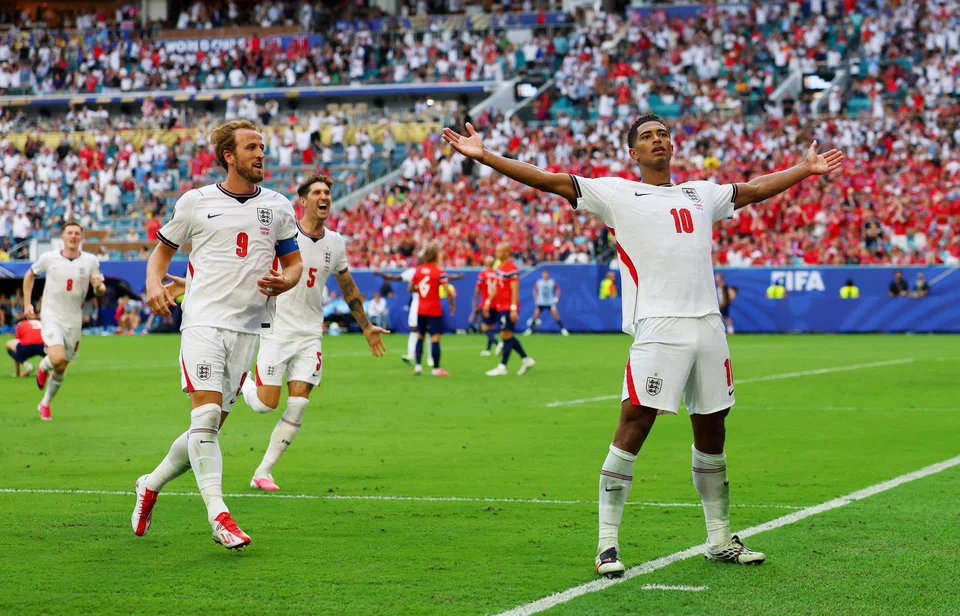
[SINGAPORE] You may or may not have watched the stunning 2-1 quarter-final between England and Norway on Jul 12, but there’s a good chance that you would have seen a social media post or two about Norwegian striker Erling Haaland’s potent kicks, or triumphant English fans singing The Beatles’ Hey Jude for Jude Bellingham’s extra-time goal.
As social media algorithms go, watch one World Cup reel and you’ll be shown dozens more.
This year’s World Cup offers interesting insights into the modern attention economy. Fifa estimates that about six billion people – nearly three-quarters of the world’s population – will engage with the matches via television, streaming platforms or social media.
The corporate value of the tournament is realised not just through traditional broadcast, but also in the micro-moments eternalised on social media feeds.
One specific category of such content has stood out for me: depictions of players as “green flags”. In Generation Z parlance, this refers to positive traits or behaviours that signal someone is emotionally mature and trustworthy – the opposite of a red flag.
There’s Bellingham, politely stopping for a Venezuelan reporter to offer a thoughtful message for fans in the earthquake-stricken country. And there’s Haaland, warmly congratulating his opponents after a defeat.
Unsurprisingly, multinational brands are piling endorsement deals on these wholesome athletes. Haaland’s Nike deal, signed since 2023, is already worth about US$20 million annually. He also fronts a Norwegian Seafood Council campaign showing across New York.
Earlier in the tournament, the Iranian football team’s handwritten note in the locker room also went viral across social and news media. Their message: “May peace, respect and friendship prevail among all nations.”
Yet, these feel-good messages are also clashing with economic and geopolitical realities. Commentators have argued that World Cup 2026 has been a lost opportunity for the US to score in sports diplomacy.
Record-high ticket prices have priced out ordinary fans. Entry visa rejections experienced by some support staff of the Iranian team and Somali referee Omar Artan have also disappointed many.
But fans around the world are determined to focus on the beautiful game anyway. Here in Singapore, the British High Commissioner Nik Mehta and Norwegian ambassador Leif Trana came together in a light-hearted video clip, promoting a public watch party for the recent quarter-final.
The diplomats engaged in playful banter to rally support for their respective national teams. Posted on several accounts, the reel garnered more than 11,000 likes on Instagram in just a few days, reflecting football’s human appeal.
While negative moments tend to dominate the news agenda, positive moments can linger longer on social media for good reason: They counteract the doom and gloom of bad news that have overwhelmed our consciousness in recent months.
Picking a side is part of competition and spectatorship, but so is sportsmanship. Choreographed advertising campaigns catch eyes, but simple human moments are often the ones that really stick.
As football fans count the days to the World Cup’s final showdown, the viral phenomena on social media remind us that the true winners of the game may just be the ones who successfully capture the global attention economy – green flags included.