In a world of digital natives, businesses need to embrace discontinuous thinking
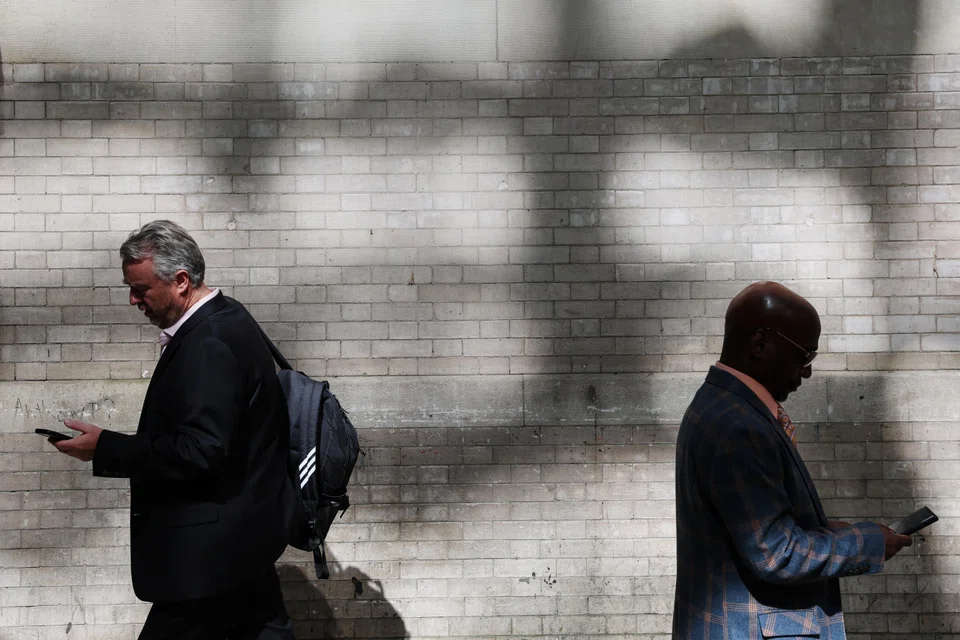
LESS than 20 years after Apple launched the iPhone, almost seven billion people, 86 per cent of the world’s population, have a smartphone – more than those who own a toothbrush or have access to electricity and an indoor toilet.
And, boy, are we making use of these devices. Singapore residents spent an average of 5.3 hours a day peering at their phone in 2022, according to industry tracker App Annie – receiving, as a reward, dopamine-induced gratification from every glance at this ultra-addictive and hypnotic screen.
The societal consequences in terms of shortened attention spans, distraction and ultimately disconnection from our fellow human beings deserve a rigorous and wide-ranging debate. Meanwhile, companies have to deal with the economic consequences of this change.