The world doesn’t stop during US presidential races
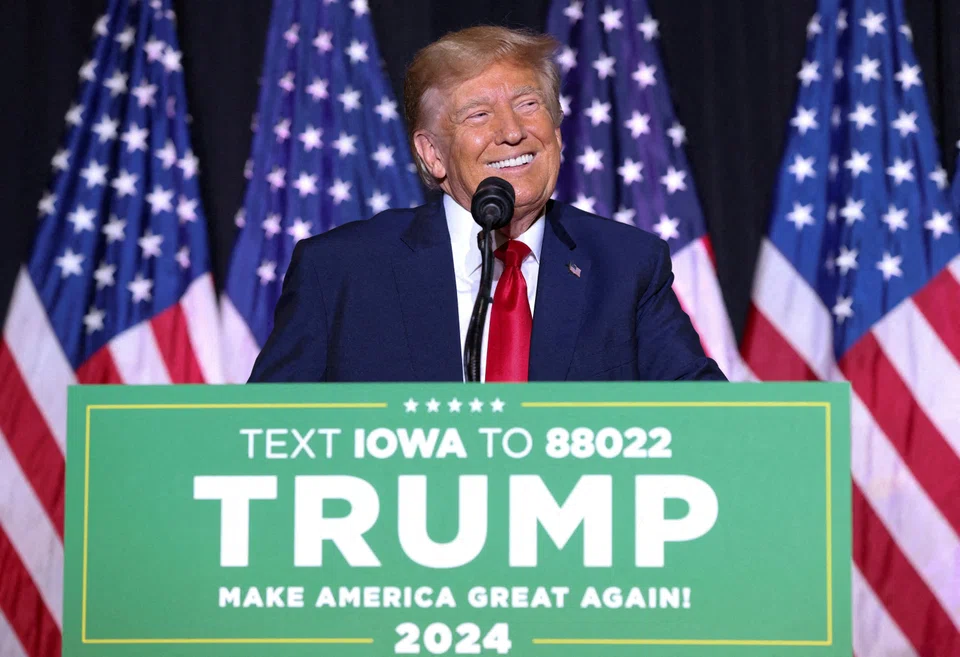
YES, it’s official. The American 2024 presidential race has begun. The first Republican primary debate will be held on Aug 23 in Milwaukee, Wisconsin. And it’s still unclear whether the Republican frontrunner, former president Donald Trump, will attend.
But even if the ex-president doesn’t show up, it’s clear that Trump – the presidential candidate – and Trumpism – as a political agenda – would be dominating the event, and all the Republican primaries.
Indeed, the Grand Old Party (GOP) has become the Donald Trump Party. Polls suggest that despite a slew of indictments against the former president – the latest one asserts his role in, and responsibility for, the Jan 6, 2021, assault on the US Capitol – large majorities of Republican voters continue to support him.
Moreover, the populist and nationalist positions known as Trumpism – with its protectionist, isolationist and xenophobic overtones – have replaced Reaganism, named after former president Ronald Reagan, with its emphasis on internationalism, free trade and open immigration as the platform of the Republican Party.
Indeed, even Governor Ron DeSantis of Florida, Trump’s main challenger for the Republican presidential nomination, has adopted Trumpism’s main talking points and defended the former president against his alleged “persecution” by the US Justice Department, sounding at times even more extreme on some issues than Trump himself.
And, to be sure, the chances of Governor DeSantis or any of the other leading Republican candidates beating Trump in the Republican primaries look slim; and they promise that the former president’s personality and views could end up driving the general presidential race next year.
The problem isn’t only that we can expect one of the most heated presidential campaigns in American history, reflecting the growing political polarisation in the country, and the spectacle of ugly personal insults – Trump has just referred to another campaign adversary, former New Jersey governor Chris Christie, as “a fat pig”.
It’s also the risk that the former president’s isolationist and protectionist agenda will influence the political discourse in Washington, perhaps even affecting the legislative process and policymaking.
From that perspective, the pressure would grow on President Joe Biden to reject any talk – not to mention action – on liberalising international trade, which is bound to frustrate America’s economic partners in Asia.
At the same time, members of a Republican isolationist wing that is growing more powerful have made it clear that they would try to sabotage the Biden administration’s continuing support for Ukraine in its war with Russia. They have threatened to oppose any major increase in US economic and military aid to the country.
And then there is China. Trump and the Republican lawmakers are intent on bashing President Biden as being “weak” on China, and are pressing his administration to strengthen diplomatic and military ties with Taiwan. They also demand that Washington make a clear commitment to defend the island from any possible Chinese attack.
Even if the Republicans fail in changing US policy towards Taiwan, the spectre of the issue becoming so central in the GOP campaign, with every presidential debate turning into a China-bashing forum, is bound to threaten any chances of Sino-American detente.
Wishful thinking, perhaps, but American politicians should understand that the world doesn’t stop during presidential campaigns. They should also recognise the danger of how their internal politicking could distract Washington from fulfilling its global responsibilities.