

Your AI agent could soon manage your money. What could go wrong?
With the tech outpacing safeguards, Singapore banks are not letting third-party AI agents in – yet

FOR those of us unlikely to ever have a human personal assistant at our service, artificial-intelligence agents such as Meta’s Muse – which can independently carry out tasks from making reservations to purchases – can sound like a dream come true.
But with more than 10 million downloads since its September launch, this is fast becoming a risk management nightmare for financial institutions.
Banks have good reason to worry. AI agents could rapidly move customers’ deposits from low-yield savings accounts to other alternatives, threatening banks’ access to cheap funding.
In a crisis, this could even amplify the risk of a bank run.
AI agents, like other software, can be hacked. They can misunderstand instructions, make mistakes or take actions their users never intended.
If they have access to bank account details and the authority to move money, the stakes become a whole lot higher.
Already, major US banks such as JPMorgan Chase and Citi have blocked or restricted the use of third-party AI agents from accessing bank accounts.
Some banks are changing their user agreements to place responsibility on users for their agents’ actions.
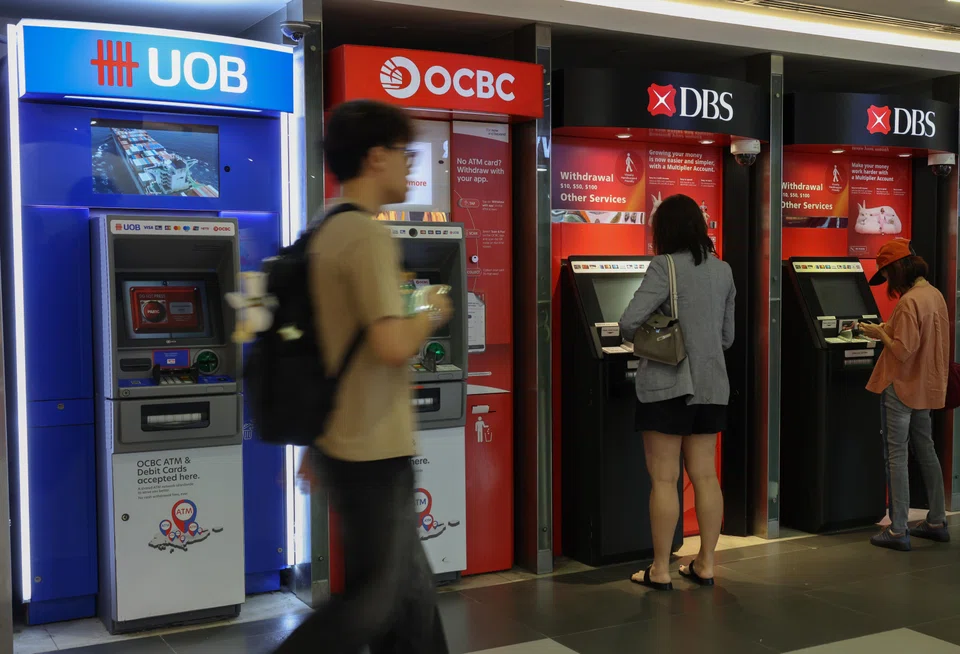
Singapore banks DBS, OCBC and UOB have similarly sounded the alarm.
At the Singapore Fintech Festival, Chia Der Jiun, managing director of the Monetary Authority of Singapore (MAS) urged the audience not to hand over their financial account details to agents.
Yet restricting access is not a permanent move. What it does is to buy banks time to work out how to make agentic AI access to financial accounts secure.
It won’t be long before banks find themselves serving two types of customers: humans and their AI agents.
Security safeguards have not caught up with the technology. Many AI agents do not have security controls, and banks have little visibility into who these agents are or what mandates they have been given.
If your agent is not carrying out instructions as it should, banks have no way of knowing.
The danger is compounded by the speed and scale at which agents can act. Between bedtime and breakfast, an AI agent could have already made thousands of transactions.
And when things go awry, who is to blame? The question remains unresolved, even as technology races ahead.
“Know Your Agent” could secure bank transactions
That is why MAS is getting ahead of the regulatory curve, with its plans for a “Know Your Agent” protocol that could pave the way for AI agents to securely carry out financial transactions.
Such a balanced approach is preferable to blocking access indefinitely or granting blanket permissions and leaving customers to bear the fallout.
MAS’ message is clear: The technology is not yet safe enough, but the industry needs to work towards a solution rather than pretend agents can be kept out forever.
In the meantime, by all means, experiment with AI agents. See how they can help with work or mundane tasks.
But giving them unfettered access to bank accounts or sensitive personal information for convenience is a recipe for disaster.
The biggest rule of cyberhygiene is to trust no one, especially not a machine. As AI evolves at breakneck speed, a quote from Harry Potter comes to mind.
“Never trust anything that can think for itself if you can’t see where it keeps its brain,” warned Arthur Weasley from the fantasy series.
One need not be a Luddite to understand the wisdom of those words, especially in the age of AI.
TRENDING NOW

As Indonesia picks new vice-president to succeed Gibran, investors see risks and opportunities

Seatrium to lay off 2% of its Singapore workforce

Singapore telco recovery at least 2 years away despite StarHub-M1 merger, say analysts

Why Singapore, Johor and Riau Islands should build a cross-border ecosystem for AI

