

A GST hike in 2022 would imply hope, more than fear

Janice Heng
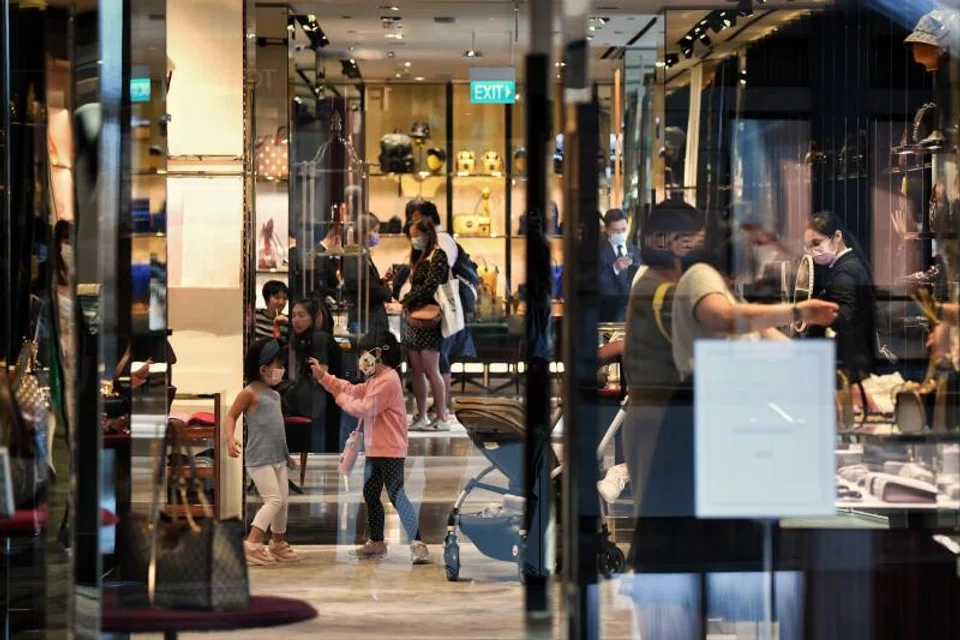
THERE is never a good time to make an unpopular and possibly growth-hurting move such as raising the Goods and Services Tax (GST) rate. But some timings may be better or worse than others.
If the government decides to implement this hike in 2022, as suggested in Prime Minister Lee Hsien Loong's New Year Message, this would point to its confidence in Singapore's continued recovery.
In his message on Friday evening, Lee implied that the time was ripe. Noting that the need to raise GST has been known for some years, he said: "Now that our economy is emerging from Covid-19, we have to start moving on this."
When the 2-percentage-point hike was announced back in 2018, it was originally due to take place between 2021 and 2025.
Given this timeframe, some economists have felt the government can afford to hold off for at least another year, so as not to jeopardise the continued recovery.
Why now? One cynical view is that the accumulated drain of 2 years of Covid-19 support - and the risk of this extending into 2022 - has made it necessary to raise the rate sooner rather than later.
Yet if anything, economists see the government as having greater fiscal space now. Some argue that with tax revenue having already recovered past pre-Covid levels in the first half of the soon-ending financial year, there is fiscal leeway for the hike to be put off.
Even those who expect the GST hike to be in 2022, such as DBS senior economist Irvin Seah, see it as a move to "build up the fiscal coffer again", rather than fund ongoing outflows. He expects the fiscal stance to turn "modestly contractionary" in Budget 2022.
In his message, Lee himself said: "We will progressively phase out emergency support measures as businesses revive, though a few sectors will take longer."
He framed the GST hike in terms of longer-term policy goals related to healthcare and support for the elderly, saying: "Budget 2022 will therefore lay the basis for sound and sustainable government finances for the next stage of Singapore's development."
Granted, even if the recovery can weather the GST hike, there is still the worry of rising inflation.
Indeed, the risks for inflation - not for growth - are why Maybank Research analysts Chua Hak Bin and Lee Ju Ye believed that the hike will be put off to 2023, as mentioned in their 2022 outlook.
The expectation is already for a greater pass-through of costs to consumers in 2022. A GST hike would exacerbate this, and have direct effects in the service industry.
In tightening foreign exchange policy in October, the Monetary Authority of Singapore (MAS) made no mention of a potential GST hike.
But Citi economists Kit Wei Zheng and Ang Kai Wei had noted before the decision that it would be hard to justify normalisation if the hike was not taking place in 2022.
Regardless, a hike in 2022 would provide greater impetus to keep inflationary pressures in check by further tightening policy in April and/or October 2022.
As for whether a GST hike implies that wealth taxes remain off the table, it is hard to say. The Citi economists expect Budget 2022 to include not just the GST hike but also "some form of wealth tax", likely targeting property.
TRENDING NOW

Good Class Bungalow market activity picks up pace on ‘realistic’ pricing
Indonesia imposes US$116 million in fines over manipulation of Sinar Mas, Prajogo-linked stocks

Singapore identifies 7 firms responsible for haze fires, notices issued urging action: Grace Fu

Once staunchly pro-China, Malaysian Chinese businesses are now distancing themselves from Beijing

