Abegate may be just the tip of the iceberg
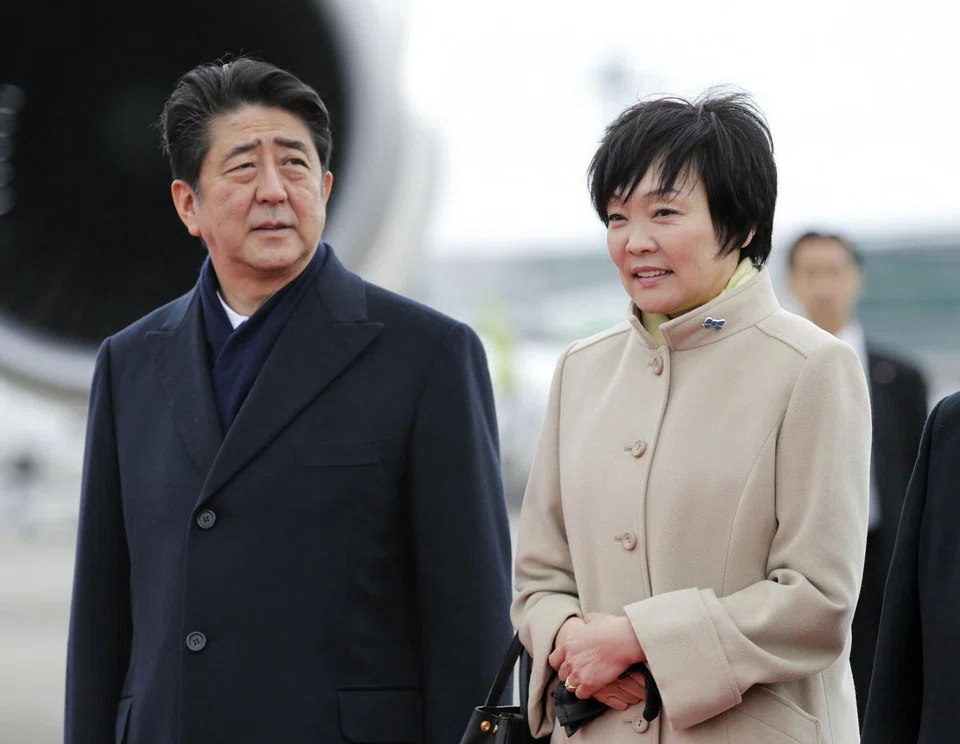
NOW that Japanese Prime Minister Shinzo Abe and his wife, Akie, have denied involvement in a land sale to a controversial Osaka school, and rejected allegations that they donated to the establishment, it may seem that the matter is at an end. But this is by no means assured.
The affair is of byzantine complexity but basically it centres upon why a school with a highly "nationalistic" curriculum and which taught pupils to revere Mr Abe, and to which Mrs Abe allegedly gave a financial donation, was able to acquire state-owned land at a deeply discounted price. The critical, and so far unanswered, questions are why the so-called "Abegate" affair came to light when it did, and who played the leading role in bringing it to light. The move was clearly not motiveless. A game is not lost at the opening gambit and the "end game" is probably yet to come. The next step could be for opposition parties to Mr Abe's Liberal Democratic Party (LDP) to submit a no-confidence vote against him in parliament. This would almost certainly fail, given the super-majority his coalition commands, but the smear tactic would leave its mark.
That matters, because of the timing. Tokyo gubernatorial elections are due in July and Abegate may influence the outcome. Tokyo governor Yuriko Koike has often been mentioned as a challenger to Mr Abe for the LDP leadership and to become Japan's first woman prime minister.
Mr Abe appeared all but invincible until a month or so ago when he won approval from the LDP to run for an unprecedented third term of office, and so he could, theoretically, remain in office until beyond the Tokyo Olympics in 2020. The next LDP presidential elections are due late next year. Whether Abegate will be forgotten by then or whether it remains a political factor depends upon the impact it has upon Mr Abe's standing and that of his party. It has already dented the image of both quite sharply. Mr Abe's grip on his party remains strong with "nobody in the LDP rising up to the opportunity offered by this scandal", one veteran analyst has observed. But it would be impolitic for anyone to rise up just now and be seen to be exploiting the situation.They will bide their time. A key figure could be former LDP secretary general and defence minister Shigeru Ishiba who challenged Mr Abe for the party presidency in 2012. The current Defence Minister, Tomomi Inada, is also said to be vying for the party leadership but she herself has been caught up in Abegate.
All the "noise" over the affair has come from the Opposition led by the Democratic Party and the Communist Party. But this does not mean that other forces are not conspiring to unseat Mr Abe, or that the veneer of LDP party discipline does not reveal inner cracks. By securing a third term in office, Mr Abe may have become vulnerable to attack from various forces who are unwilling to wait until 2021 before throwing their hats into the ring. Just who they are may emerge before very long.
There is more at stake in all of this than Japanese domestic politics and power plays. If Mr Abe remains in power, he will almost certainly push constitutional reforms that could bring Japan closer to the brink of physical conflict with neighbours. Not everyone wants that. Mr Abe's demonstrated links, and those of his wife, with the Moritomo Gakuen school in Osaka, whose curriculum is redolent of pre-war nationalism, may give rise to unease over the prospects for continued peaceful coexistence among countries in East Asia. Far from being a "little local difficulty", Abegate may be the tip of an iceberg of impending unrest that has been floating beneath the surface of an apparently calm political sea in Japan.