

Abenomics gets benefit of the doubt - and a second wind
 Add BT as a preferred source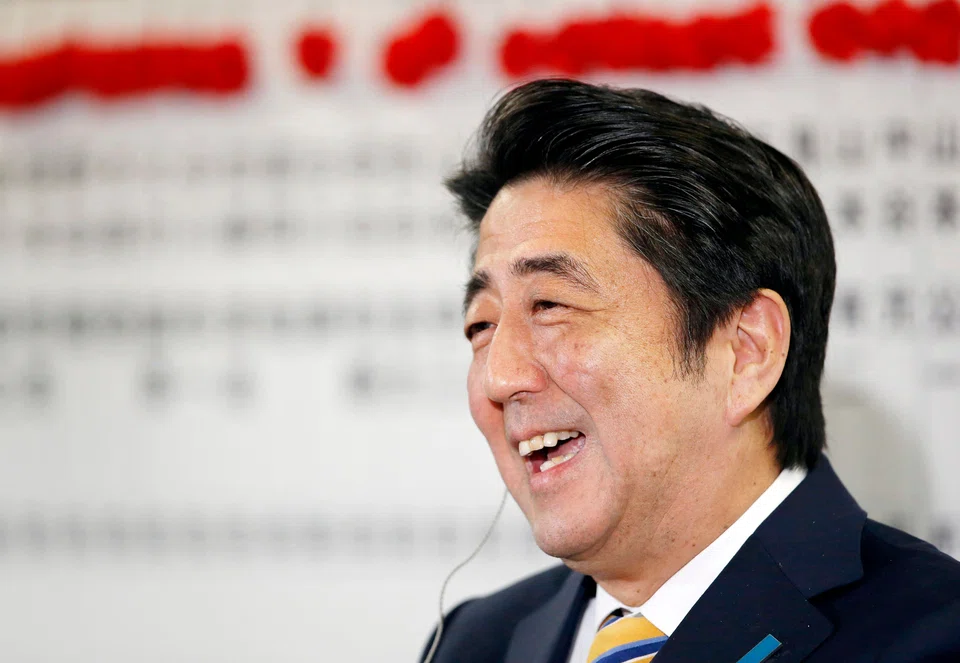
DeeperDive is a beta AI feature. Refer to full articles for the facts.
JAPAN's general election over the weekend produced few surprises. Prime Minister Shinzo Abe was returned to office and has succeeded in retaining his coalition's two-thirds majority in the lower house of the Japanese parliament.
He is now set to remain in power until 2018, which will make him Japan's longest-serving prime minister in four decades. This spells many positives for Japan - particularly in terms of policy continuity and stability - but may also raise some concerns.
Mr Abe's calling of a snap election almost a year before his first term was up was at once an act of opportunism and pragmatism. Opportunism, because he surely knew that despite his relatively low approval ratings and still-patchy economic record, there was no viable alternative to his coalition. The opposition Democratic Party of Japan (DPJ) has been in disarray, weakened by infighting, a lack of leadership and poor finances. Despite being critical of Mr Abe's policies in a number of areas, the DPJ was unable to come up with any serious alternatives.
Copyright SPH Media. All rights reserved.
TRENDING NOW

From 1MDB to ‘corporate mafia’: Is Malaysia facing a new governance test?

Middle East-linked energy supply shocks put Asean Power Grid back in focus

Beijing’s calculated silence on the Iran war
DPM Gan warns of 3 structural shifts to the global system that will bring greater challenges – and opportunities

