

Asia’s new flying geese
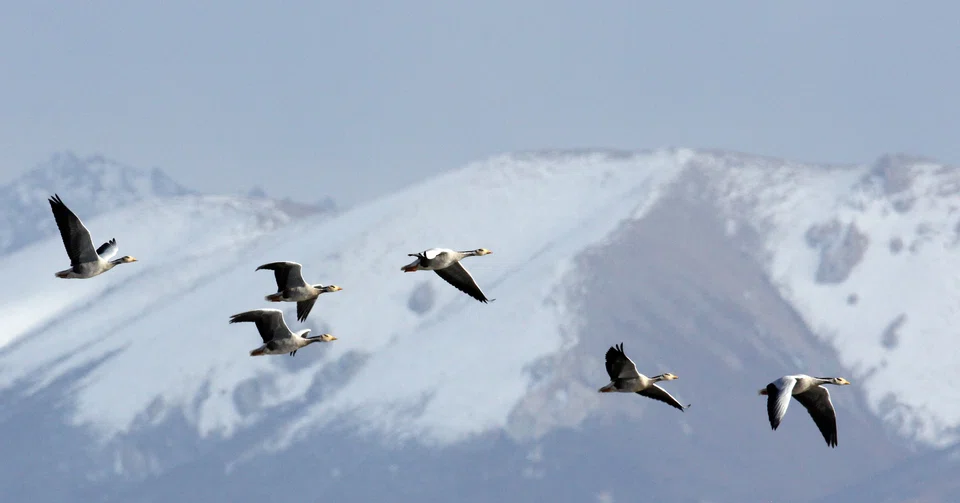
THE term “wild-geese-flying pattern” of economic growth is a literal translation of the Japanese term “ganko keitai”, which was coined by economist Kaname Akamatsu to describe the pattern of economic development he empirically observed in Japan.
Post-war Japan was the lead goose, which started out by producing low-value products such as garments. Then, as its costs rose, it relocated production in the 1960s to the next flock of geese, the newly industrialising economies (NIEs) of Hong Kong, South Korea, Singapore and Taiwan.
As the NIEs caught up with Japan in the early 1990s, they helped set fly the next flock of geese: the Asean-4 (Malaysia, Thailand, the Philippines and Indonesia) and China. The Asean-4 economies did not fully take off, but China soared.
TRENDING NOW

Once staunchly pro-China, Malaysian Chinese businesses are now distancing themselves from Beijing

Looking beyond looming CEO succession, should UOB potentially pursue a transformative merger?

Could stablecoins be the future of money?

Grab CEO’s wife Chloe Tong on life with Anthony Tan and finding her purpose

