

China's 'New Silk Road' plan offers investment opportunities in Mid-East
Underpinning this development is the yuan, increasingly used to fund international trade and investment, as well as featuring as a reserve currency among some central banks.
 Add BT as a preferred source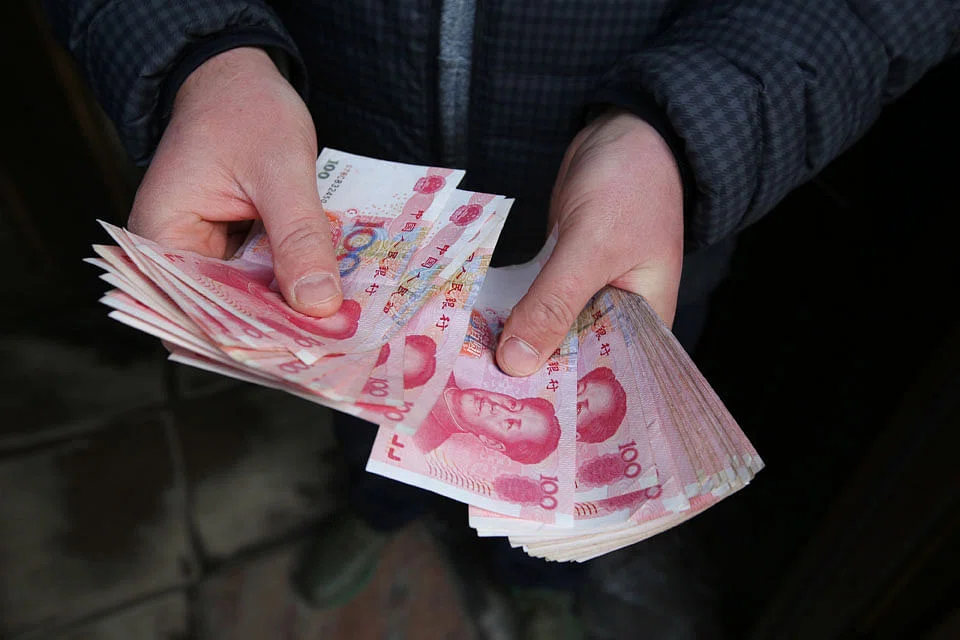
DeeperDive is a beta AI feature. Refer to full articles for the facts.
MUCH has been written about the opportunities associated with China's economic transformation. This is seeing the nation's economy move from being a provider of low-value industrial products to a supplier of higher-value goods and services. With this change taking place at breakneck speed, and across all aspects of the country's development, what is sometimes overlooked is an even bigger opening: China's overseas agenda.
In 2013, President Xi Jinping initiated the "One Belt, One Road" initiative, a master plan central to Mr Xi's foreign policy, which aspires to rejuvenate two ancient silk routes - one by land and the other by sea, commonly referred to as "Belt" and "Road" respectively. The former connects central and western parts of China with Central Asia, Russia and Europe; and the latter touches South-east Asia, India and Africa. As highlighted by the plan's blueprint, which was rolled out by China's Ministry of Foreign Affairs in March 2015, these regions will have access to economic, political and financial assistance from China.
Playing a central role in both routes is the Middle East. Indeed, the Gulf Cooperation Council (GCC) states - Bahrain, Kuwait, Oman, Qatar, Saudi Arabia and the United Arab Emirates (UAE) - are already playing an important part in China's development story, as they provide a significant proportion of the nation's oil and other industrial commodities.
Copyright SPH Media. All rights reserved.
TRENDING NOW

Shelving S$5 billion office redevelopment plan proved ‘wise’ as geopolitical risks mount: OCBC chairman
OCBC is said to emerge as lead bidder for HSBC Indonesia assets
Middle East-linked energy supply shocks put Asean Power Grid back in focus

Eurokars Group introduces rental car franchises Enterprise Rent-A-Car, National Car Rental, and Alamo to Singapore

