

Don’t let RFK Jr distract from the big health threat: Sugar
It’s not the food dye in Froot Loops that Americans should fear; it’s the more than 30 kilograms of sugar they consume a year
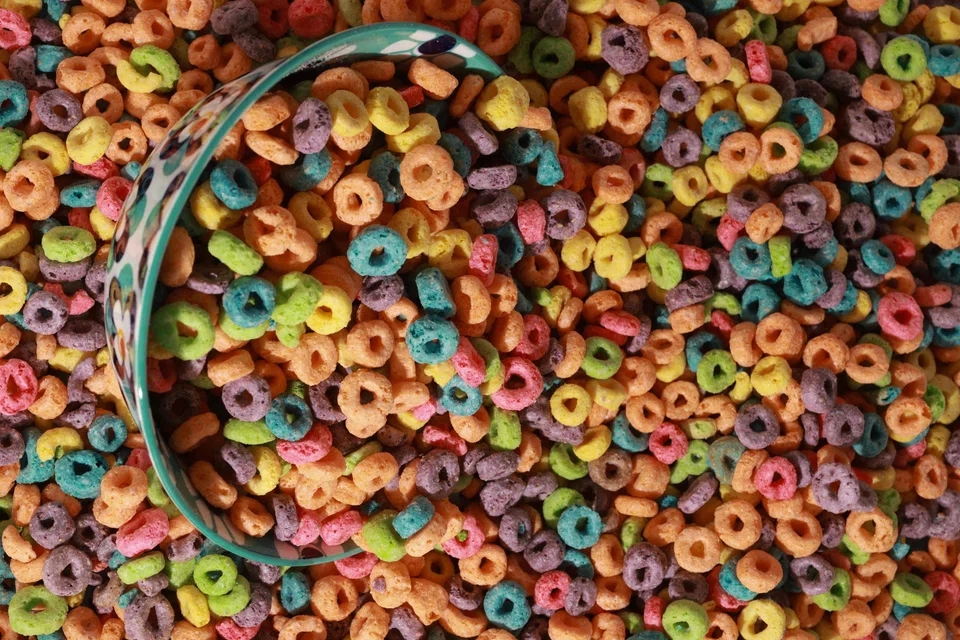
ARE there “toxic chemicals” in food killing Americans? That fear is getting lots of attention thanks to Robert F Kennedy Jr, president-elect Donald Trump’s pick to head the Department of Health and Human Services. Kennedy contends that substances banned in Europe are tainting our cereals and other processed foods.
Kennedy has targeted Froot Loops as an example of the failings of the US food regulation system. The US version of the cereal, for example, gets its flavouring and vibrant colours from artificial food dyes. In contrast, the Canadian version’s flavours and muted colours come from ingredients such as the concentrated juices of watermelon, blueberries and carrots.
But that doesn’t mean the dyes used in US food are toxic or killing anyone. Other countries take a more cautious approach to food additives, sometimes banning them because they can’t be proven safe beyond a shadow of a doubt.
The European Union recently banned titanium dioxide, a colouring agent, from food products, though it’s considered safe in Canada, New Zealand, Australia, Japan, and the US. A toxicologist who’s done testing for the industry told me the chemical didn’t cause cancer in rats fed massive amounts. Concerns surfaced after a 1986 study in which the animals were made to inhale the additive at a concentration of 250 milligrams per cubic metre.
To put that in perspective, that amount is 50 times as dense as the dust in a typical dust storm, he said. “For a rat to live a week in that is amazing, or even a day… They lived two years,” he said. But titanium dioxide was still banned because testing couldn’t rule out that it might damage DNA and cause cancer.
There also are some food dyes that aren’t banned but that the EU requires to have warning labels, which discourages the industry from using them.
In the US, the FDA sometimes requires the industry to show data from animal testing before authorising a new additive. But feeding even large quantities of an additive to rats and mice over weeks or months can’t perfectly predict its effects on humans over the years, said Michael Jacobson, a biochemist and founder of the consumer advocacy group Centre for Science in the Public Interest. He said that while researchers might be able to check for things such as organ damage and cancer, these studies would not be able to flag a chemical that causes ADHD or lowers IQ.
The FDA also allows some ingredients into our food without animal testing under a category known as Gras, for Generally Recognised as Safe. The category includes some well-known ingredients such as vinegar, yeast and caffeine. But there are loopholes and errors. Jacobson said his group spent years fighting trans fats, once considered healthier than animal fats. Trans fats were finally banned in 2018 after evidence piled up that they increased the risk of dementia and heart attacks.
Despite the varying approaches to testing and deciding which additives to ban, there is one ingredient that nearly all experts agree is harmful to our health: sugar.


Obviously, sugar won’t kill you in small quantities, but as Swiss physician and chemist Paracelsus recognised 500 years ago, the dose makes the poison. Sugar is listed as the second ingredient in Froot Loops. The average American consumes more than 30 kilograms of sugar a year.
That’s too much, contends Robert Lustig, a paediatrician specialising in hormonal disorders and obesity at the University of California San Francisco School of Medicine. “While all of these other things in processed food are bad, none of them holds a candle to sugar,” he said.
He is concerned with fructose, a component of sugar and other sweeteners, including high fructose corn syrup, maple syrup, honey and agave. It acts very differently in our cells from glucose, the building block of starches.
He described how fructose triggers the production of fat in the liver, leading to what he calls metabolic derangement and, eventually, Type-2 diabetes. The toxic effect was demonstrated not just in animals but in people. In one study, he and colleagues monitored children on their typical home diets, then again after replacing some of the sugar in their diets with starch. They kept the calories the same. After just a few days, the children had less fat in their livers, lower blood pressure, lower serum triglycerides, and their insulin production normalised.
Fruit contains fructose, but an apple has five grams compared with 10 grams in a 227-gram Coke. The fibre in most fruit protects the liver from the incoming assault – which is why juice can raise the risk of diabetes while fruit does not. Lustig doesn’t dismiss the harm caused by other additives, bisphenol A (BPA), or other chemicals that sneak in from packaging – but he estimates that sugar is causing 80 per cent of our food-related health troubles.
We can’t ban sugar, but Jacobson of the Centre for Science in the Public Interest said other countries have successfully reduced sugar consumption by taxing sugary drinks. In Chile, foods high in sugar and other ingredients deemed harmful must carry a warning label – shaped like a stop sign – and can’t be marketed to children or sold in schools. Several other countries, including Israel and Mexico, have tried similar warning systems.
Taking the artificial dyes out of Froot Loops can’t hurt, but it probably won’t help much. Taking away the friendly Toucan and slapping on a stop sign – that might be a start towards making America healthier.
Decoding Asia newsletter: your guide to navigating Asia in a new global order. Sign up here to get Decoding Asia newsletter. Delivered to your inbox. Free.
Share with us your feedback on BT's products and services






