

Facebook's Libra puts your privacy rights at risk - more than you realise
As Facebook sets its sights on our behavioural, personal and financial data, it is important that we fully grasp how it - and other tech giants - may utilise our information, and what is at stake.
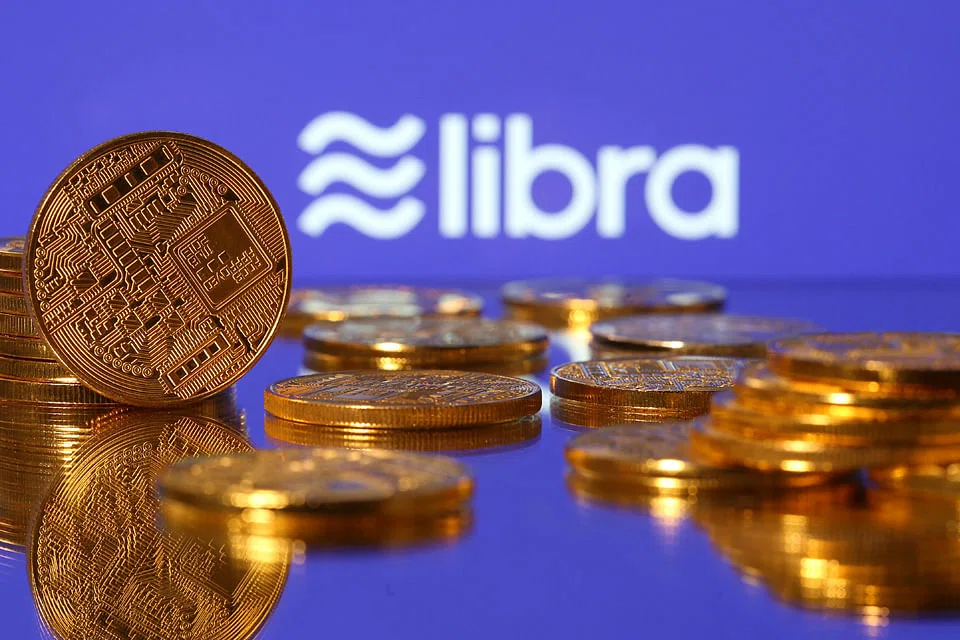
SINCE Facebook announced its plans to launch Libra, the world's "first" digital currency, the company has taken hits to its battered reputation from every direction.
With a record US$5 billion fine for privacy violations in the Cambridge Analytica scandal, to the backlash following the release of The Great Hack - it is a wonder why anyone would risk their livelihood by using Libra.
This is a concern that is top of mind for regulators everywhere. This week, global regulators from 26 central banks began questioning heads at the Libra project amid concerns around the use of consumer data and the threats that it poses to financial stability.
Despite all the criticisms, Facebook is pushing an elaborate campaign to reassure regulators, politicians and - most importantly - the public that there is an action plan to overhaul their entire business model to become privacy-focused. Yet what is more telling is that key spokesmen from Facebook and its subsidiaries continue to sidestep important questions concerning loopholes in their privacy statements.
It is this dodging nature that should raise red flags for anyone who is concerned about their right to financial privacy. So while regulators and governments grapple with the risks of Facebook disrupting the global financial systems, here are some more sinister privacy threats the general public should be wary of.
Facebook will know more about you than anyone
The social data that Facebook has been collecting for over a decade is so rich that it has directly impacted two of the most historic plebiscites of the 21st century - the Brexit referendum and the US presidential election of 2016.
Now, Calibra - the newly established subsidiary of Facebook - will start collecting sensitive personal information and financial data as well.
Let's look at two separate claims that Facebook has made about the nature of data sharing between Calibra, Facebook and the Libra Association:
"Calibra will not share individual customer data with the Libra Association, no matter how it might be collected, nor will Calibra receive other personally identifiable user data from the Libra Association.
"Aside from limited cases, Calibra will not share account information or financial data with Facebook, Inc or any third party without customer consent . . . The limited cases where this data may be shared reflect our need to keep people safe, comply with the law, and provide basic functionality to the people who use Calibra."
Facebook is positioning Calibra as an entirely separate entity that will keep all our financial and personal data separate from data held by The Libra Association - note that the Libra Association is not Facebook. However, the glaring truth is that "to provide basic functionality" is an enormous grey area and one where Facebook will most likely push the boundaries.
Calibra's privacy document ends with the note that "these forward-looking statements may differ materially from actual results" - which poses the question: How far does Facebook's new-found commitment to user privacy stretch?
And the risk to users? The unification of Facebook's social data (which includes facial identification data with a 97 per cent accuracy rate) with our personal and financial data will give Facebook access to more information about us than any other government, company or institution on the planet.
The question is: How will Facebook use this data?
Facebook will use your data to their advantage
Given the incentive to monetise our data profiles, it is naïve to believe that Facebook will keep our financial data truly anonymous and unattached to the social information that it can already access.
For an advertising behemoth like Facebook, such data would add billions of dollars in annual revenue. Through their platform, advertisers could identify with absolute precision profitable consumer segments.
Adding to this concern is the fact that it is possible to de-anonymise data; the forensic tools to do so already exist. This is because most blockchains offer only pseudo anonymity as the transaction details such as timestamps can still be used to map out a behavioural footprint.
Libra will undoubtedly drive more spending through on the social networking site, yet so far Facebook has shown no interest in partnering with other wallets in the space; in fact, the only wallet that it intends to integrate with is its own Calibra.
What users should also begin to question is how Facebook intends to protect the financial and personal information that will inevitably be going through its messaging apps. For example, most people use WhatsApp thinking that the platform allows for end-to-end privacy, but the truth is, certain loopholes have been identified that would allow Facebook to identify Whatsapp users and conversations, and match it back to their other social profiles.
Facebook and WhatsApp can share information between the two applications when the encryption is no longer in effect. The data in these shared files are not protected to the same standard - it would take only a basic computer science degree to piece together the information to construct entire conversations. This means that even if Facebook never intends to match the data, it is not impossible to do so.
Personal identity theft will become more pervasive
Many users do not understand that no single system is 100 per cent secure, and often it is not a matter of "if" but "when" an organisation's data might be compromised.
Often it is users who bear the brunt of these incidents too. In 2018 alone, consumers reported losing an estimated US$14.8 billion to fraud and identity theft.
The silent impact on victims is often extreme, as proving that your identity has been stolen is difficult. It can place severe financial, emotional and physical stress and burden on the victims - in fact, 7 per cent of victims surveyed by the Identity Theft Resource Centre reported feeling suicidal.
Libra puts whole new risks on the line as we have yet to see the large-scale impact of identity theft involving social, financial and government data.
If one thing is certain now, more than it was before, it is that Facebook has proven itself unworthy to be trusted with our personal and financial data.
However, lured by convenience, excitement and low costs, users will likely quickly adopt Libra and Calibra before they fully understand the consequences.
It is imperative that those who understand the technology and the discrepancies in Facebook's privacy promises begin educating users on how to best protect their personal data. Doing so will help to empower individuals to assess whether the benefits of using Libra outweigh the risks of sharing so much data with Facebook.
TRENDING NOW

Grab CEO’s wife Chloe Tong on life with Anthony Tan and finding her purpose

8 public officers referred to police over property buys near unannounced MRT stations: Chan Chun Sing

DBS tops trades in smaller board lots on debut of revised SGX framework

Deal between tycoon friends sparks scrutiny of Philippine power sector

