

Grab's share price fall reflects some difficult realities for the company

Tay Peck Gek
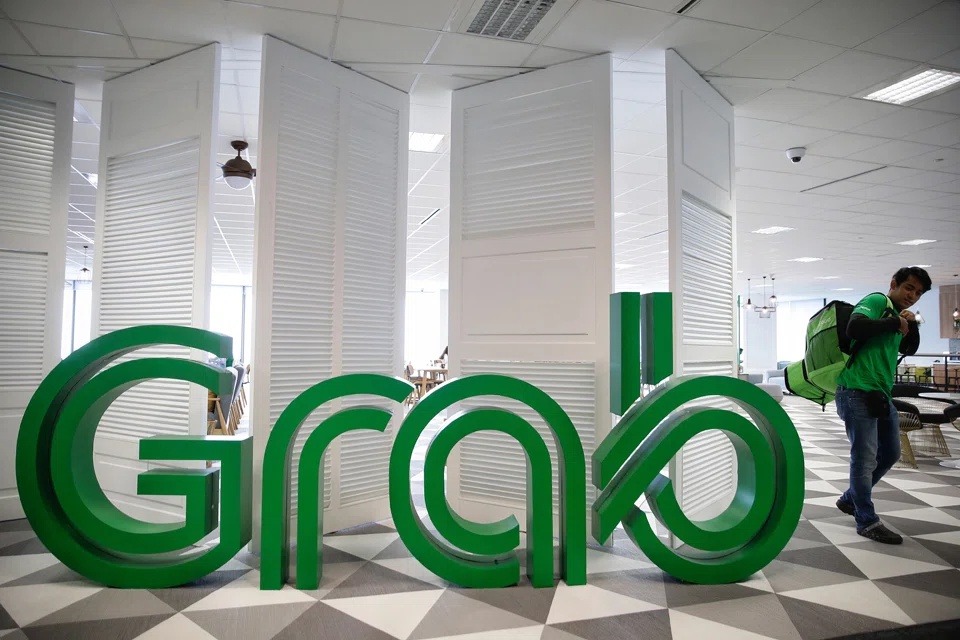
SHARES of digital services platform Grab closed at US$5.51 on the Nasdaq last Friday (Jan 28). This means almost half of the US$40 billion market value the Singapore-based company had garnered for its initial public offering has been wiped off - all in just 2 months.
Grab made its trading debut on Dec 2, 2021, closing 20.5 per cent lower on the first day after consummating its merger with special purpose acquisition company Altimeter. It broke below US$6 about a fortnight ago. The counter has declined 22.7 per cent in the year to date.
Granted, tech stocks have been routed since the beginning of this year due to concerns over inflation and rising interest rates. But the plunge in Grab's share price is greater than the 11.43 per cent slide in the technology-heavy Nasdaq 100 index during the same period. Thus, the precipitous drop in Grab's share price should not be wholly attributed to the bearish market sentiment.
The negative sentiment stands out when contrasted against the glowing endorsements from analysts. All 9 who issued reports on Grab in these last 2 months have rated the stock a buy, overweight or outperform, according to Bloomberg data. Their target prices range from US$7.90 to US$13.
More pain to come?
Grab offers a mix of ride hailing, meal and grocery delivery, and financial services in South-east Asia through its mobile application.
It came to market amid significant excitement about its potential to scale up across the region.
But the latest data from Nasdaq showed short interest in Grab has been rising, with a volume of 53.3 million shares as at mid-January. That was 44 per cent more than the 37.1 million in short interest as at end-December. And the year-end number is, in turn, higher than the 29.5 million shares shorted as at mid-December 2021.
The current short interest translates into 2.07 per cent of Grab's float, according to Bloomberg.
Average daily share volume in Grab halved from 26.7 million in mid-December to 11.3 million at the end of that month, before going up to 18.7 million a fortnight ago.
Valuations and fundamentals
Some market watchers have predicted that investors will grow more discerning this year, and be warier of companies that aren't able to turn a profit.
In fact, worries about the sustainability of growth at platform companies has been around for some time.
Grab's lacklustre performance seems to track those of its peers after their debuts. This could be due to the entities being grossly overvalued when they went public, or it could be attributable to investor scepticism about the profitability of these former decacorns - regardless of the operating metrics they tout or the recommendations of analysts.
With no dividends - and, indeed, not even the prospect of dividends - the opportunity cost of holding such stocks amid an inflationary environment is higher.
Also, while it appears to be making inroads in key regional markets with its ride hailing and delivery verticals, Grab's ambitions for digital banking might require more of its attention and resources as the Monetary Authority of Singapore (MAS) could end up tightening its screws on new digital bank licensees like Grab in the aftermath of the OCBC phishing scams.
Already, MAS had said it is evaluating measures to prevent banking customers from falling prey to trickery. It is also intensifying its scrutiny of major financial institutions' fraud surveillance mechanisms to ensure they are adequately equipped to deal with the growing threat of online scams.
Furthermore, consumers could be wary of using a pure digital bank's services given recent events. They might feel the need to be certain that they have brick-and-mortar branches to turn to should they have an urgent need. Thus, customer acquisitions could end up costing the digital banks more than expected. Grab may have had plans to cross-sell financial services to its existing clientele. It may now find these clients require more persuasion to quit the incumbent banks.
TRENDING NOW

Malaysian king buys stake in Singapore-listed mining firm expanding into rare earths

Grab CEO’s wife Chloe Tong on life with Anthony Tan and finding her purpose

Once staunchly pro-China, Malaysian Chinese businesses are now distancing themselves from Beijing
Longer wait times expected as S’pore healthcare institutions report system disruptions

