

The Greek crisis: wild cards and the Russian connection
It cannot be excluded that Mr Tsipras insidiously hatched a plan with Mr Putin to get help from Russia in meeting financial commitments, while staying in the Euro.
 Add BT as a preferred source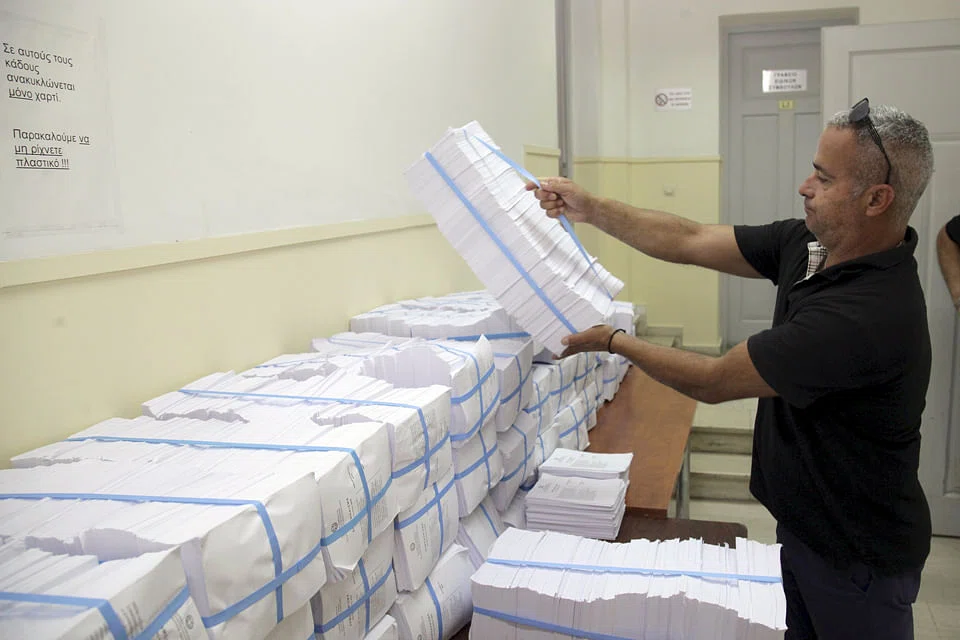
DeeperDive is a beta AI feature. Refer to full articles for the facts.
THE Greek referendum set for July 5, 2015, is about "yes or no to Europe."
The nation is divided. One camp is for the Euro, for membership of the European Union (EU), and ultimately for "Europa"; the other is against the Euro, against EU membership and ultimately against Europe. Families, friendships, organisations and businesses will split right through the middle. The two camps will hate each other for a generation.
A prosperous, well-functioning Greek society playing a role in Europe, in the southeastern part of Europe, well-anchored in an alliance with Western countries, looks remote. More likely Greece will serve as a European edition of a semi-failed state. It is urgent to get the country going again - whether it is yes or no - but extremely difficult in such a climate. Long-term confidence among overseas investors will dwindle from an already low level.
Copyright SPH Media. All rights reserved.
TRENDING NOW

Shelving S$5 billion office redevelopment plan proved ‘wise’ as geopolitical risks mount: OCBC chairman
OCBC is said to emerge as lead bidder for HSBC Indonesia assets

Middle East-linked energy supply shocks put Asean Power Grid back in focus

Eurokars Group introduces rental car franchises Enterprise Rent-A-Car, National Car Rental, and Alamo to Singapore

