

Human trafficking and the link to fraud in firms' supply chains
A strategic approach that leverages procurement data, analytics and due diligence, and comprehensive regular audits are needed to detect fraud in supply chains.
 Add BT as a preferred source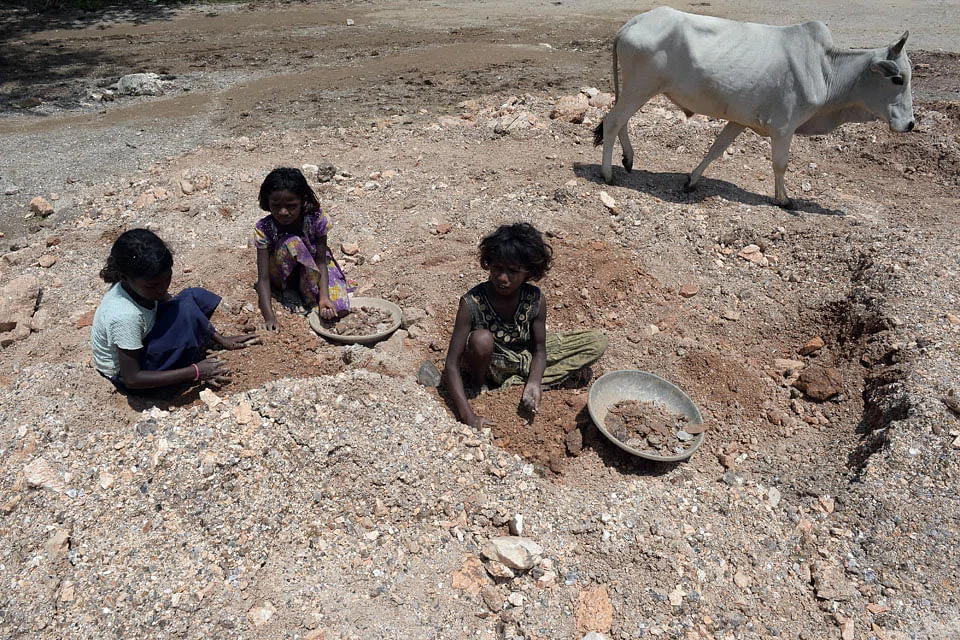
DeeperDive is a beta AI feature. Refer to full articles for the facts.
FRAUD can happen anywhere within a company's supply chain and affect companies in any sector. The problem is exacerbated in developing markets, where the risk of fraud and corruption may be higher and the rule of law weaker. While regular audits of vendors is increasingly accepted as a best practice in many industries, the risk of improper payments, corruption and fraud by vendors remains high.
Furthermore, with a growing demand for companies to implement sustainability practices, and a parallel emergence of related regulations, it is imperative for companies to get ahead of potential ethical risks such as forced labour, land disputes and poor working conditions within their supply chains.
In the last year, numerous headlines exposed instances of forced and child labour, land disputes and poor working conditions in the supply chains of prominent global brands, particularly those in the electronics, garment and seafood industries. Conventional approaches to due diligence and compliance are often inadequate to detect these violations, especially in increasingly complex and multi-jurisdictional supply chains.
Copyright SPH Media. All rights reserved.
TRENDING NOW

Shelving S$5 billion office redevelopment plan proved ‘wise’ as geopolitical risks mount: OCBC chairman
OCBC is said to emerge as lead bidder for HSBC Indonesia assets

Middle East-linked energy supply shocks put Asean Power Grid back in focus

Eurokars Group introduces rental car franchises Enterprise Rent-A-Car, National Car Rental, and Alamo to Singapore

