

It's possible to be profitable and principled
How? Compensation systems should be designed to reward people for ethical behaviour and sound decisions, not just for outcomes.
CALLED out for infractions ranging from antitrust and privacy concerns in the tech world to compliance-officer liability in the pharmaceutical industry to unethical practices in the banking and accounting professions, more than a dozen companies made it into Compliance Week's list of the biggest compliance fails in 2019.
BIG TECH
In March, the European Commission hit Google with a 1.49 billion euro (S$2.38 billion) fine - the third in three years for the Internet giant - for breaching competition rules. Google was fined for blocking rival online search advertisers from getting a foothold in the market.
In the US, Facebook was facing regulatory troubles: After a year-long investigation prompted by the Cambridge Analytica scandal, the Federal Trade Commission (FTC) in July slammed the social media giant with a groundbreaking US$5 billion penalty for deceiving users about their ability to control the privacy of their personal information. It was the largest fine handed out for violating consumers' privacy and nearly 20 times more than the largest penalty related to data privacy or security ever imposed world-wide.
More impactful than the penalty amount was the FTC's 20-year settlement order, which imposes significant structural reform on how Facebook must do business from hereon, including practising greater corporate accountability and doing more rigorous compliance monitoring.
OPIOID DRUG MANUFACTURERS AND DISTRIBUTORS
The Report also revealed that the pharmaceutical industry has a serious drug problem, following several significant enforcement actions against drug-makers. These include:
KPMG
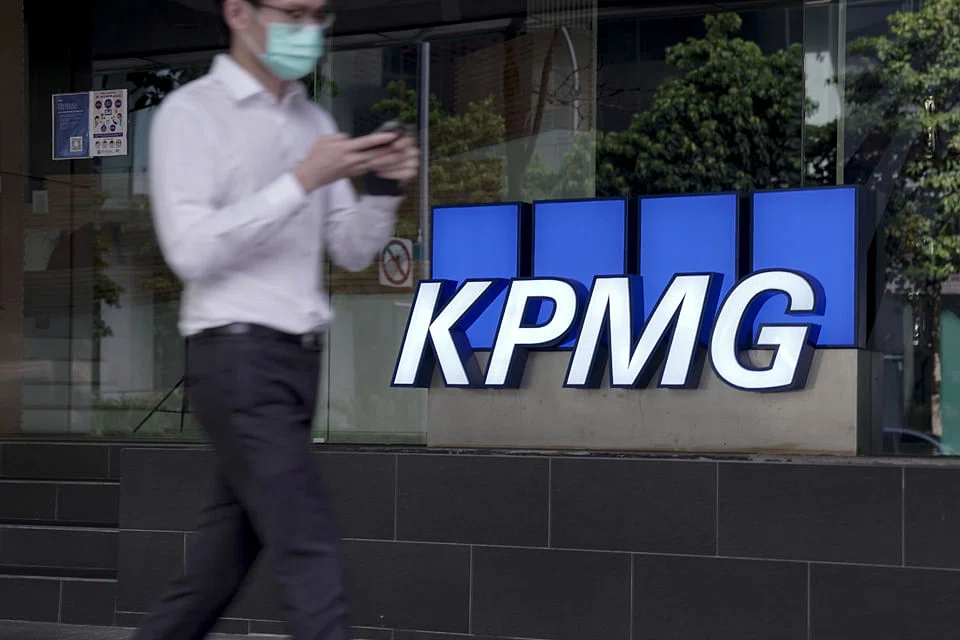
Among the Big Four, KPMG has had a difficult year, culminating in a $50 million settlement with the Securities and Exchange Commission (SEC) over allegations that its audit leaders not only stole confidential information belonging to the Public Company Accounting Oversight Board in an effort to improve the results of the Public Company Accounting Oversight Board's annual inspections of KPMG audits, but also cheated on internal exams that were intended to test whether they understood a variety of accounting principles and other topics of importance.
BANKS THAT FAILED TO HEED COMPLIANCE WARNINGS
Compliance Week reported the handful of banks that ignored the sound advice of their compliance officers. In one case, a Swiss Bank ignored recommendations made by its compliance officer to put controls in place to reduce the risk of helping bank clients evade US taxes. Ultimately, the bank made no formal policy changes until two years later, when a grand jury indicted a Swiss asset manager for his role in the tax evasion scheme. The bank will pay US$10.7 million to the DOJ to resolve the case.
I am also reminded of PP versus Nick Leeson, a criminal case over which I presided.
Nick Leeson, by his unethical, unauthorised and criminal acts at the Singapore Exchange caused the collapse of Barings Bank, a 223-year-old UK bank, which, up to 1995 was one of the world's oldest merchant banks, renowned for having facilitated the Louisiana Purchase.
The bank declared bankruptcy after losing £827 million (S$1.46 billion).
The most prominent ethical deficiency in this case was that Leeson headed both the trading desk and the settlement operations: duties usually filled by two people.
He was able to settle and account for his open trades, and hide fraudulent activities. Not only was he able to hide his losses of £200 million, in 1994 he actually reported a profit of £102 million, which amounted to 10 per cent of Barings' annual profit.
You need to separate the control groups from the trading groups.
Regulators across the world then became more aware of risk management, and imposed internal safeguards against fraud such as enforced leave of financial employees.
How can we better instill a true, dynamic, awareness of risk management in organisations, where compliance and ethics programmes are not mindlessly following limits on bad behaviour, but rather where they are living practices in good behaviour within the organisations and without?
Unless we heed the lessons, there will be more Nick Leesons, more collapsed institutions and more customers in pain.
But why do managers, even at large, prestigious banks, permit an environment where unethical behaviour seems to flourish just beneath the surface?
A number of people have attempted to answer this question.
In an April 2001 article in the Harvard Business Review titled "Ethical Breakdowns", business school professors Max H. Bazerman and Ann E. Tenbrunsel, co-authors of Blind Spots: Why We Fail To Do What's Right And What to Do About It, highlight five factors that can lead managers to overlook unethical behaviour in their organisations:
There are two probable conclusions.
First, financial institutions need to review and perhaps restructure their compensation systems so that ethical behaviour, good judgment and solid decision-making processes are rewarded - not just outcomes alone.
Top managers need to ask themselves: "What type of behaviour do we want our employees to exhibit, and how does our compensation/reward system encourage or motivate that behaviour?"
Second, organisations must promote an internal culture that recognises the reality of situational influences - people who make bad decisions, lose their moral bearings and get caught in a cycle that they did not know how to break.
The Nick Leeson case is a clear example.
So the question is: Can an organisation be profitable and principled at the same time? Is there a balance between being successful and meeting one's obligations to society?
I think so.
Organisations such as Google, Kellogg and Xerox are living proof of this concept. All three well-known and successful companies appeared on the Forbes' "Most Ethical Companies" list for 2015.
The award focuses on organisations that have missions and procedures revolving around environmental-friendly approaches to business practices. For example, Google's motto of "Don't be evil" seems to align with its business practices.
The company's Google Green Programme has donated over US$1 billion to renewable-energy projects and has decreased its own impact by investing in energy-efficient buildings and transport. The organisation is also well known for its extensive employee benefits package, which includes access to free health care and treatment from on-site doctors, free legal advice and free on-site nursery.
Organisations in the 21st century are exposed to dynamic changes, including geopolitical and protective policies. Corporations rise and fall based on their values, business culture and associated actions. Changing corporate values, breeding a principled environment and adapting customised training based on organisational need are paramount for the success of these organisations.
Consultants like RGI can serve as confidants, mentors and corporate trainers who not only make assessments and recommendations and deliver training, but who also design and develop training that meets the ever-changing needs of corporations, not off-the-shelf training. Organisations need timely, relevant training that is designed specifically for them, their environment and their culture.
TRENDING NOW

World’s largest offshore wind platform by Seatrium consortium on track to be completed by 2028

Is stamp collecting enjoying an analogue revival or are its best days over?

GovTech retrenches another 38 staff in second round of layoffs

MBS adjusted property Ebitda falls 20.6% in Q3 with fewer high-roller visits, weaker hold

