
Johor and Riau forging new paths now
A new book tells what differing government choices in managing the state-centre divide has done to the Singapore-Johor-Riau "Growth Triangle" of the early 90s.
 Add BT as a preferred source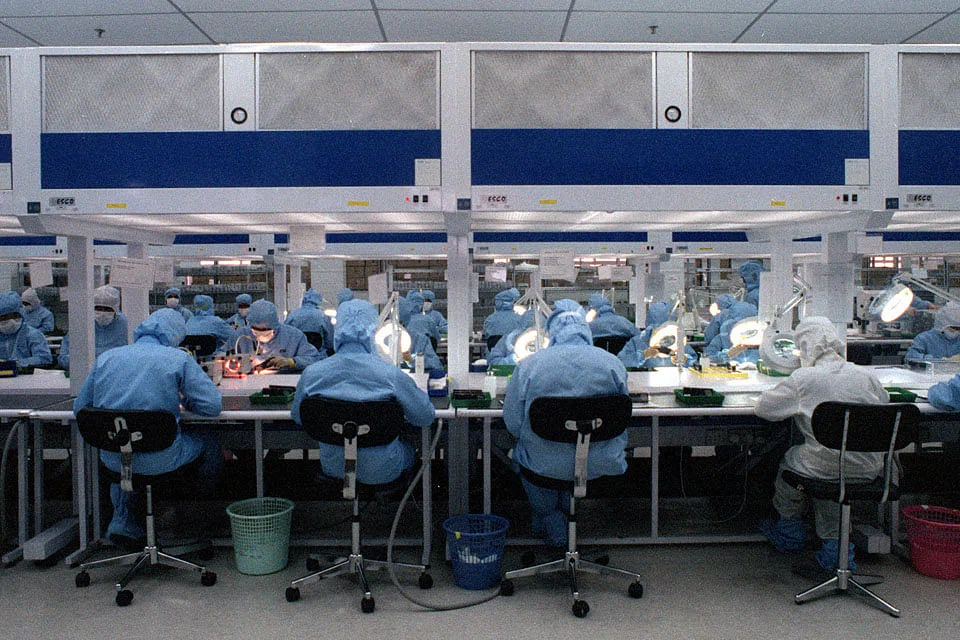
IN the early 1990s, Singapore, the Malaysian state of Johor and the Riau Islands in Indonesia sought to leverage their proximity, differing factor endowments and good logistics connections to market themselves as a unit - the so-called "Growth Triangle". Forged at the height of the export-oriented industrialisation era, this initiative targeted global manufacturing firms and their chains of suppliers. In addition to national-level support in all three countries, the initiative had the buy-in of leaders in Johor and Riau.
But now, the situation is markedly different. The Malaysian government and its Johorean equivalent have continually pursued foreign direct investment in manufacturing; the Indonesian central government has been developing special economic zones and fostering production for export. But instead of seeking to attract investment in electronics or other industrial sectors, the Riau Islands provincial government is promoting traditional economic activities such as fishing and small-scale farming.
This development is counter-intuitive. Traditional theories on decentralisation argue that devolution and delegation encourage competition between state and provinces for investment, jobs, and growth. Following the end of the New Order, Indonesia underwent one of the world's most far-reaching decentralisation reforms, transferring the bulk of public service provision to sub-national governments.
Share with us your feedback on BT's products and services

